
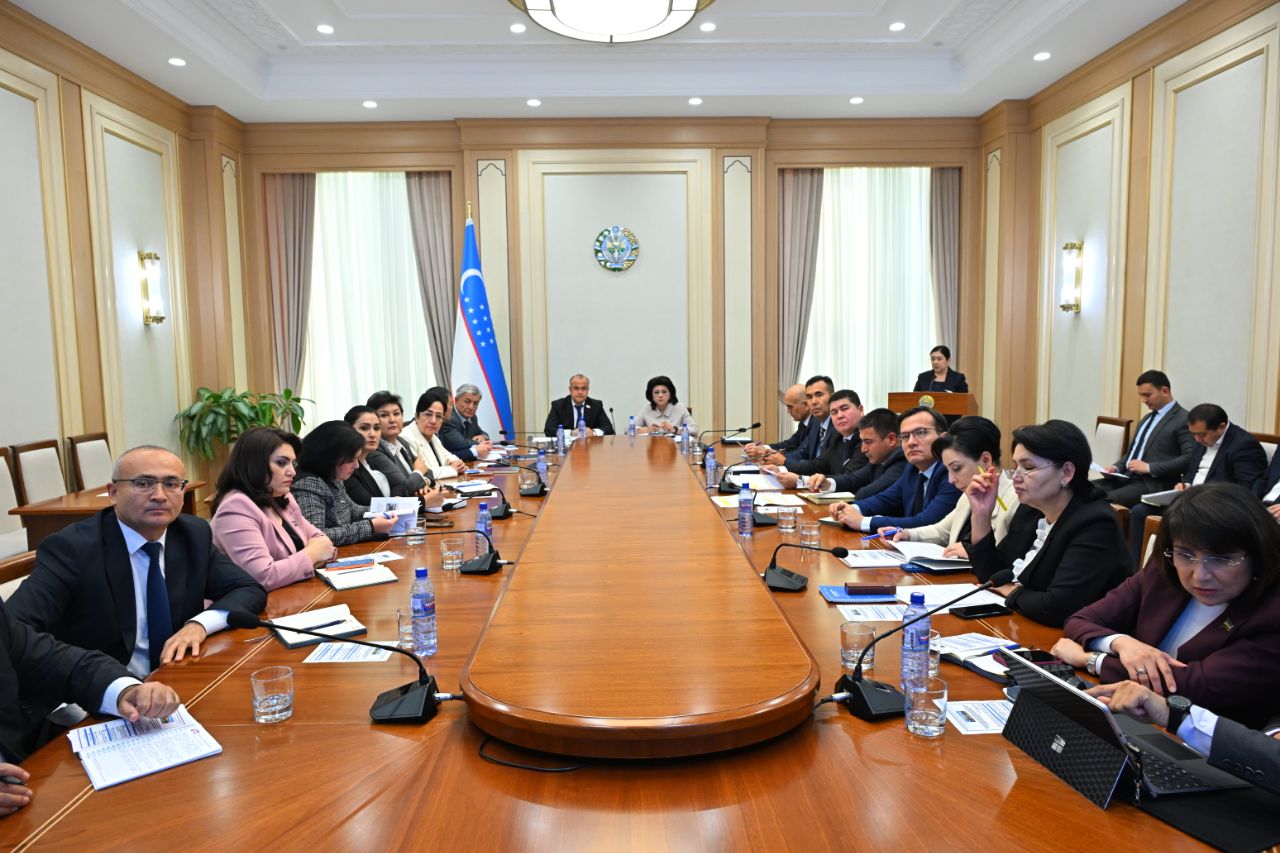


The meeting considered a special report by the Commissioner of the Oliy Majlis for Human Rights (Ombudsman) on the conditions provided for persons with disabilities in higher education institutions, expanding their access to education, and addressing existing challenges in this area.
As was emphasized, ensuring the rights and legitimate interests of persons with disabilities and creating equal opportunities for their active participation in society are among the priorities of state policy. In particular, establishing an inclusive environment in the higher education system and providing the necessary conditions for students to receive quality education and fulfil their professional potential are of great importance.
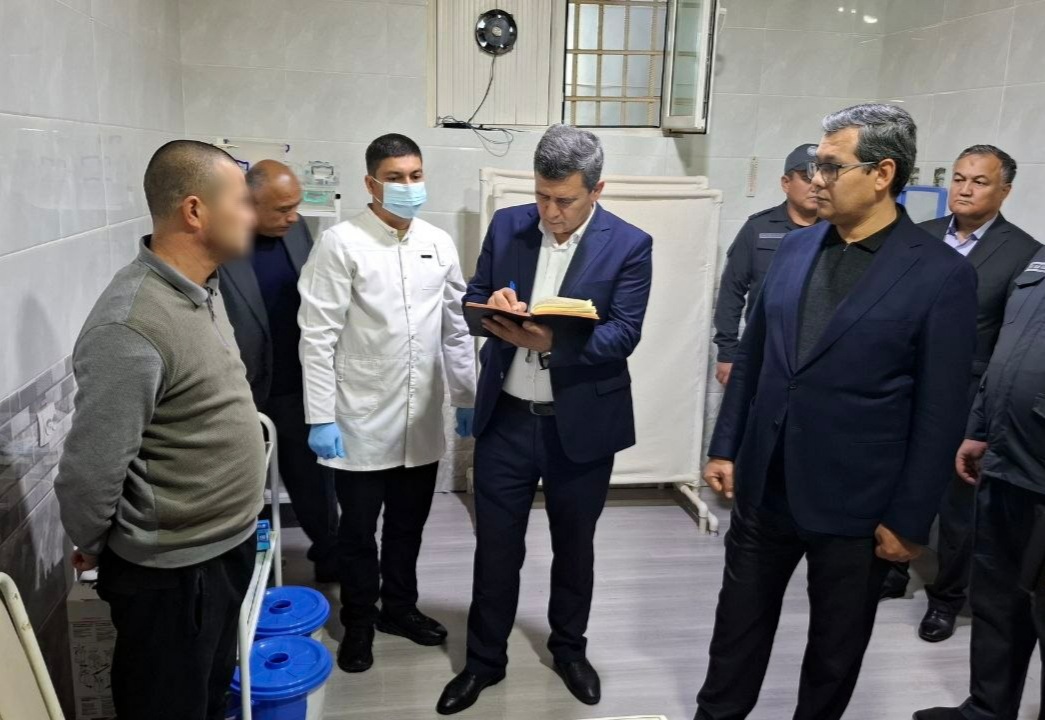
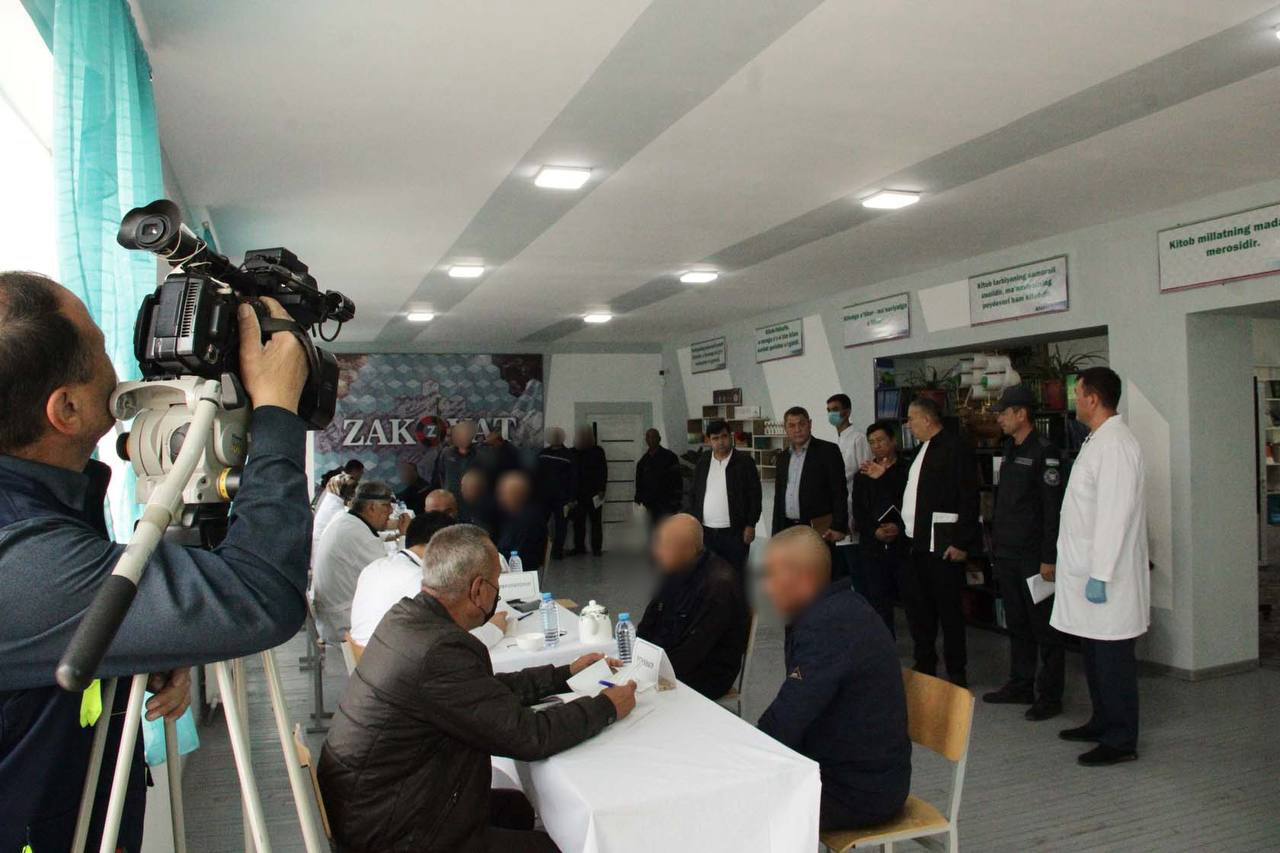
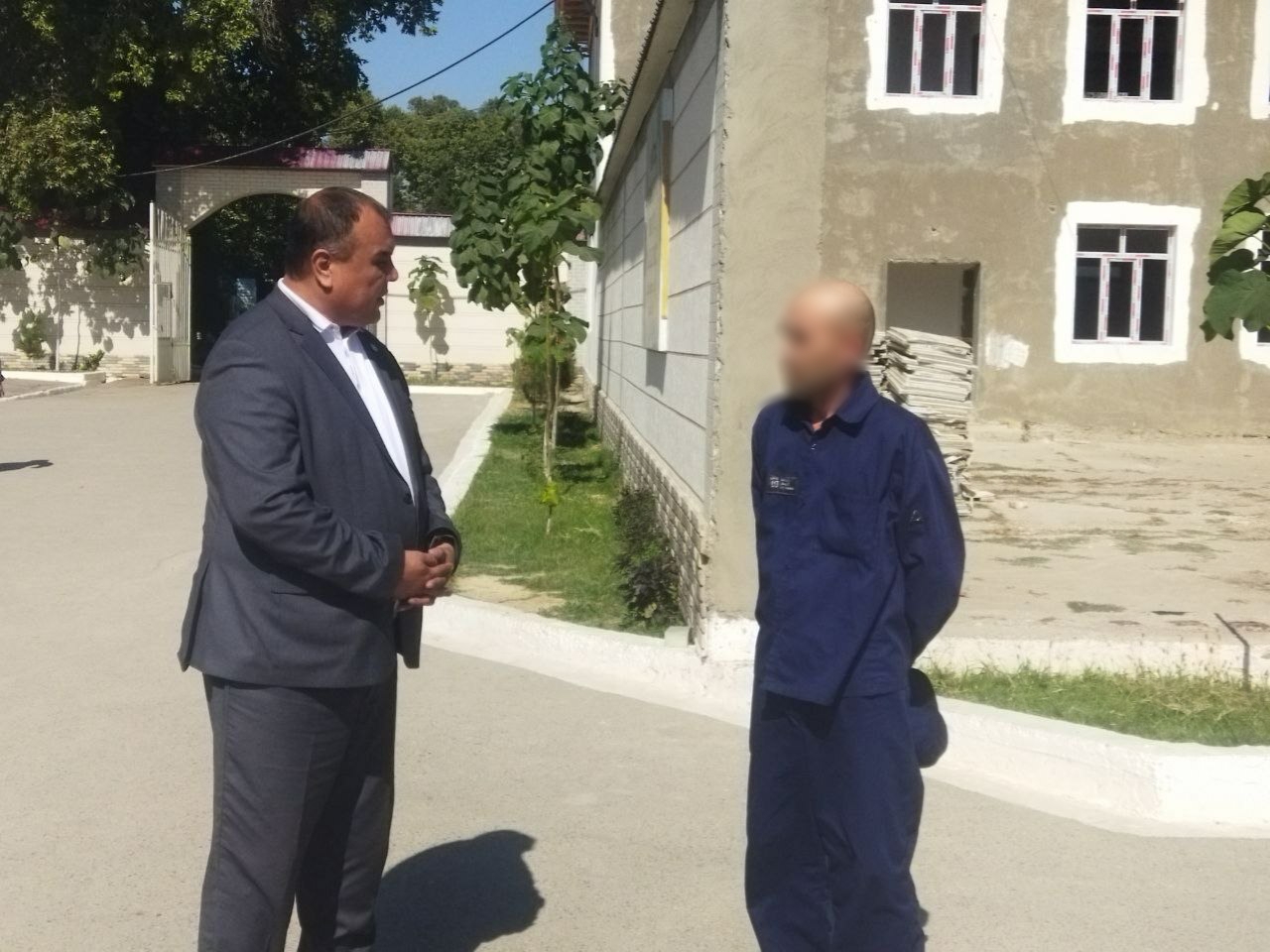
For reference, in July–September 2026, the Ombudsman conducted monitoring visits to 42 higher education institutions across the country. The visits involved representatives of the Ombudsman's Office and its regional representatives, the competent authority in the field of education, the National Agency for Social Protection, sanitary specialists, and representatives of public associations of persons with disabilities.
The monitoring revealed that the buildings and facilities of some higher education institutions had not been fully adapted to the needs of persons with disabilities. In particular, insufficient provision of ramps, elevators, specially equipped sanitary facilities and other accessibility features was identified.
In addition, certain barriers were identified in accessing educational literature and electronic learning resources for students with disabilities. The need to address issues related to the provision of assistive technology and access to support from qualified specialists was also highlighted.
During the discussions, it was emphasized that the assessment of an inclusive environment should not be limited to the availability of infrastructure or the amount of funding allocated. The key criterion should be whether students with disabilities can actually use the facilities and services provided to them fully and independently.
In this regard, the need to address the identified shortcomings, strengthen oversight of the activities of responsible organizations, and develop targeted action plans for each higher education institution was highlighted. Particular emphasis was placed on directly engaging with students with disabilities, taking their views and suggestions into account, and making relevant decisions based on their actual needs.
Following the meeting, the committees adopted a joint resolution aimed at improving the quality of inclusive education in higher education institutions, upgrading existing infrastructure, gradually removing barriers to education, and strengthening cooperation in this area.
Press Service of the Commissioner of Oliy Majlis for Human Rights (Ombudsman)