



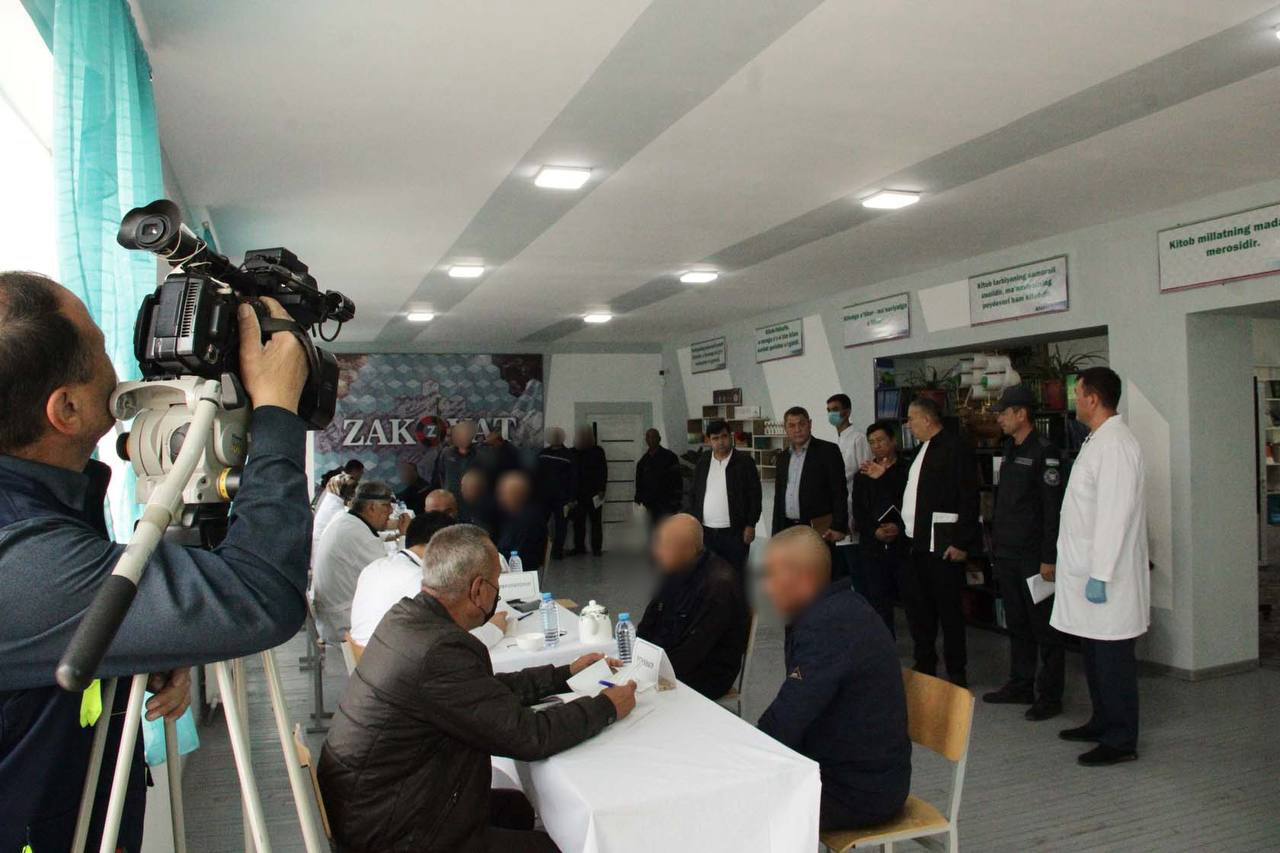
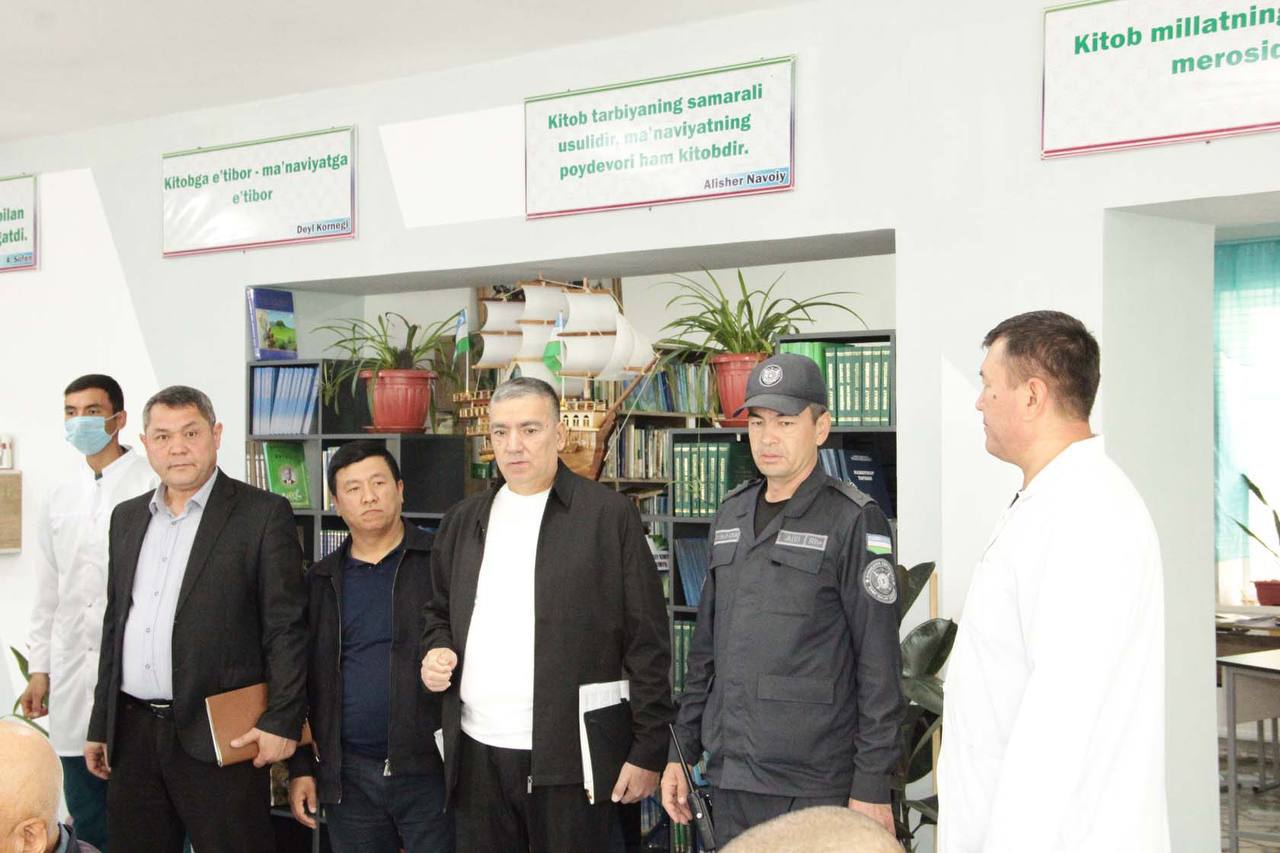
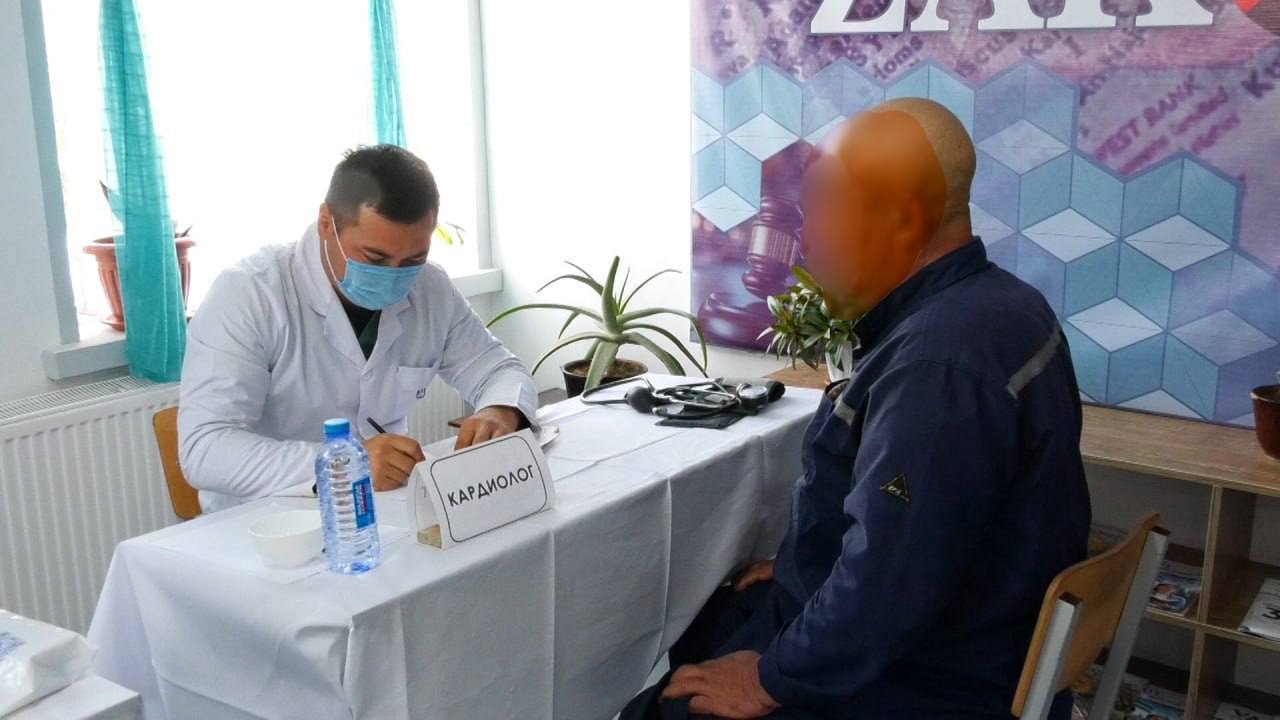
As part of the visit, an in-depth medical examination of inmates, an open dialogue under the “Ombudsman School” project, and an on-site reception were organised.
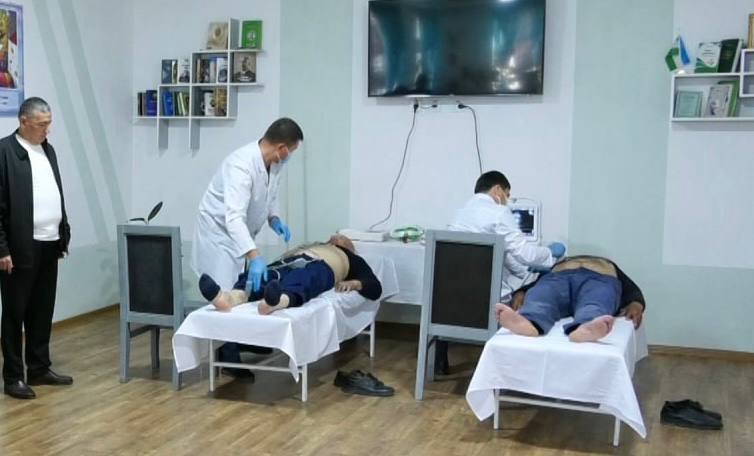
In particular, specialists in various medical fields, including a cardiologist, neurologist, psychiatrist, ophthalmologist, otorhinolaryngologist, endocrinologist and surgeon, were engaged to assess the health conditions of the inmates. Ultrasound examinations and electrocardiograms (ECGs) were also performed.
According to the information provided, a total of 376 inmates underwent medical examinations as part of the initiative. On 23 October, ECG examinations were additionally conducted for 200 inmates. Based on the examination results, some inmates were advised to undergo further treatment, including receiving medical care at specialised healthcare facilities and undergoing scheduled surgical procedures.
During the visit, an open dialogue was also held under the “Ombudsman School” project, with the participation of more than 300 inmates. The event was attended by the Regional Representative of the Ombudsman, representatives of the Pop District Department of Justice, the district office of the Youth Affairs Agency, and the Pop District Bureau of the “Madad” Legal Advice Centre.
During the dialogue, inmates were provided with explanations regarding their rights and legitimate interests, legal safeguards during the period of serving their sentences, as well as the social, medical and financial support measures provided by the state following their release. Information was also provided on the procedure for probation supervision and the respective rights and obligations of persons subject to such supervision.
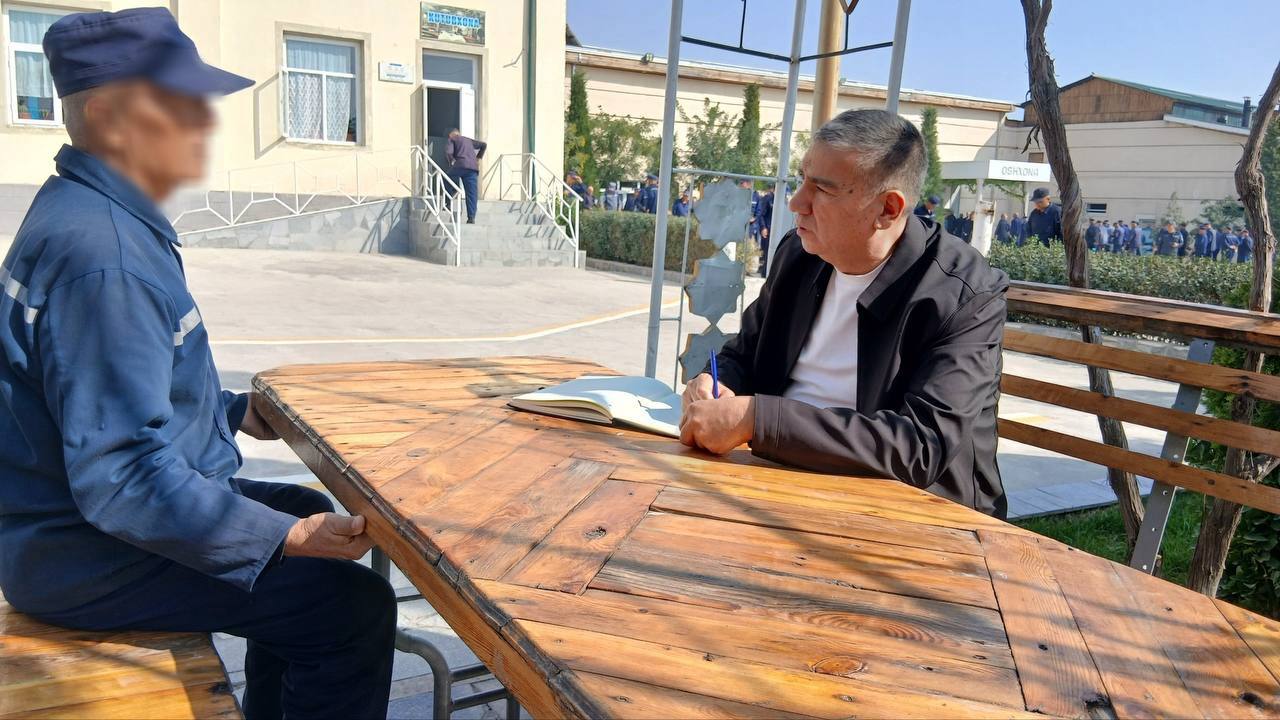
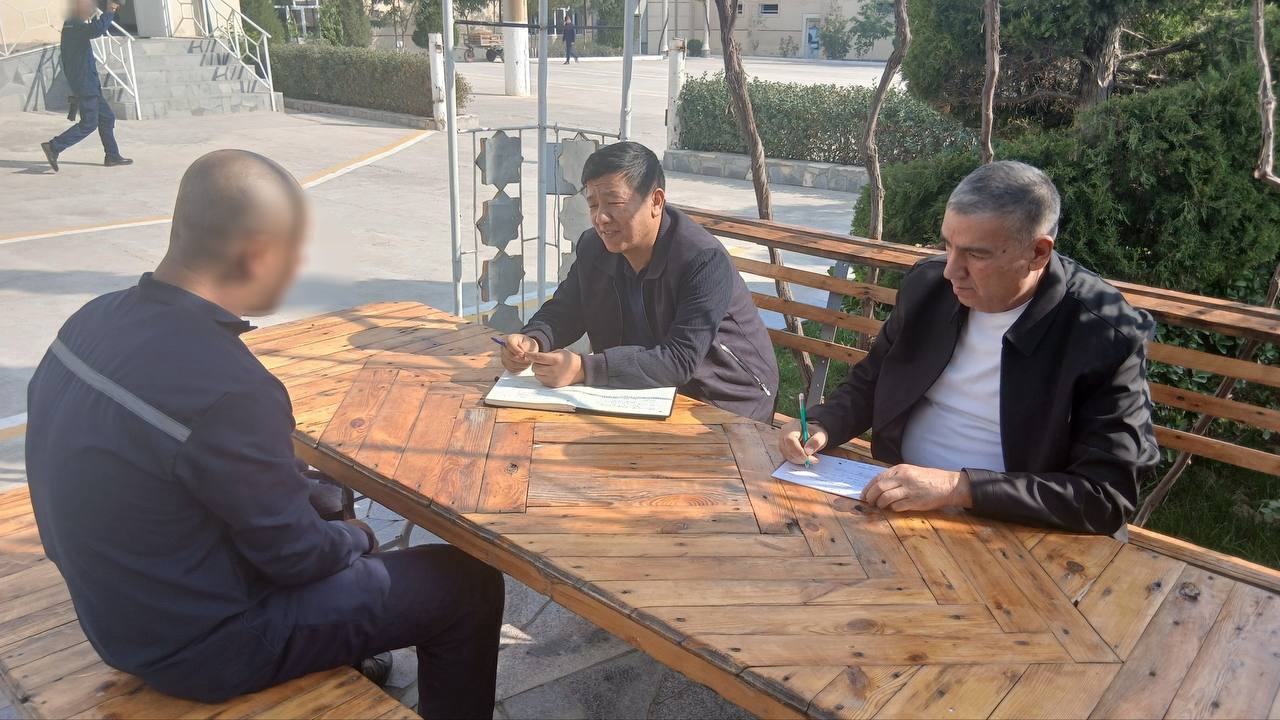
As part of the event, an on-site reception was held, during which appeals from more than 20 inmates were heard. The appeals primarily concerned court decisions, family-related matters and other legal issues. Legal explanations were provided on some of the issues directly at the facility, while appeals requiring further examination are to be referred to the competent authorities.
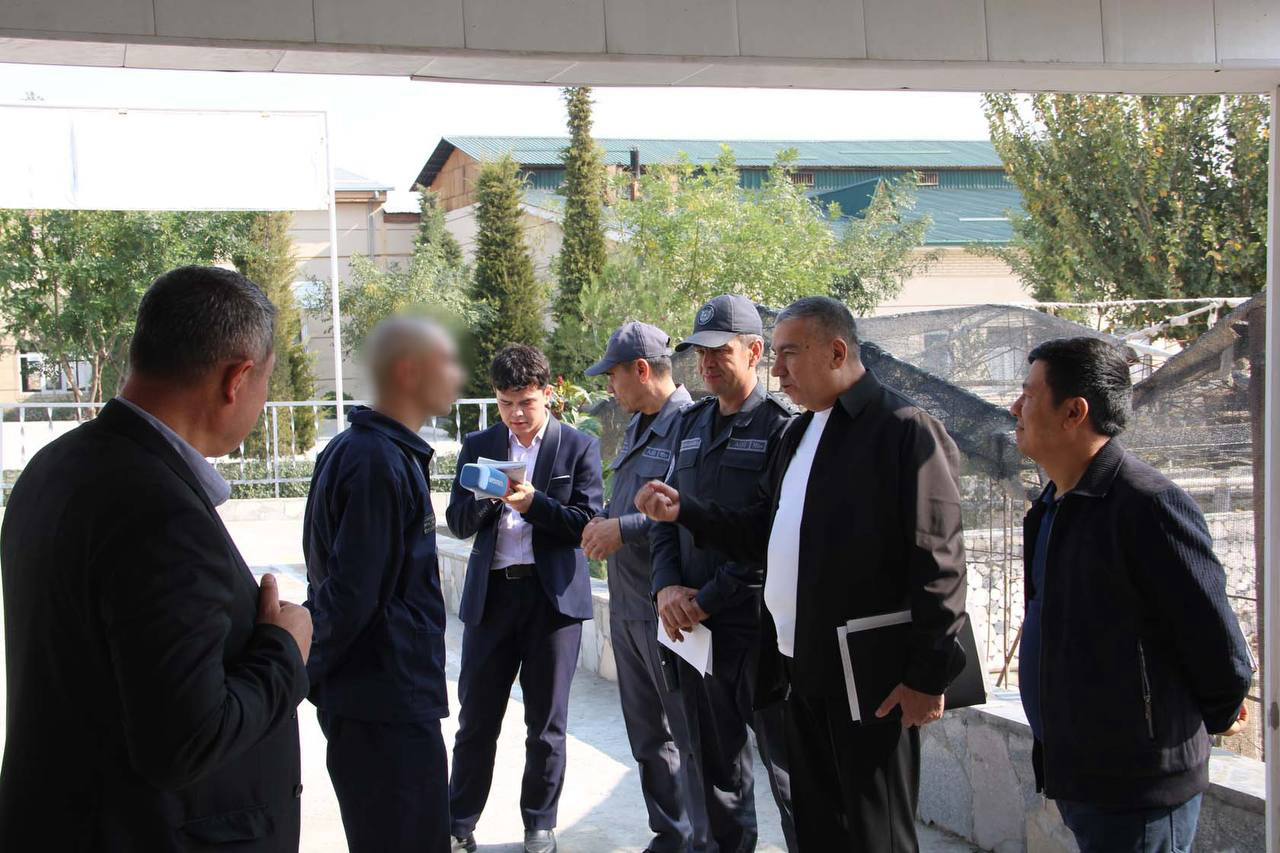
The monitoring visit also covered the inmates’ living conditions, the organisation of medical services and opportunities for vocational training. In addition, group discussions were held with more than 270 inmates across the facility's units, and applications and complaints submitted to the Ombudsman’s boxes were collected. Individual meetings were also organised with inmates who had submitted appeals, during which the issues they raised were examined.





