
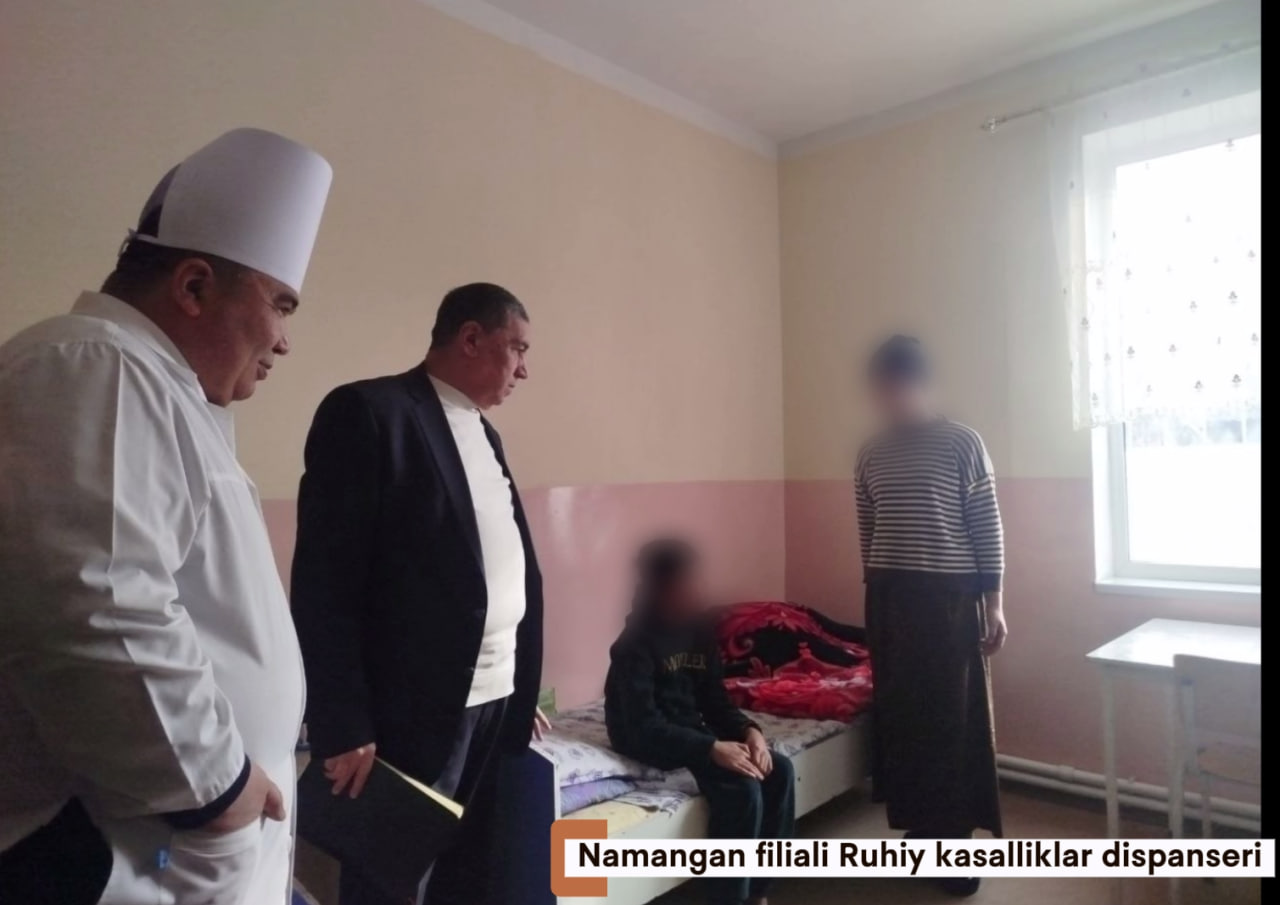
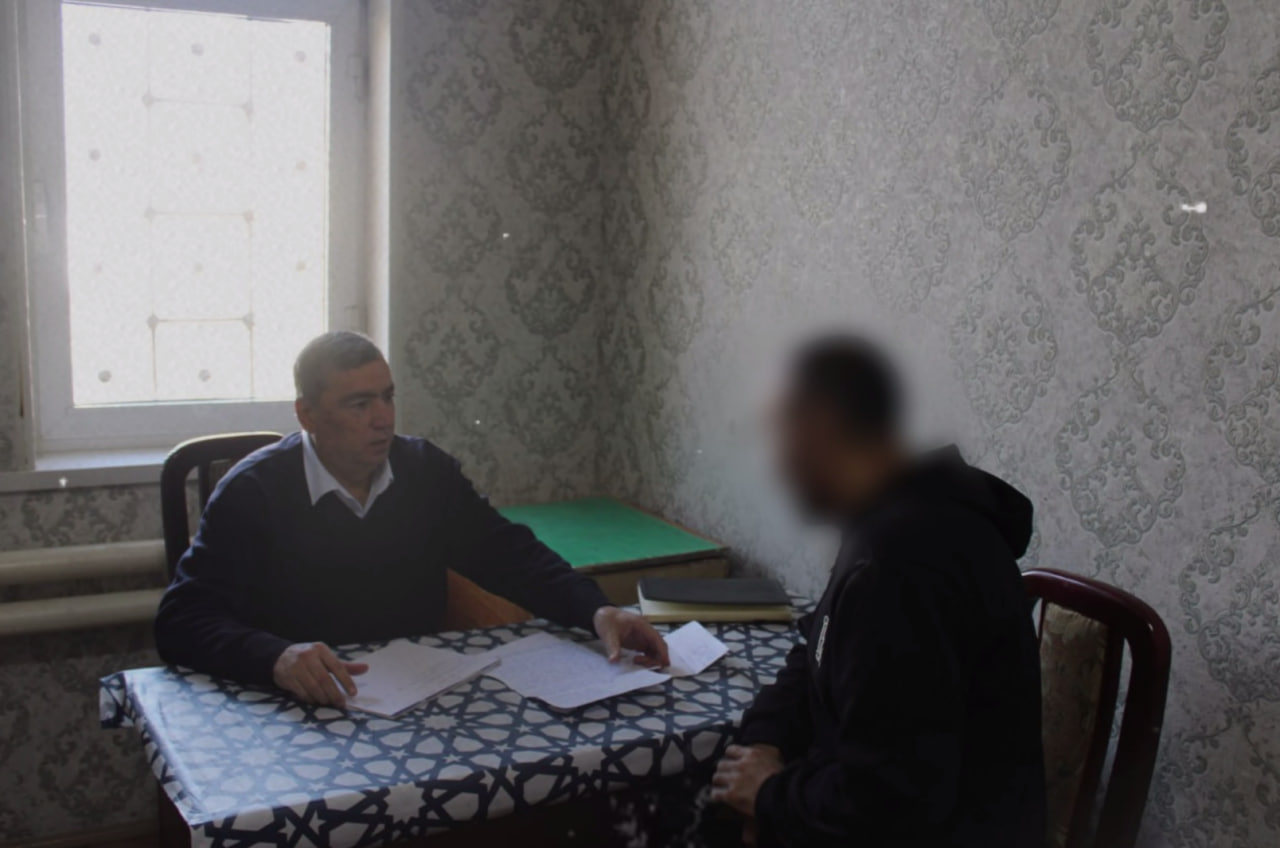
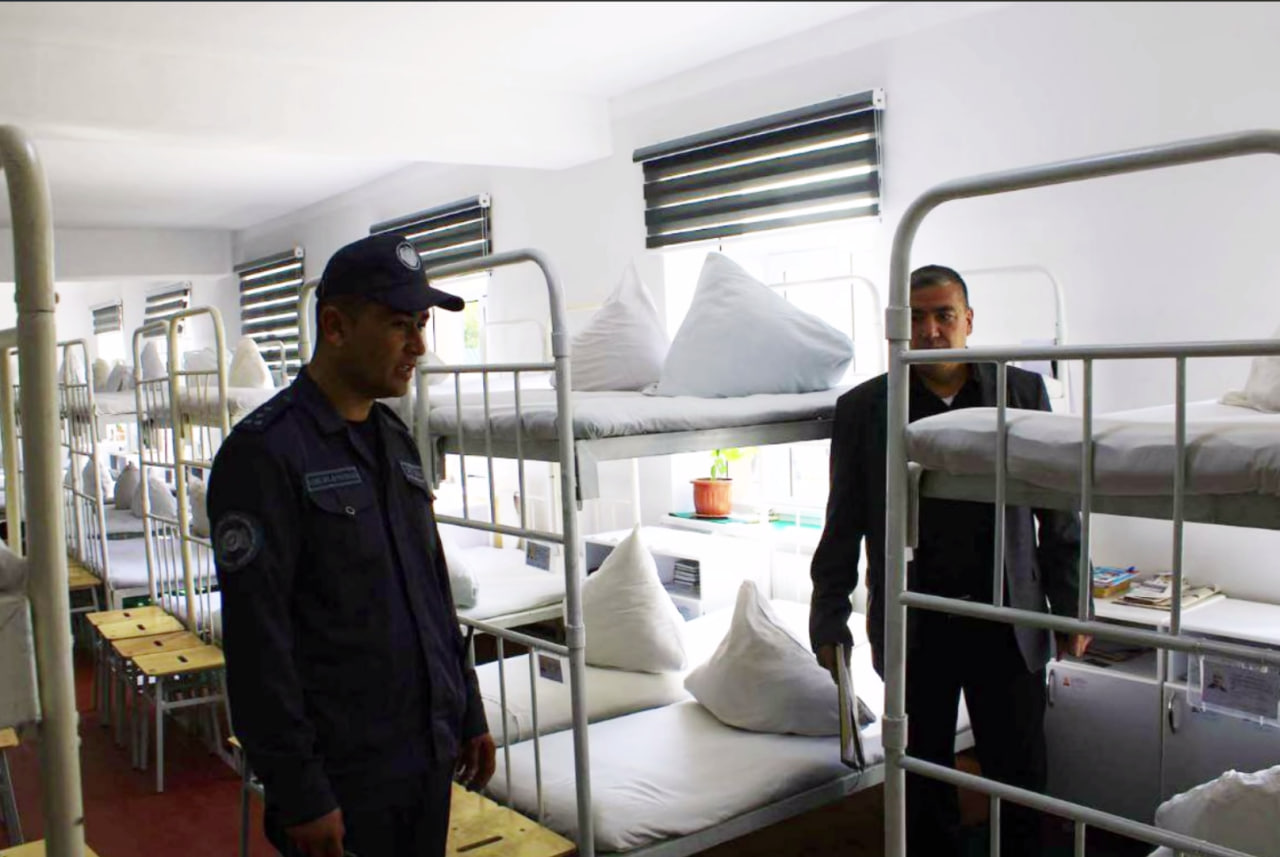
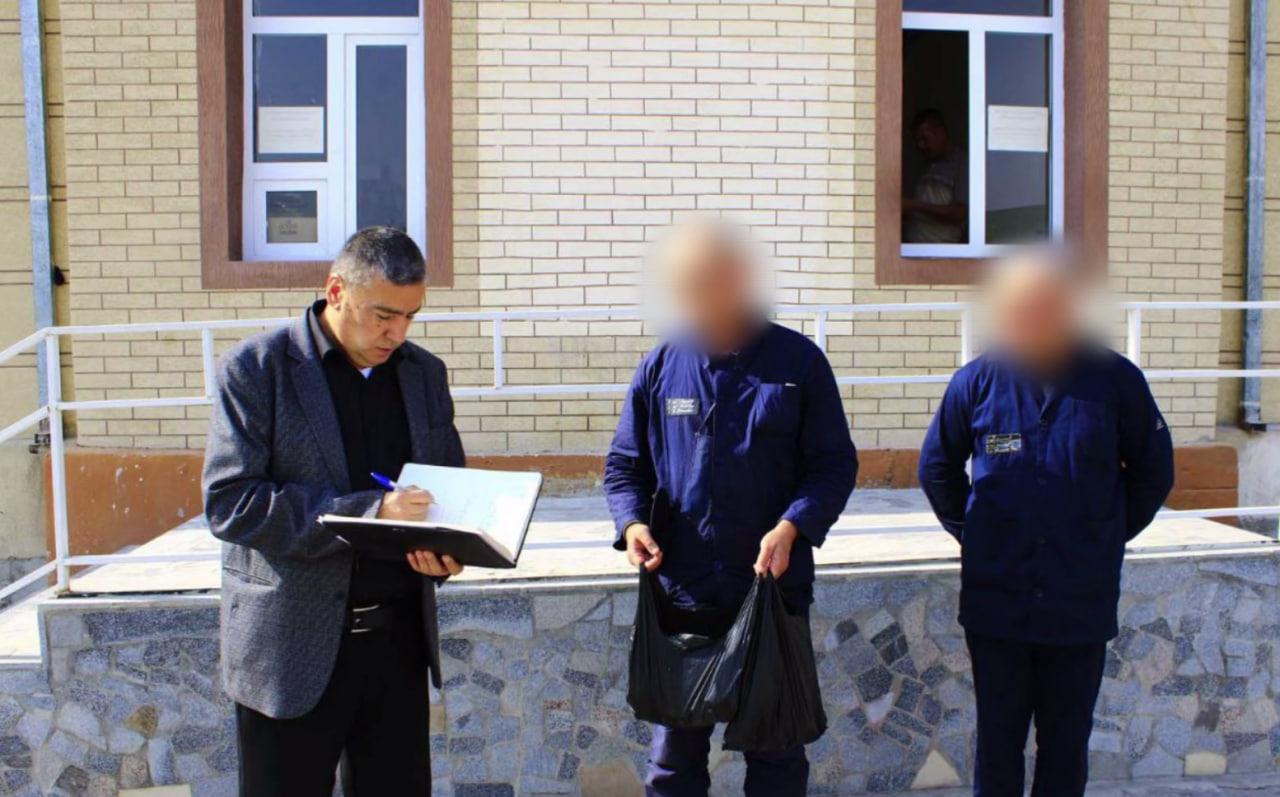
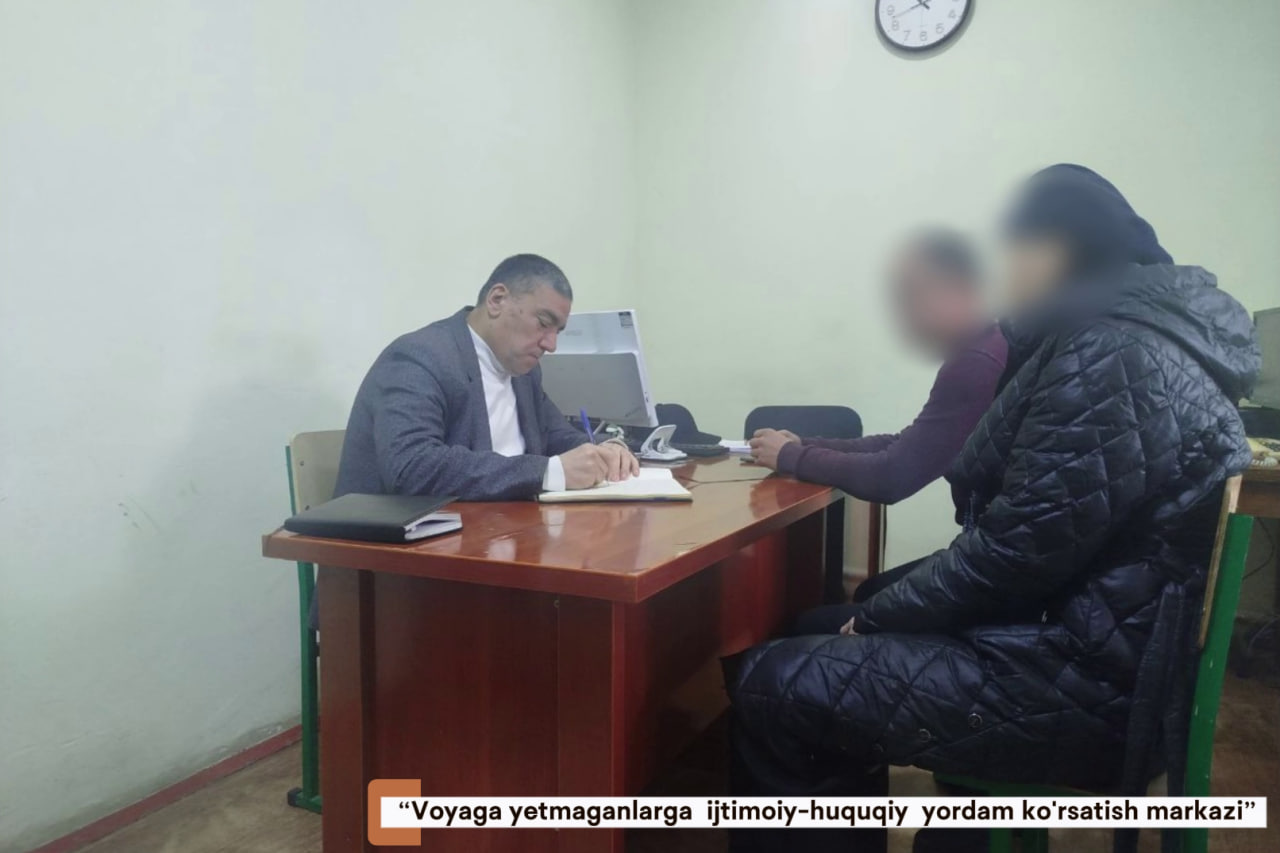
During the visits, the observance of the rights of persons held in closed institutions was examined, including living conditions, nutrition, access to medical services, engagement in labor, meetings with close relatives, and the right to submit appeals. Detention cells and residential premises were inspected, along with sanitary conditions, video surveillance systems, arrangements for meetings with lawyers, and procedures for receiving mail and parcels.
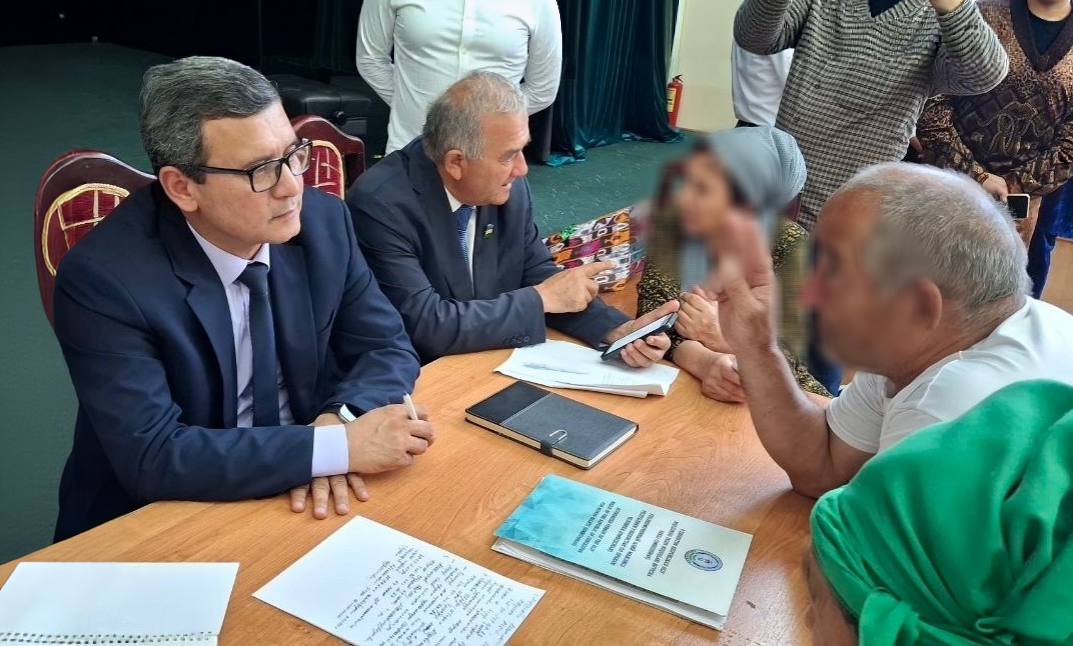
In addition, “Ombudsman Boxes” installed in these institutions were checked and appeals were received. Mobile receptions were also organized for convicts and detainees, during which confidential meetings were held.
Based on appeals submitted by convicts held in Penal Colony No. 6, and in cooperation with the Migration and Citizenship Registration Department, ID cards were issued to 30 convicts and handed over to their holders.
Certificates were also awarded to 39 convicts who completed training courses in “Production of folk handicraft items from wood,” “Manufacture of metal products,” and “Production of printed fabrics and sewn goods.”
During the monitoring visit to the sobering-up station in Pop district, it was established that repair works are being carried out in accordance with the recommendations made during previous monitoring activities.
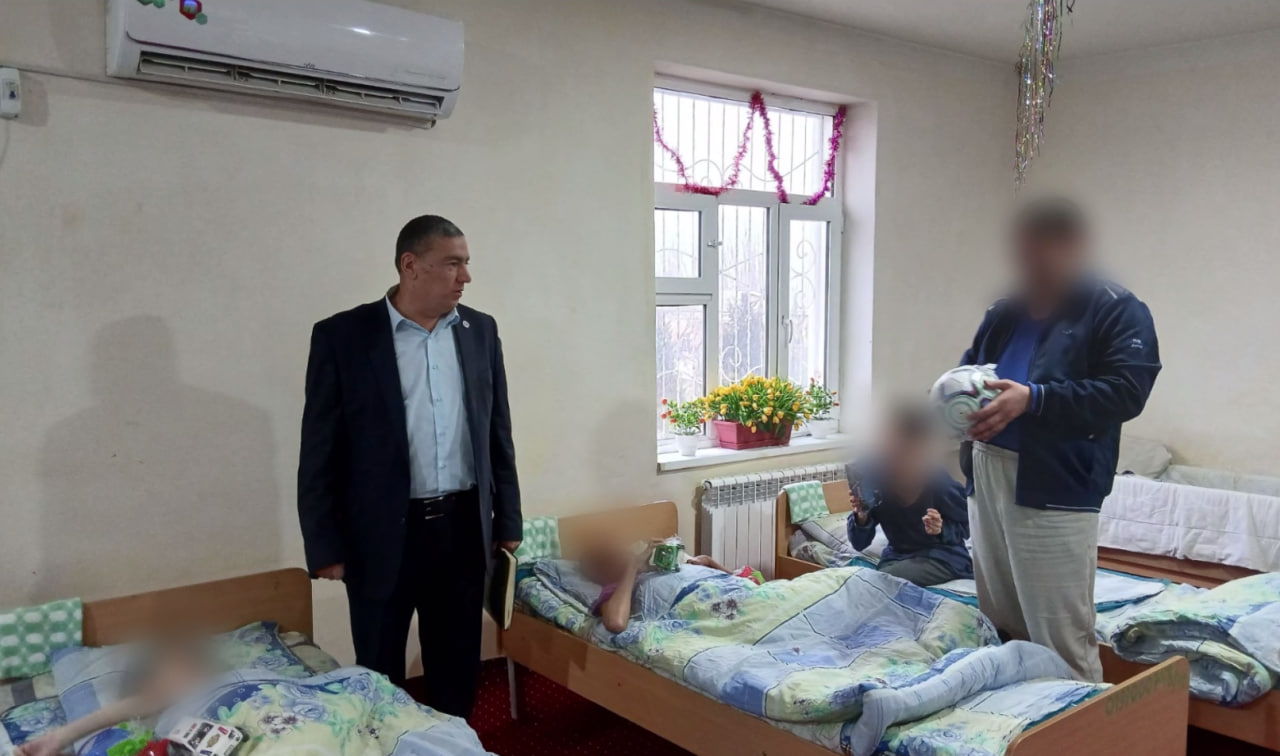
On the occasion of the New Year holiday, gifts were presented to persons with disabilities residing in the “Muruvvat” men’s residential care institution in Pop district.
It should be recalled that, following monitoring visits aimed at the prevention of torture, analytical materials prepared by the Ombudsman, including shortcomings identified during the monitoring, are submitted to the chambers of the Oliy Majlis.
Press Service of the Commissioner of the Oliy Majlis for Human Rights (Ombudsman)