
Under Part Two of Article 288 of the current Code on Administrative Liability, a person who has violated the border regime or the regime at checkpoints across the State Border may, where it is necessary to establish the offender’s identity and the circumstances of the offence, be detained for up to three days, subject to written notification of the prosecutor, or, where the person has no identity documents, for up to ten days with the prosecutor’s authorization.
At the same time, Part Three of Article 27 of the Constitution expressly provides that a person may not be detained for more than 48 hours without a court decision. This constitutes an important constitutional safeguard aimed at ensuring the right to liberty and inviolability of the person.
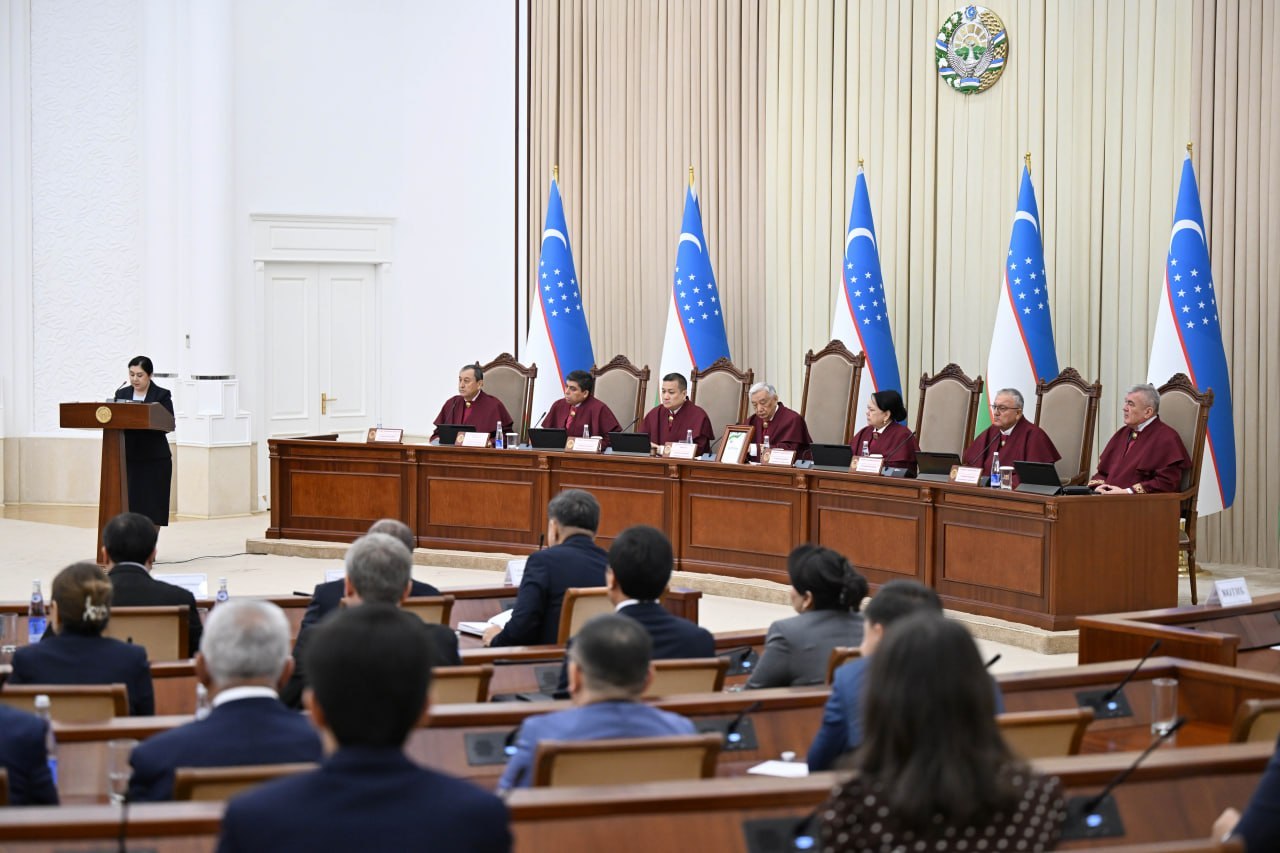
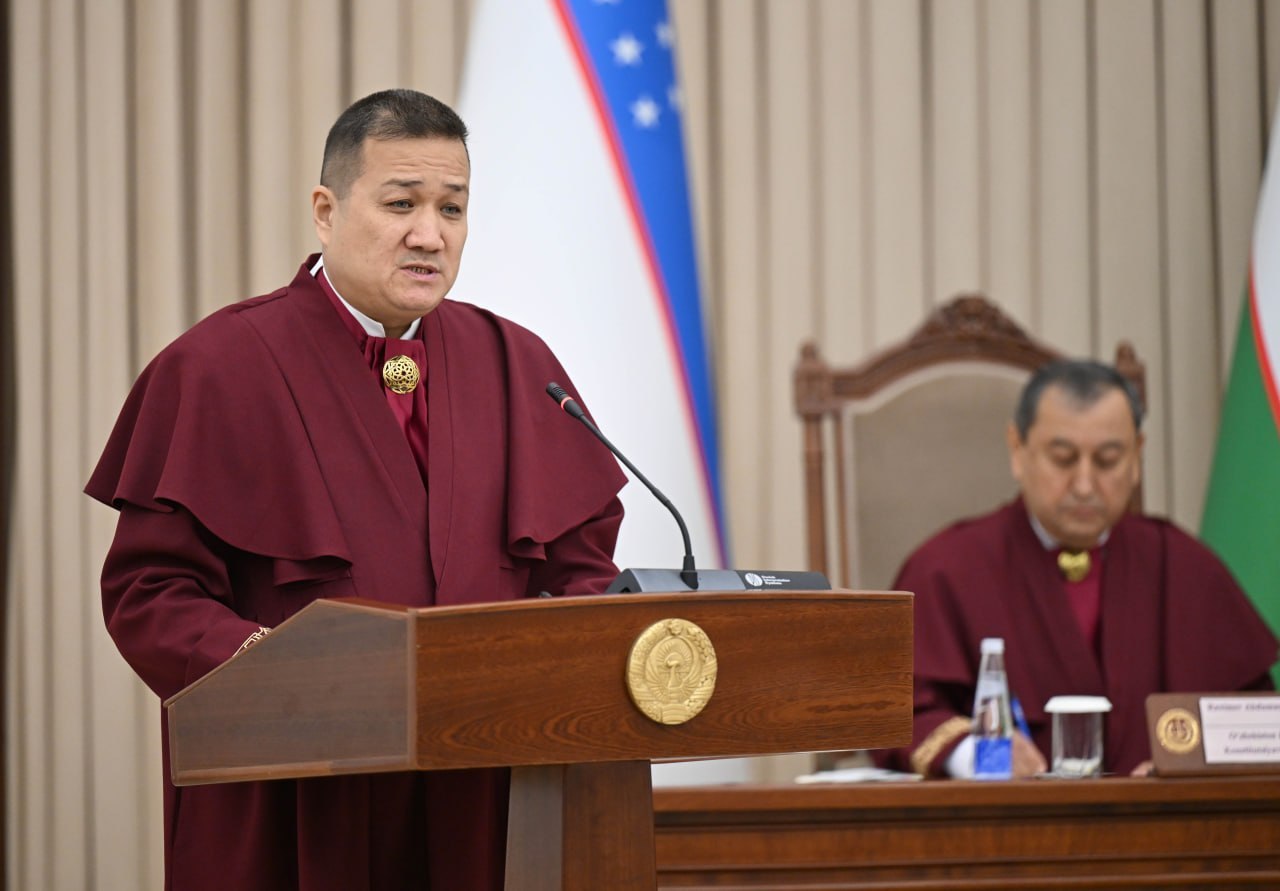
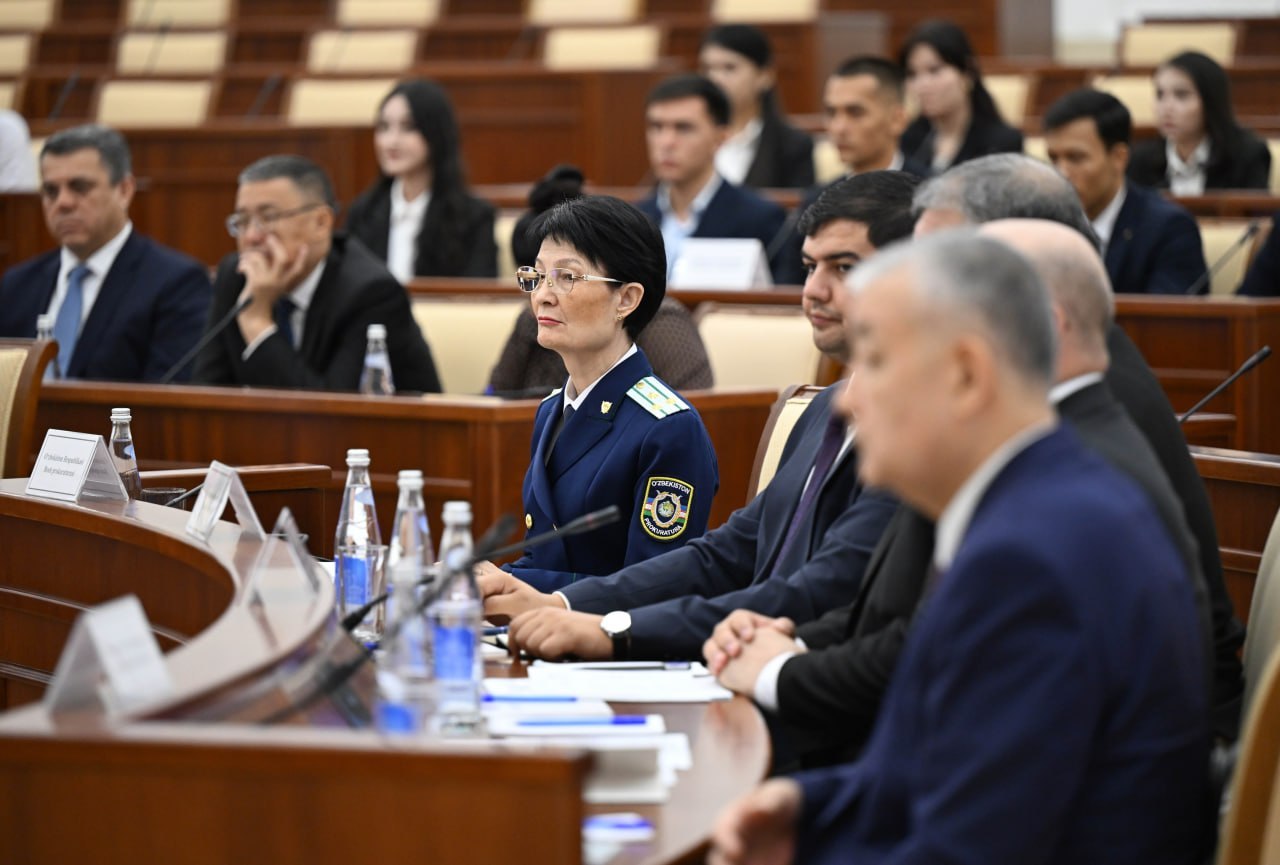
On 22 September 2026, the Constitutional Court considered the matter and noted that the administrative detention periods of up to three days and up to ten days provided for in Part Two of Article 288 of the Code on Administrative Liability exceed the 48-hour limit established by the Constitution, and that no mechanism is provided for obtaining a court decision authorising detention for such periods.
Following its consideration, the Constitutional Court concluded that detaining a person for more than 48 hours without a court decision is contrary to the safeguards established by Part Three of Article 27 of the Constitution.
Accordingly, the provision of Part Two of Article 288 of the Code on Administrative Liability allowing persons to be detained for up to three days and, where they have no identity documents, for up to ten days with the prosecutor’s authorization, was found to be inconsistent with the Constitution of the Republic of Uzbekistan.
The Constitutional Court’s decision also placed particular emphasis on another important point: notifying the prosecutor or obtaining the prosecutor’s authorization for detention exceeding 48 hours does not substitute for a court decision.
Press Service of the Commissioner of the Oliy Majlis for Human Rights (Ombudsman)