
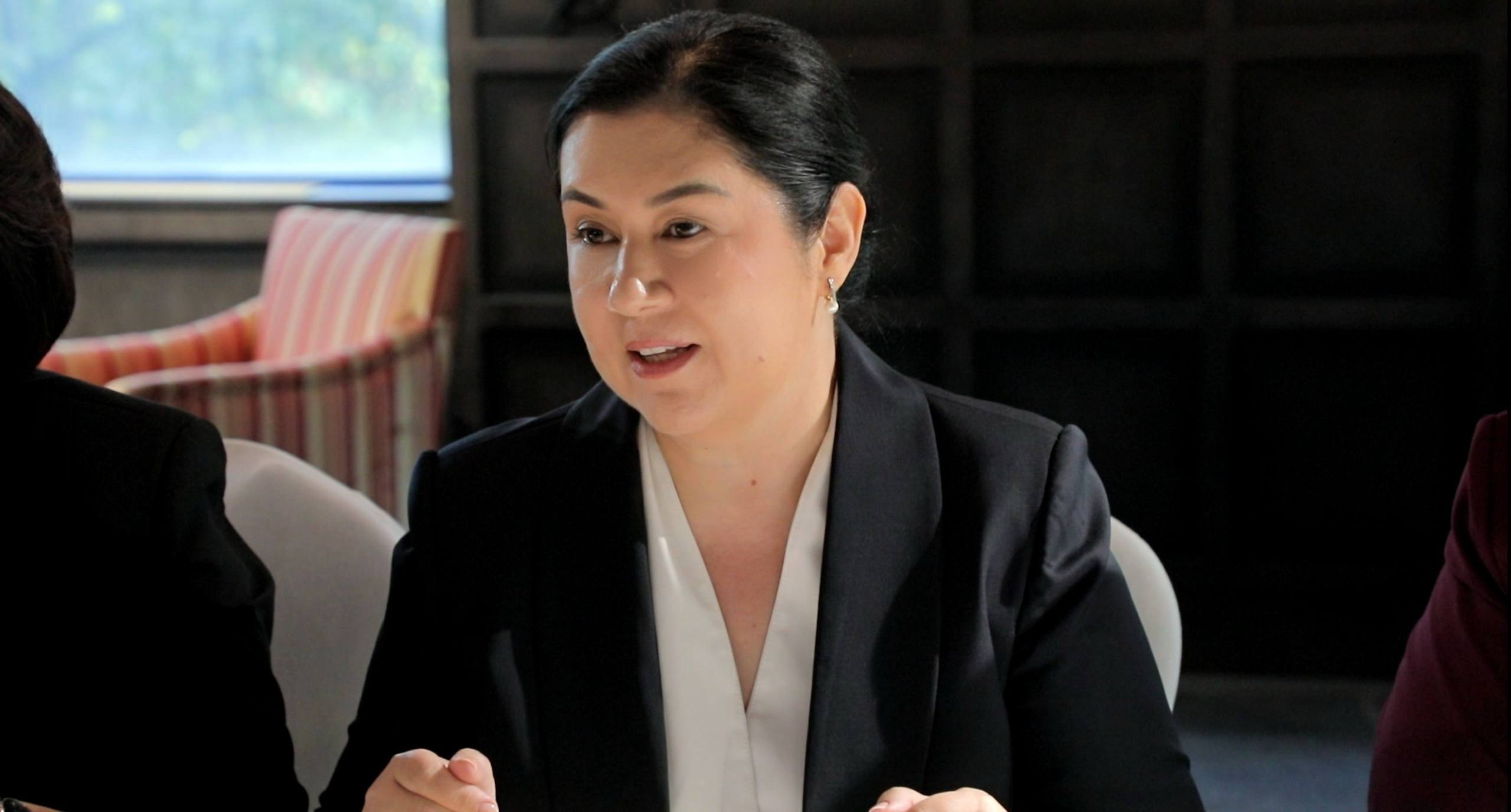
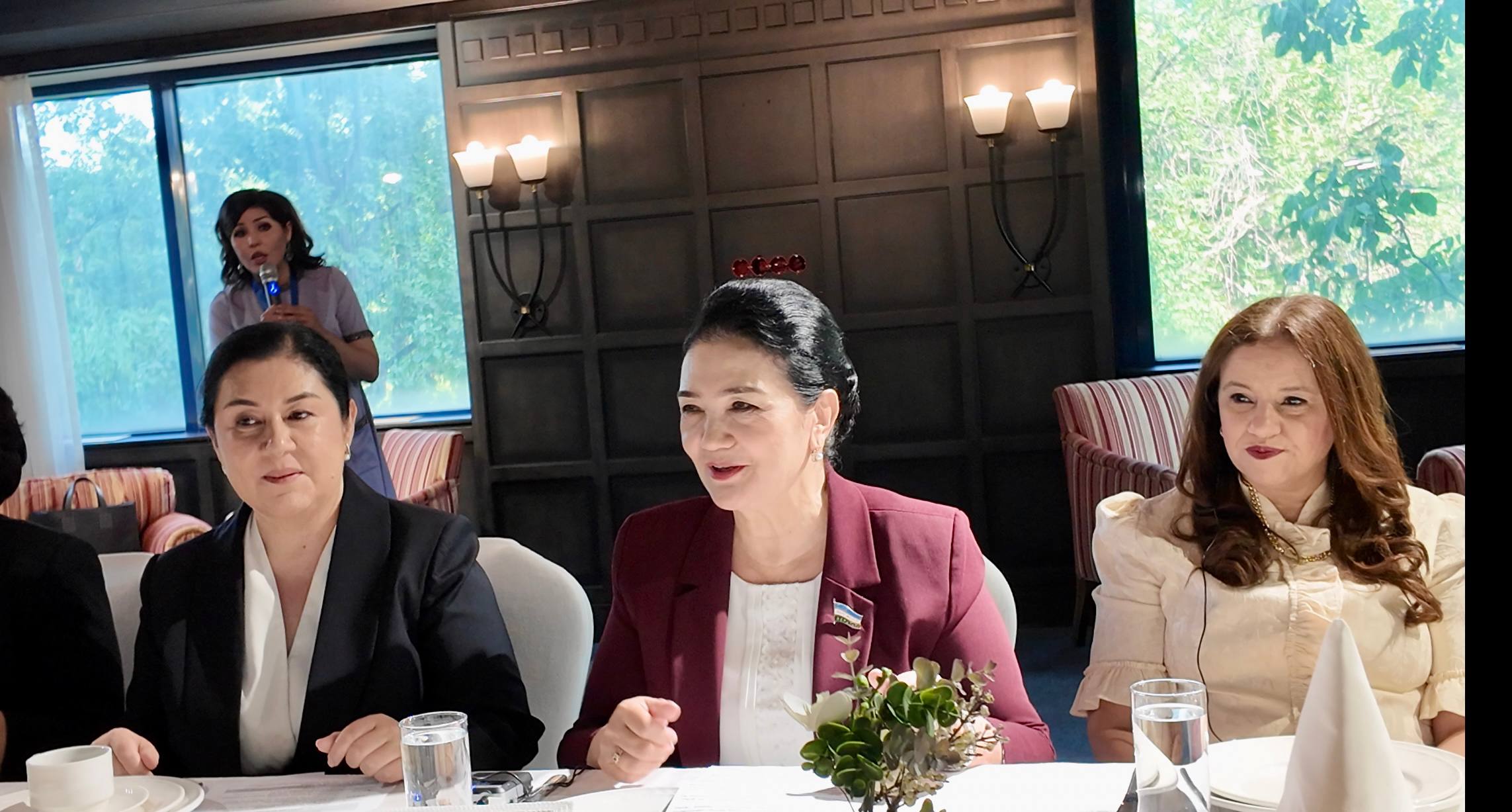

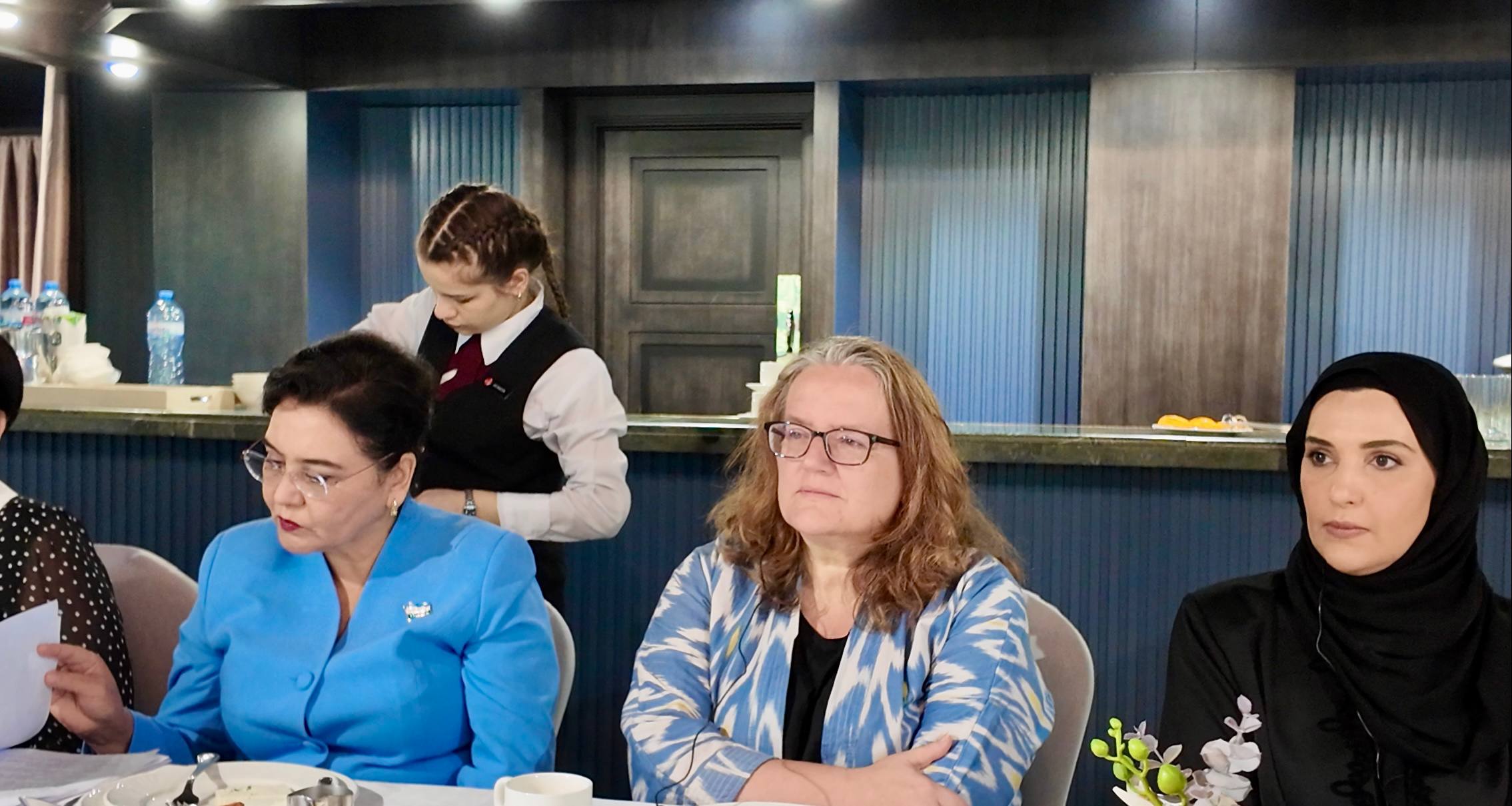
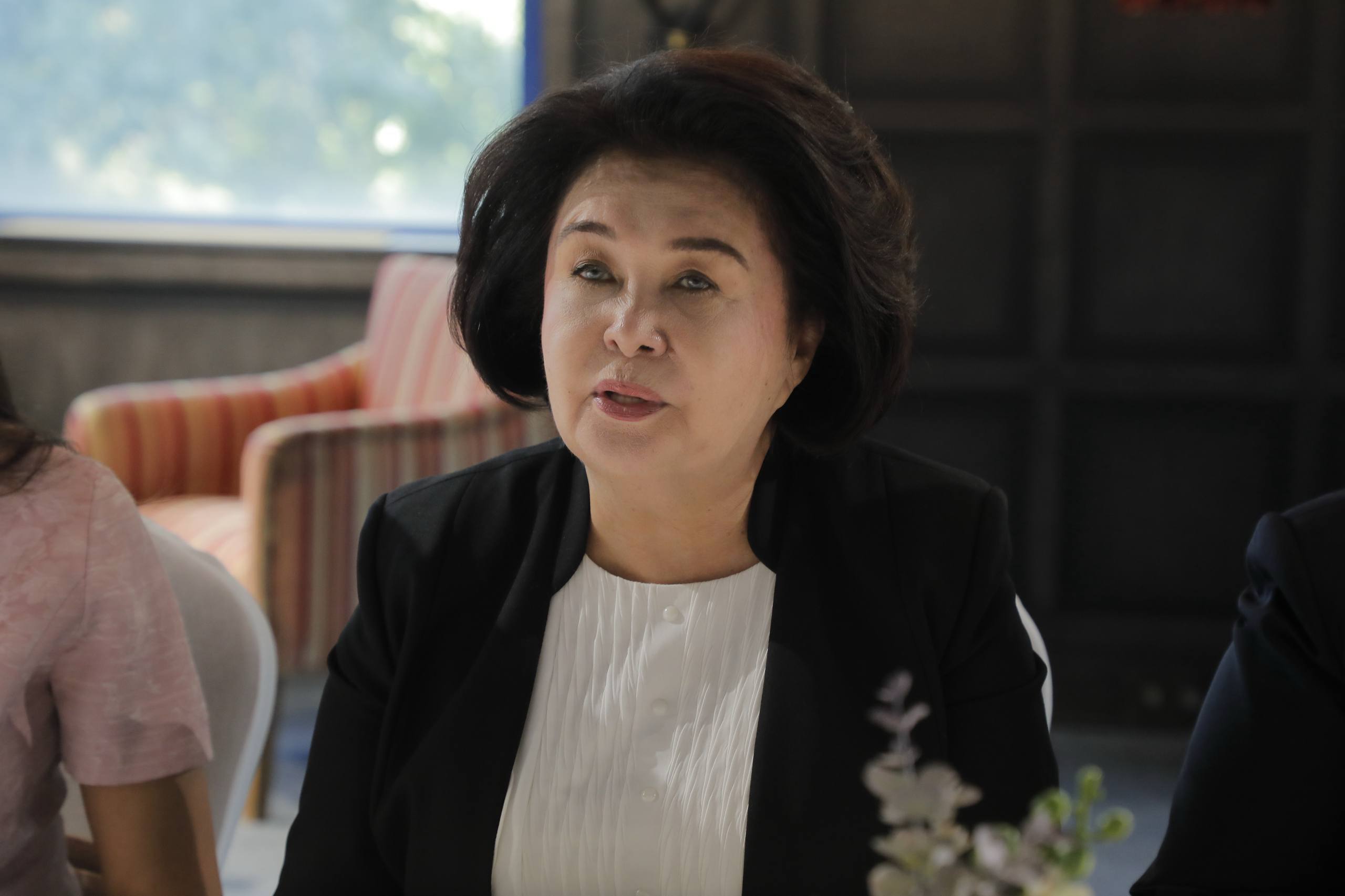
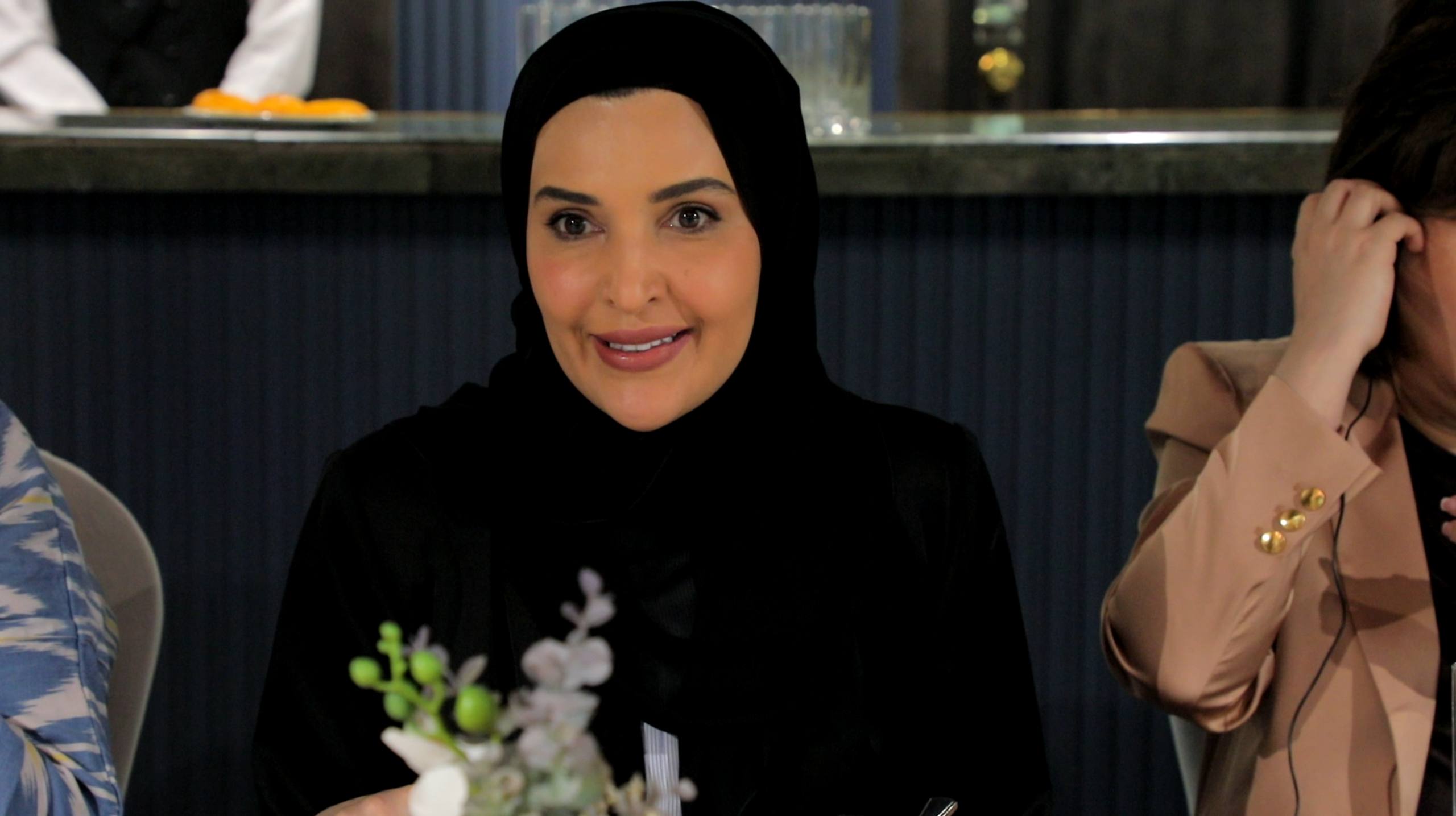
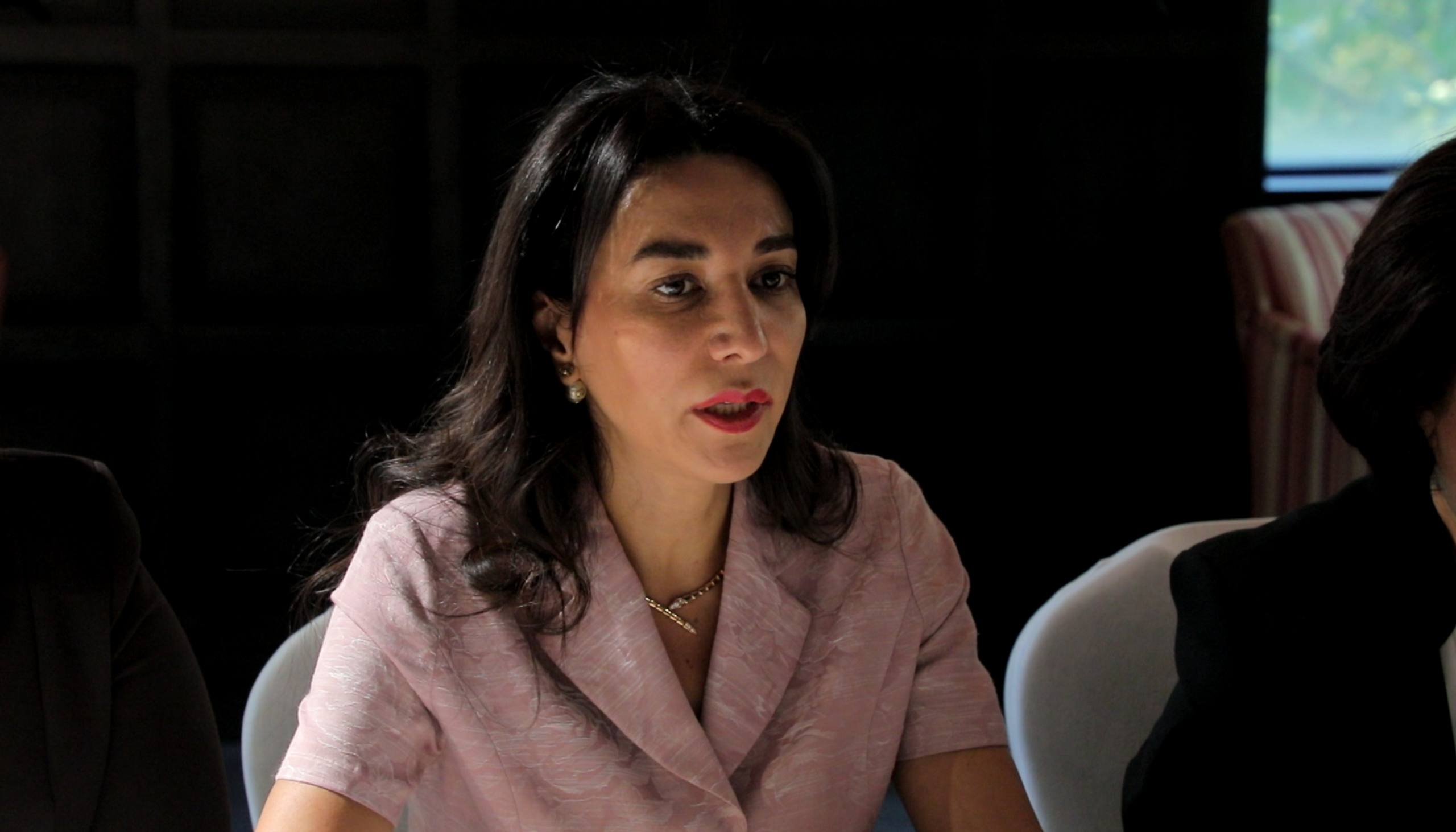
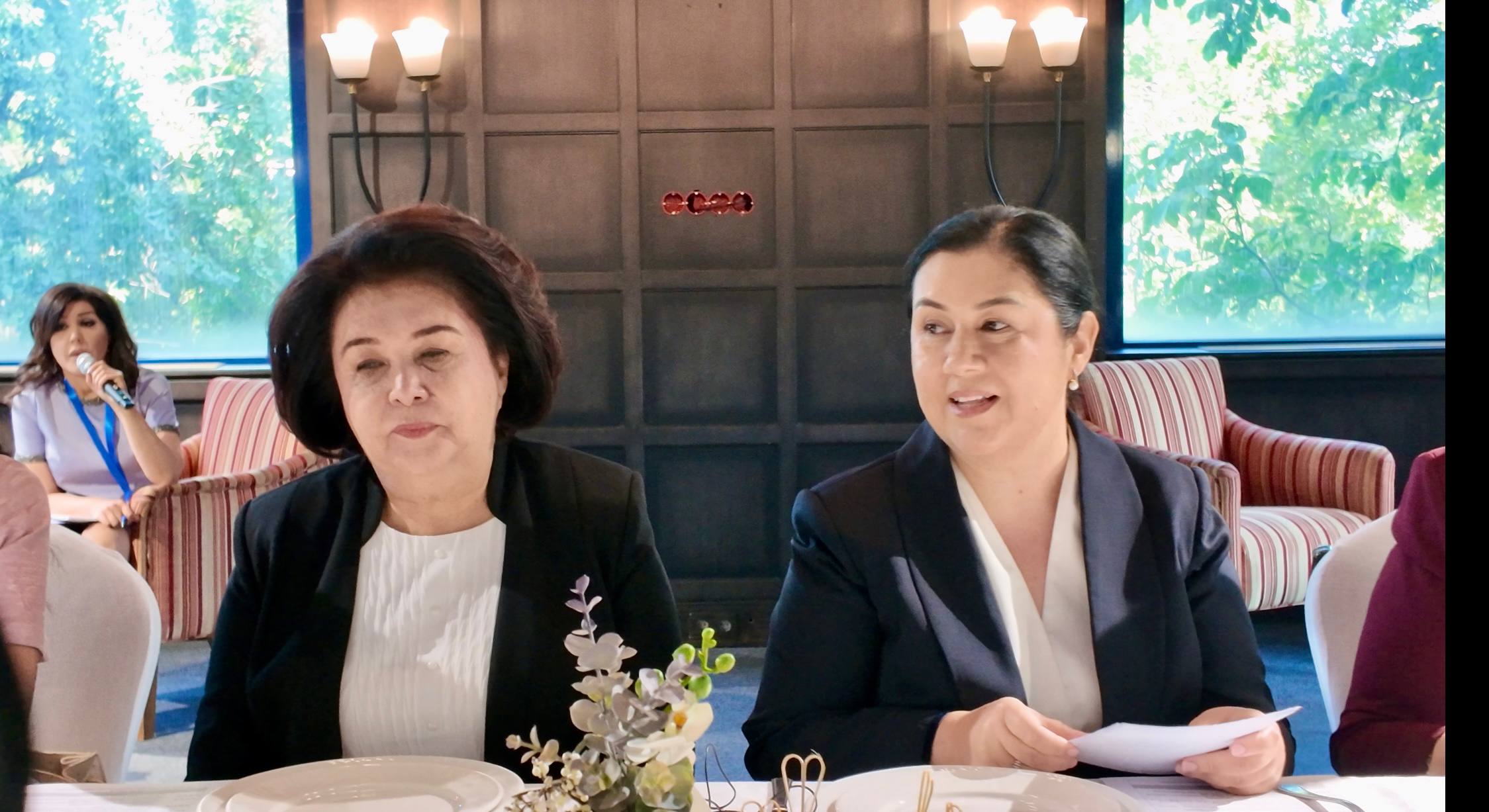
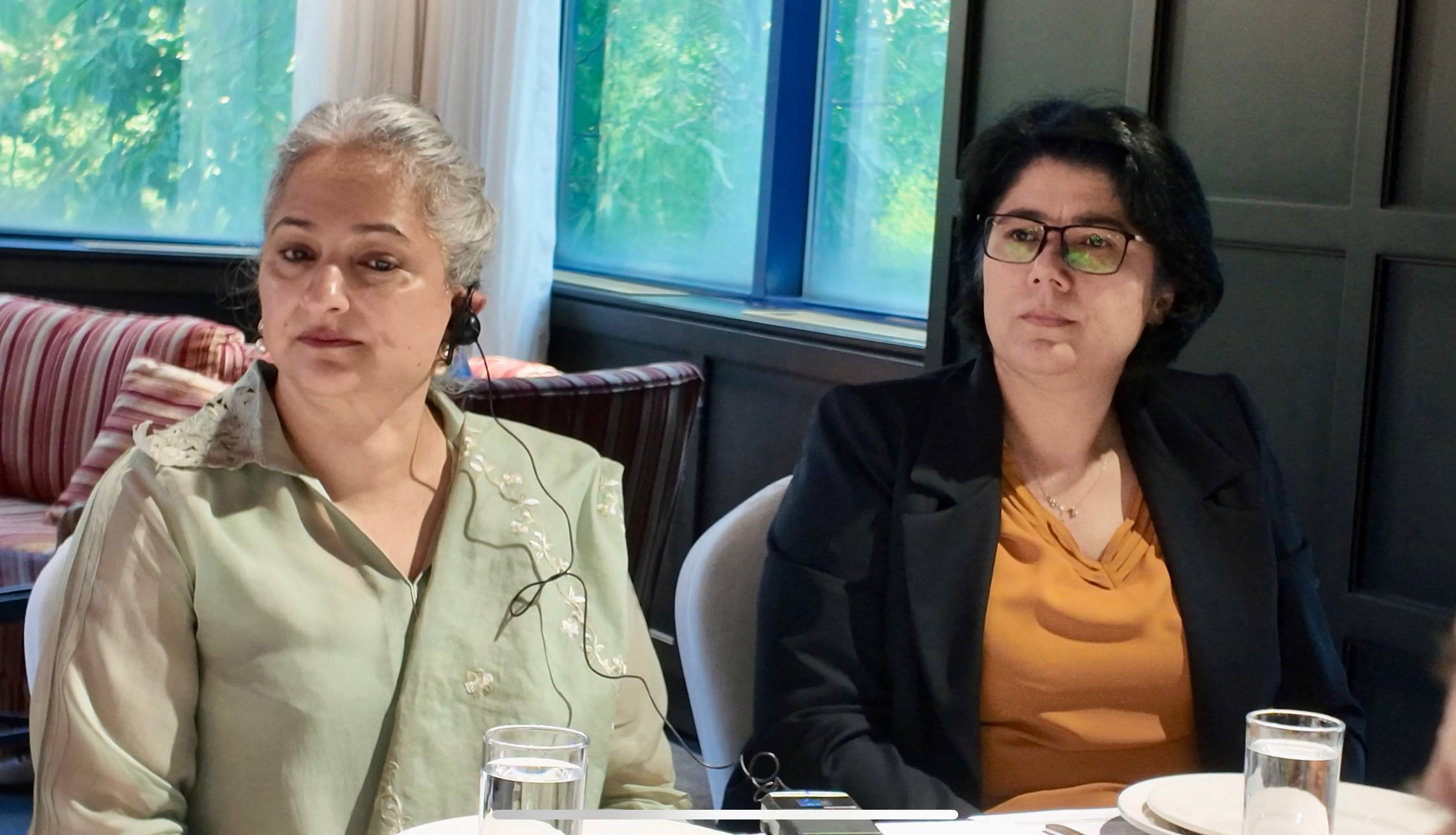
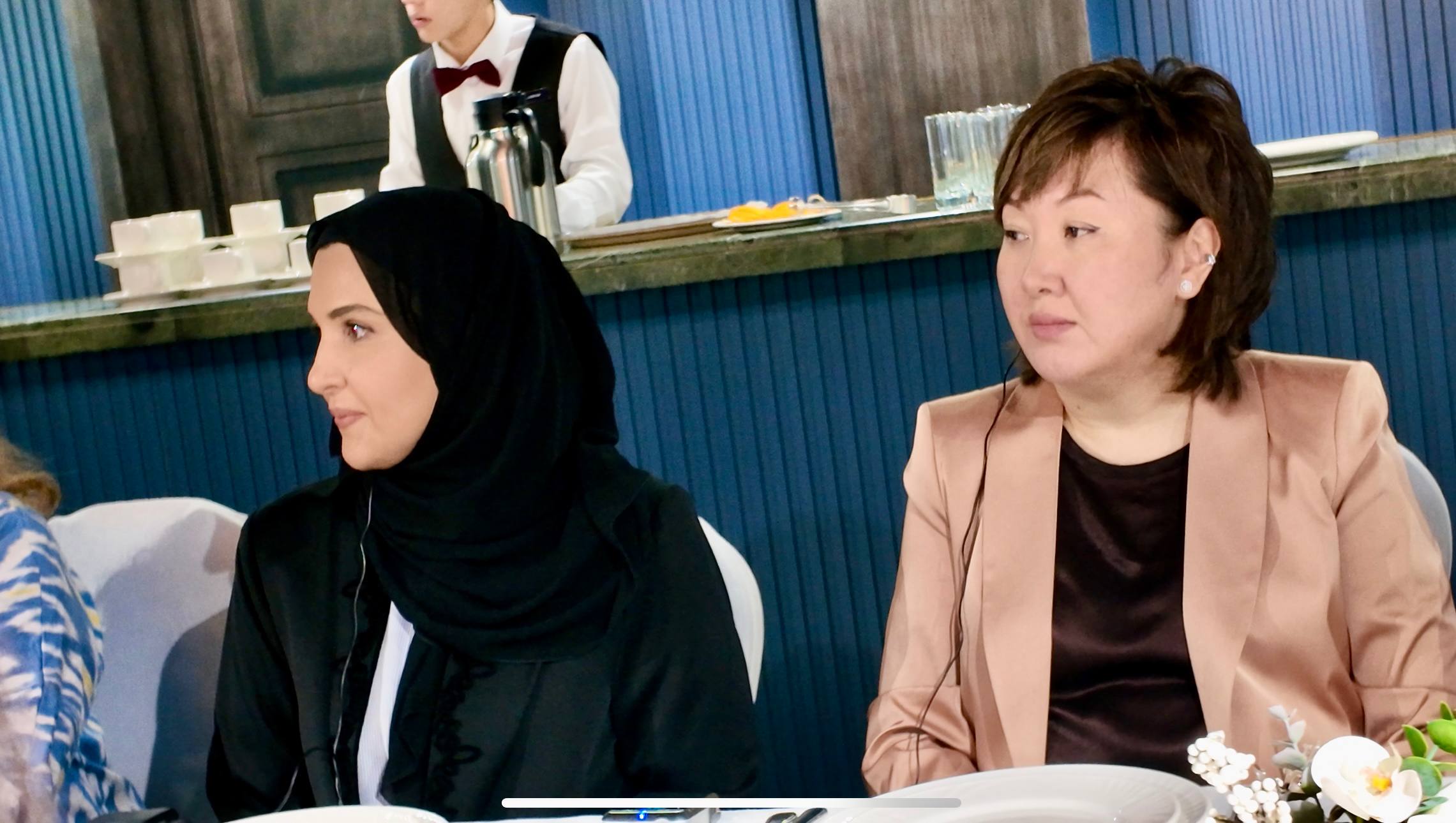
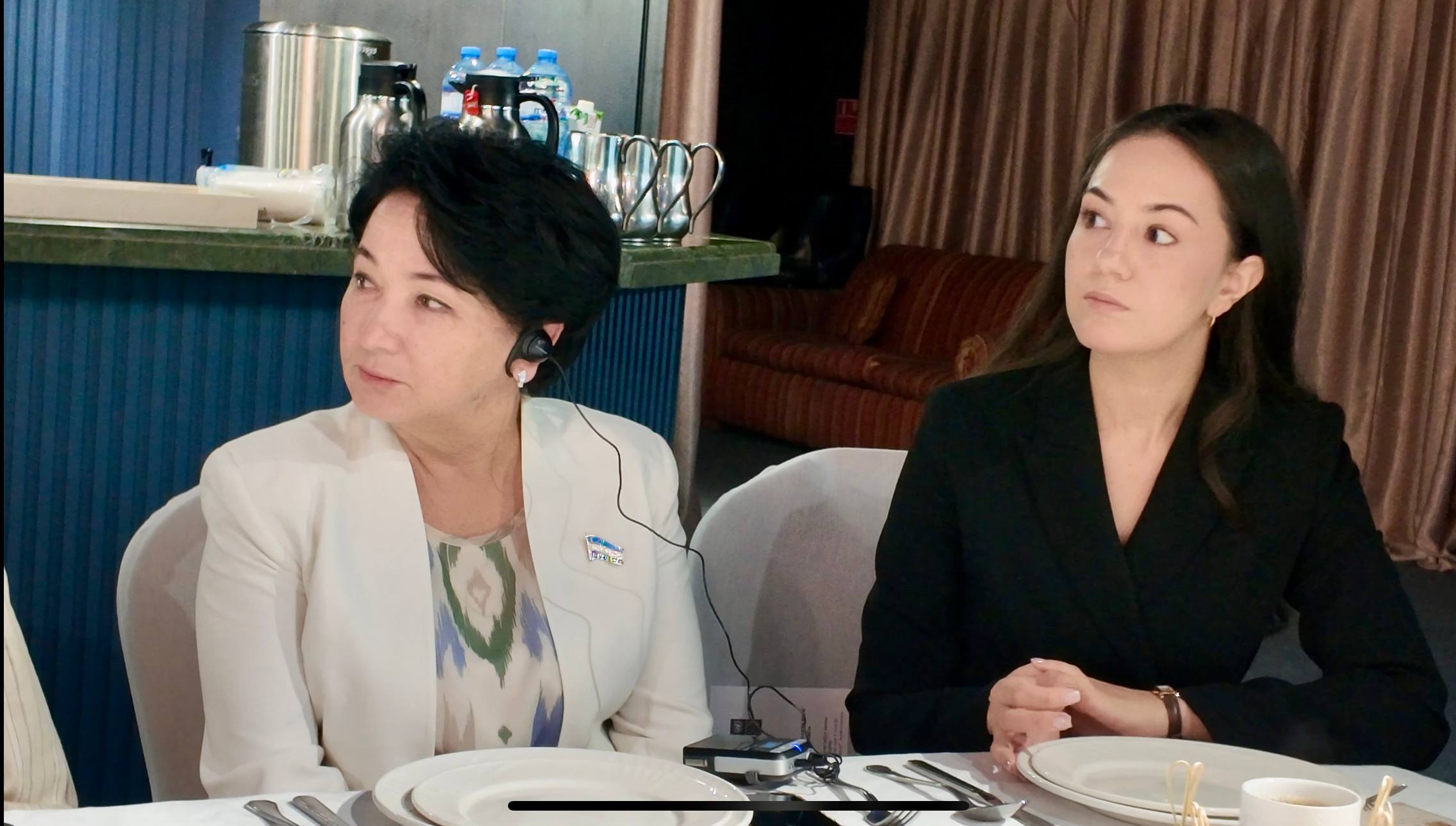
The event focused on supporting the professional and leadership potential of women working in the field of human rights and further expanding their participation in state and public governance, particularly in the development and adoption of strategic decisions.
Today, women’s participation in state and public governance is one of the key indicators of gender equality. This involves not only increasing the number of women in leadership positions, but also ensuring their meaningful and effective participation in the discussion, development and adoption of important decisions.
In recent years, Uzbekistan has implemented systemic reforms aimed at ensuring the rights and interests of women and increasing their political, social and economic participation. In particular, legal mechanisms have been introduced to take gender considerations into account when adopting laws, decrees and resolutions. As President Shavkat Mirziyoyev noted at the ceremony marking International Women’s Day on 6 March 2026, from now on, no law will be adopted without assessing its impact on the rights and interests of women.
These reforms are also reflected in international rankings. In particular, Uzbekistan rose by 92 positions to rank 36th in the Inter-Parliamentary Union’s “Women in Parliament” ranking and moved from 103rd to 52nd place in the “Gender Equality and Governance Index”. In the World Bank’s “Women, Business and the Law” report, Uzbekistan improved its position by 43 places, rising to 48th.
At the same time, women’s participation in the economy, science and education continues to expand. Today, the country has nearly 230,000 women entrepreneurs, 12,000 women farmers and more than 6,000 women scientists. The number of female students enrolled in higher education institutions has exceeded 904,000, accounting for 54 per cent of all students, while women make up 61 per cent of trainee researchers and doctoral students.
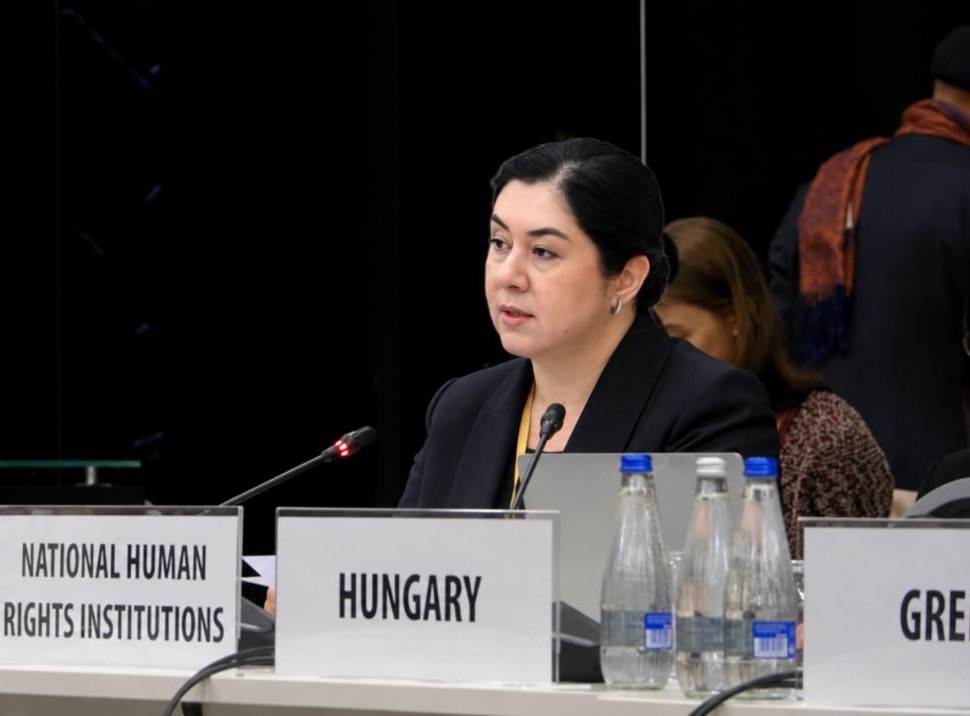
More than 20 national and international women leaders participated in the Breakfast Dialogue, including parliamentary representatives and women parliamentarians, senior officials in public administration, Ombudspersons from foreign countries, and representatives of international organisations and prominent foreign institutions.
Held in an informal and open dialogue format, the event featured discussions on “The Role of Women in Public Administration and Strategic Decision-Making: Opportunities and Prospects” and “Strengthening Women’s Leadership: Cooperation, Exchange of Experience and Support for a New Generation of Leaders.”
Participants exchanged professional experiences and effective governance practices and discussed ways to strengthen women’s influence in decision-making processes, as well as support young women professionals aspiring to leadership roles.
Particular attention was paid to expanding platforms for professional dialogue and exchange of experience for young women lawyers, drawing on the experience of successful women leaders at the national and international levels, and fostering a new generation of leaders.
At the conclusion of the dialogue, participants emphasized the importance of further developing professional ties between national and international women leaders, supporting the leadership potential of young women professionals, and continuing cooperation aimed at expanding women’s active and meaningful participation in decision-making processes.
Press Service of the Commissioner of the Oliy Majlis for Human Rights (Ombudsman)