
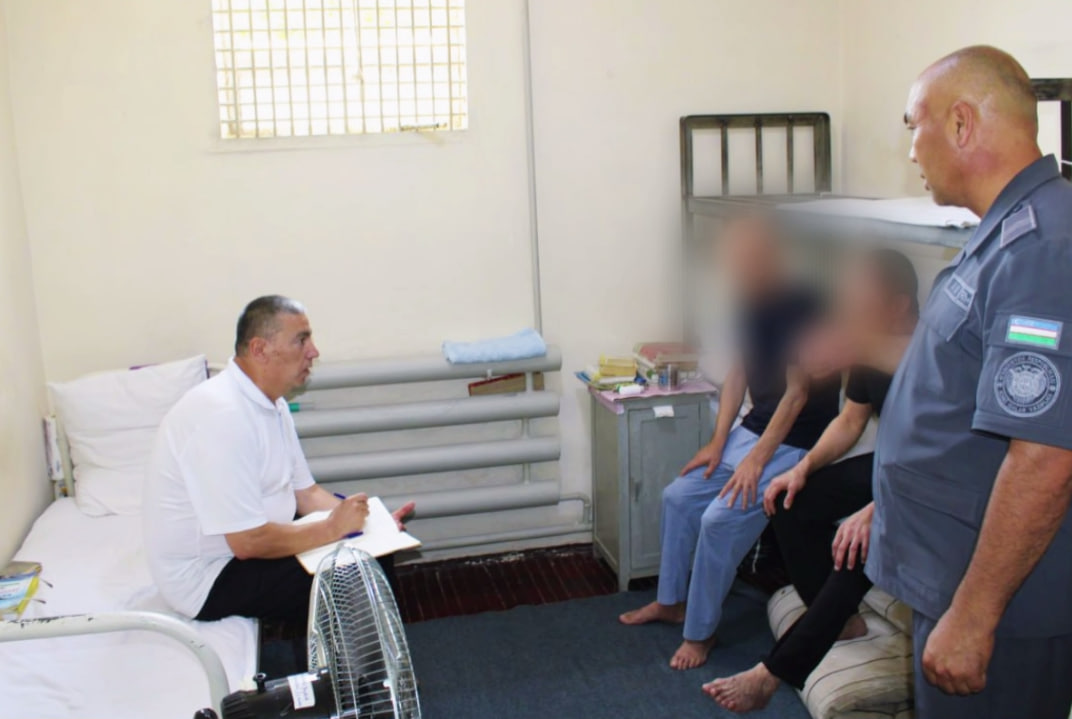
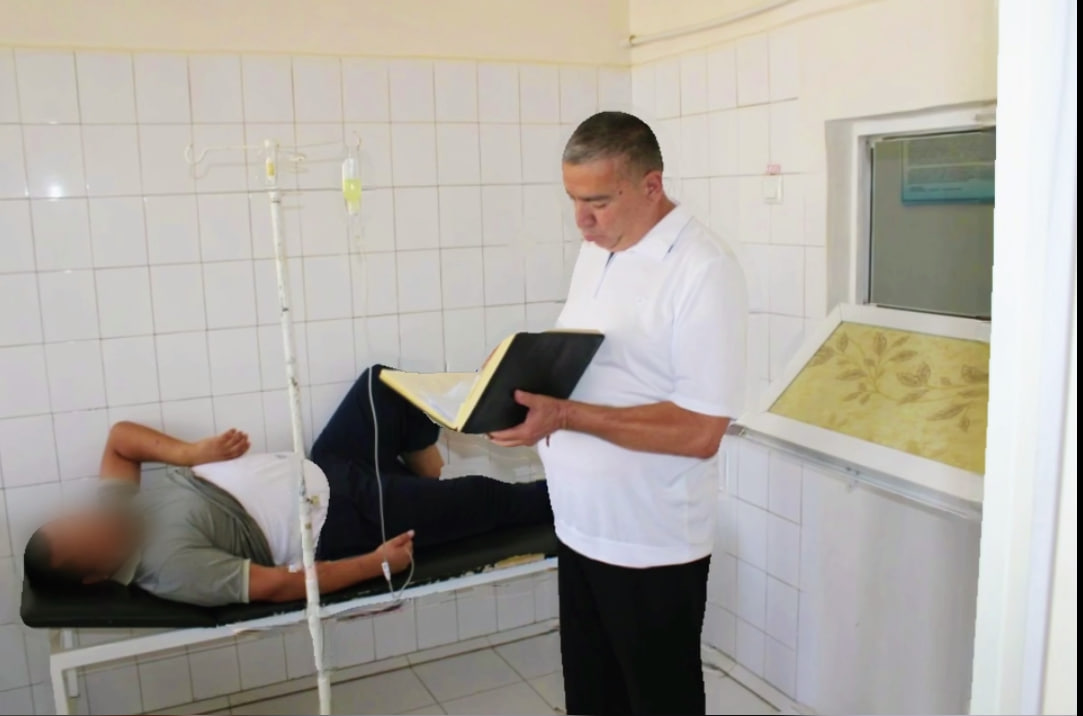
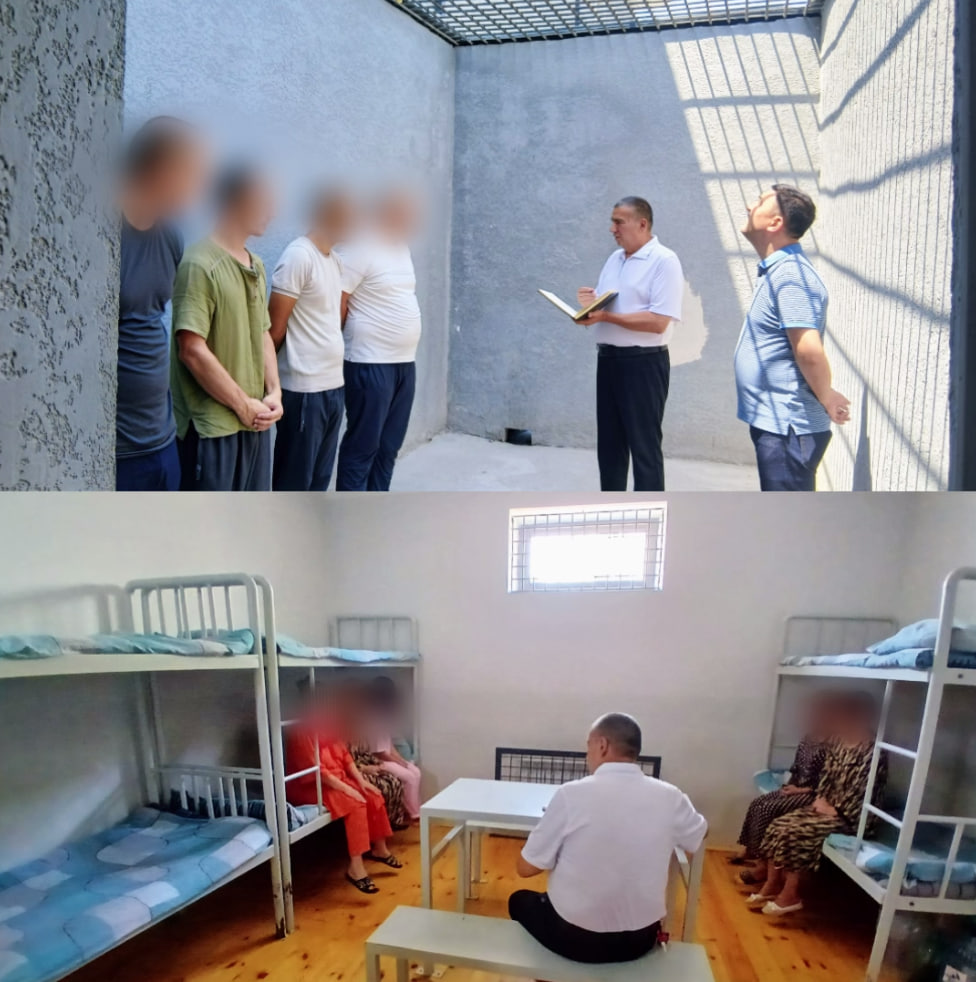
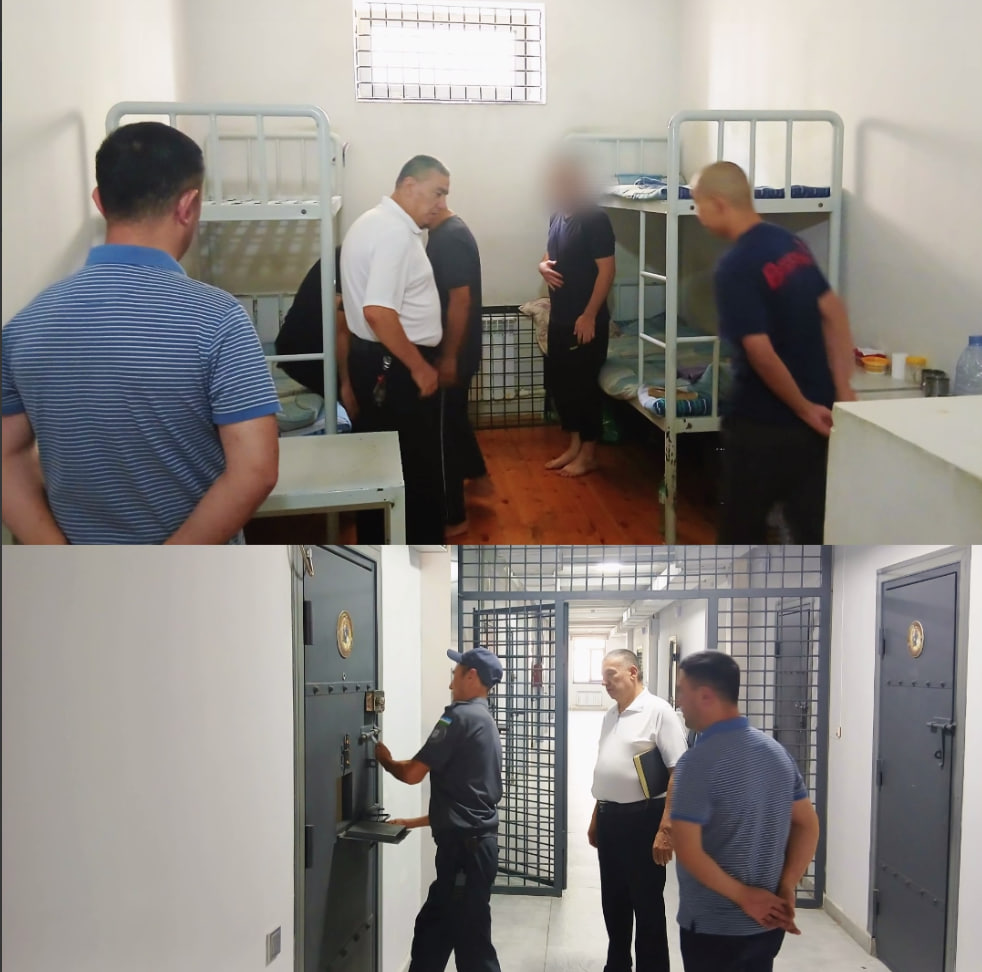
During the monitoring visits, the conditions of sleeping quarters, shower facilities, dining areas and medical units were examined, along with the provision and storage of food and medicines. The monitoring also covered libraries, cultural and recreational facilities, telephone communication, short-term and long-term visiting rooms, search rooms, rooms for investigators and meetings with lawyers, exercise yards, as well as the condition of video surveillance cameras installed at the institutions.
It was established that, on the day of the monitoring visit, 548 persons, including 11 minors, were being held at Pre-trial Detention Center No. 6. Following the commissioning of a new building at the facility, the issue related to its accommodation capacity had been resolved.
It was also established that separate dietary meals were prepared for 11 persons requiring special diets, while minors attended English language and general education classes twice a week.
At Penal Colony No. 6, nearly 90 percent of able-bodied convicts were engaged in work across 21 areas. Vocational training courses in 19 fields had also been organized, along with Russian, English and Korean language classes.
At the Temporary Detention Facility of the Namangan Regional Department of Internal Affairs, all 98 video surveillance cameras were found to be operational. A medical professional was permanently available at the facility, which was also equipped with rooms for conducting court hearings remotely.
However, although the Special Reception Center of the Regional Department of Internal Affairs has a designated capacity of 75 persons, it was found to be holding more persons than its established capacity on the day of the monitoring visit.
A number of shortcomings related to sanitary and hygienic conditions and material and technical resources were also identified at the inter-district medical assistance unit for persons in a state of intoxication under the Naryn District Medical Association.
In particular, the condition of bedding and certain premises did not meet the established requirements, there was a shortage of essential medicines, and expired medicines were found to be stored at the facility. The need to strengthen measures to ensure the safety of medical personnel was also highlighted.
Recommendations were issued to the Namangan Regional Health Department to address the identified shortcomings. As a result, the deficiencies recorded during the monitoring visit were eliminated.
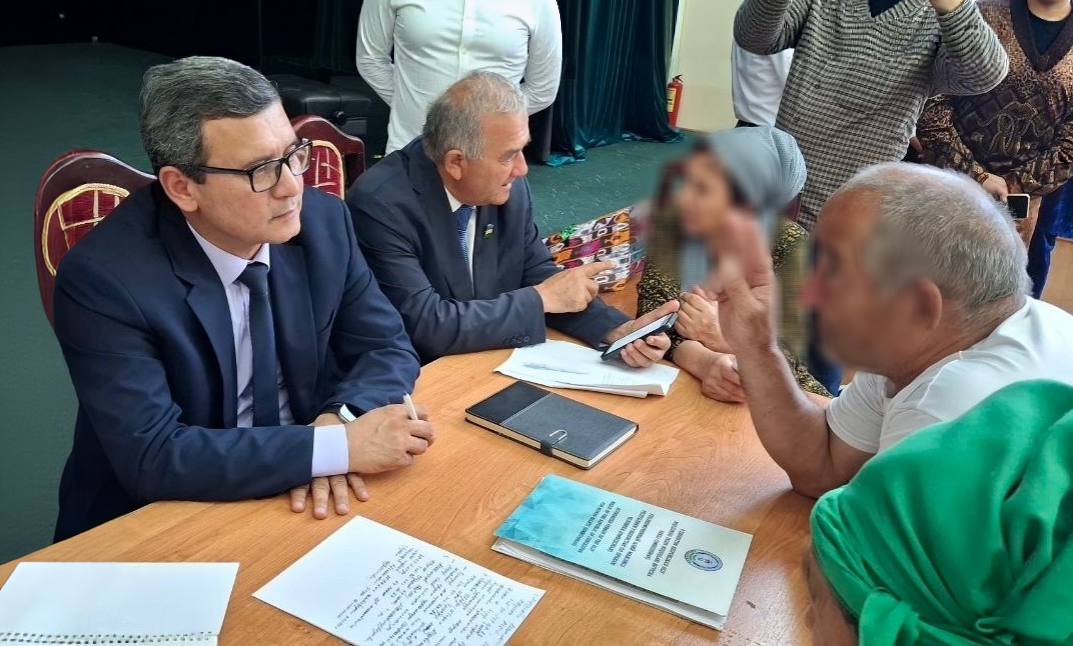
During the visits, group and individual confidential interviews were conducted with persons held in all the institutions, and their appeals were received. The “Ombudsman Boxes” installed at the institutions were also opened, and the appeals deposited in them were collected for further consideration.
Press Service of the Commissioner of the Oliy Majlis for Human Rights (Ombudsman)