
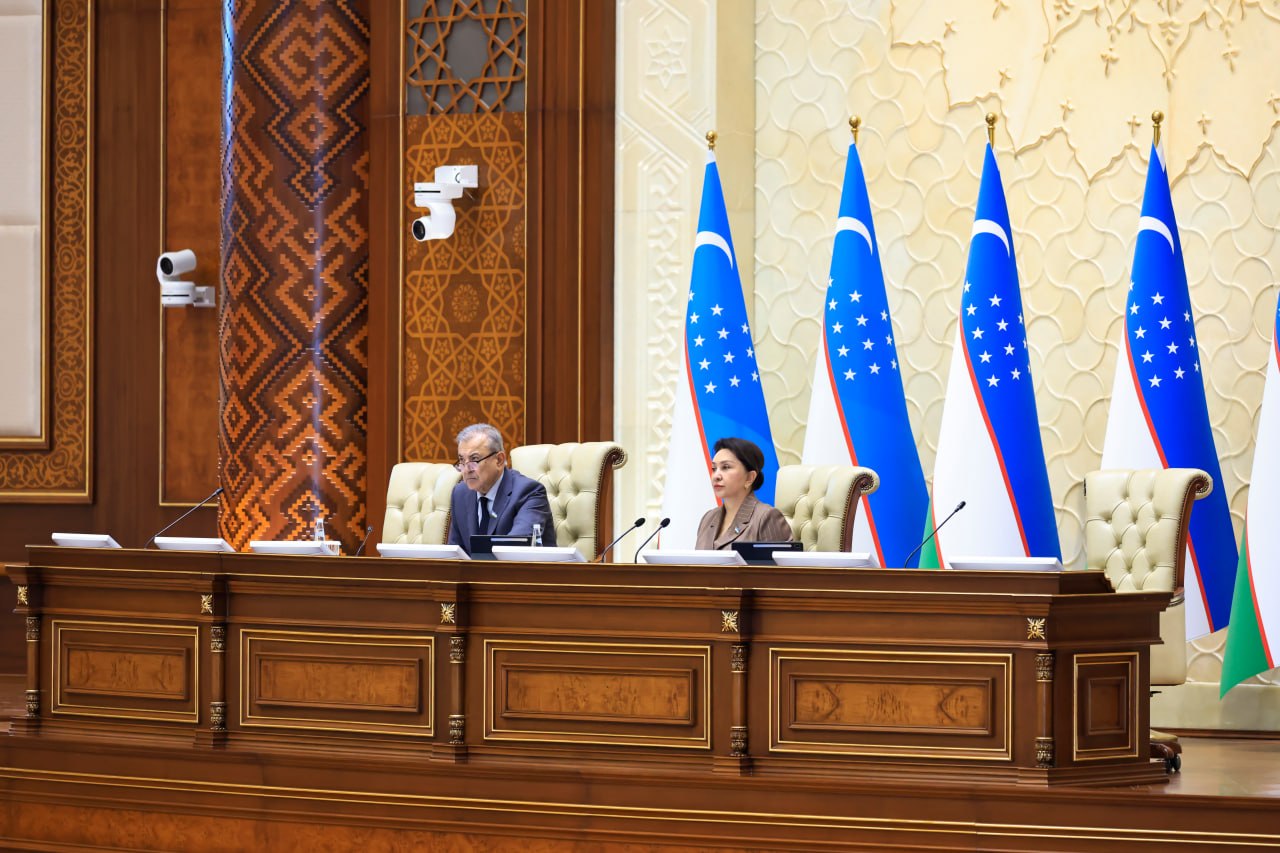
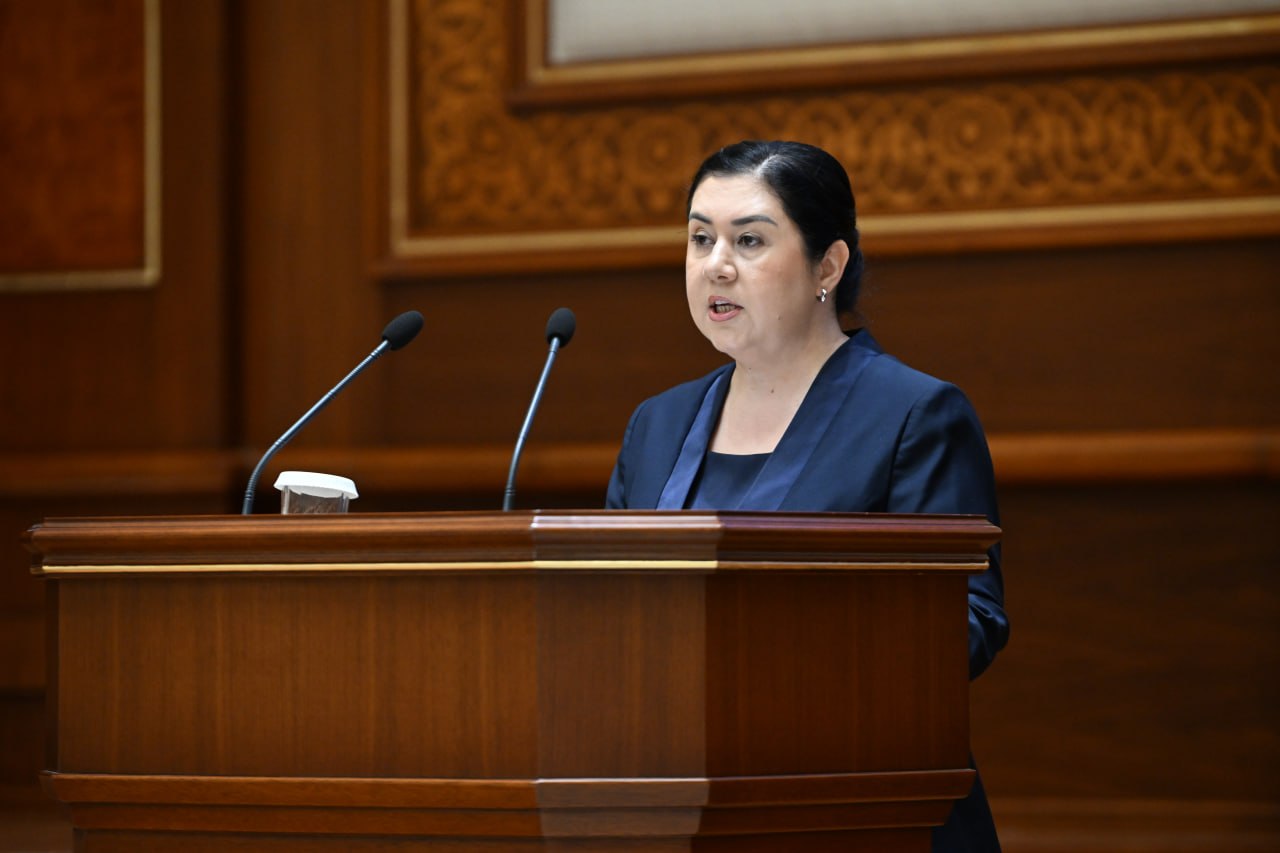
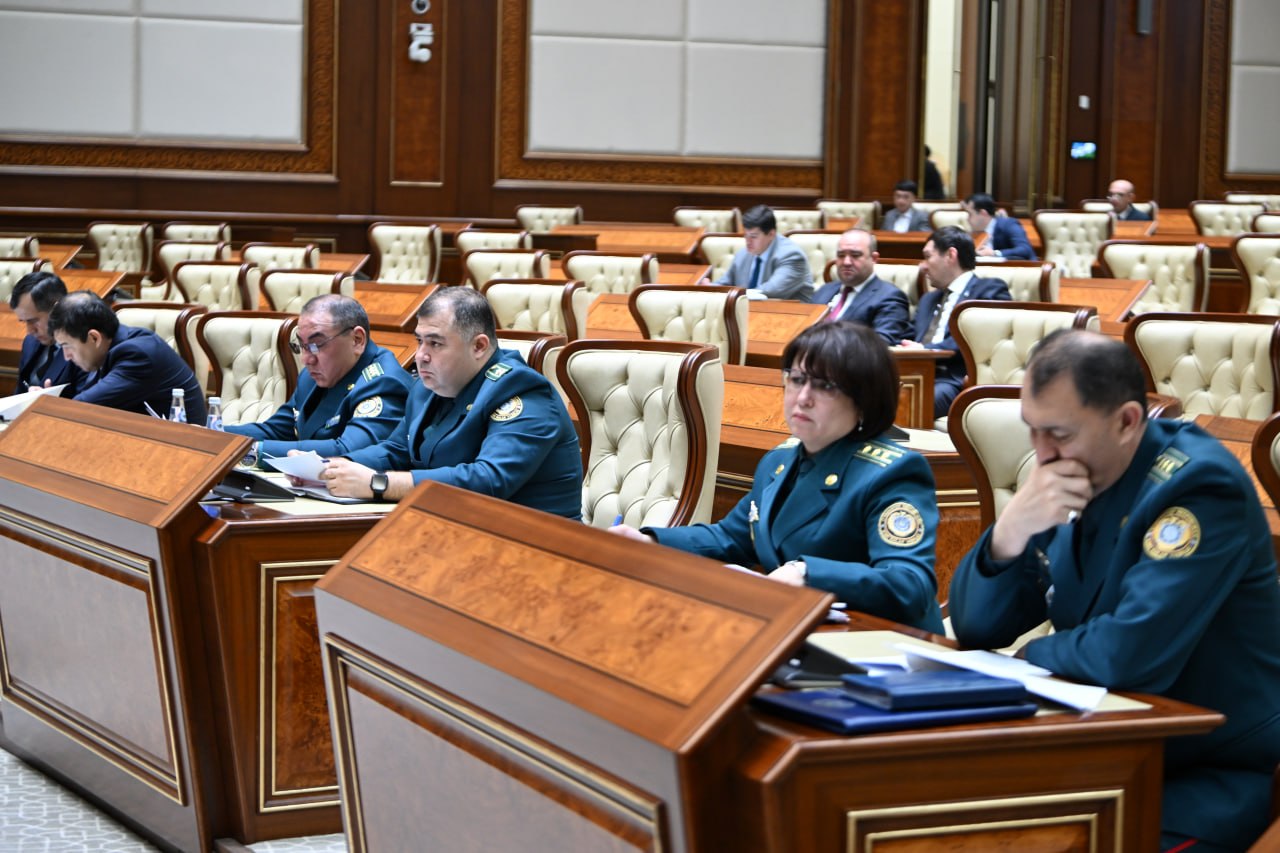
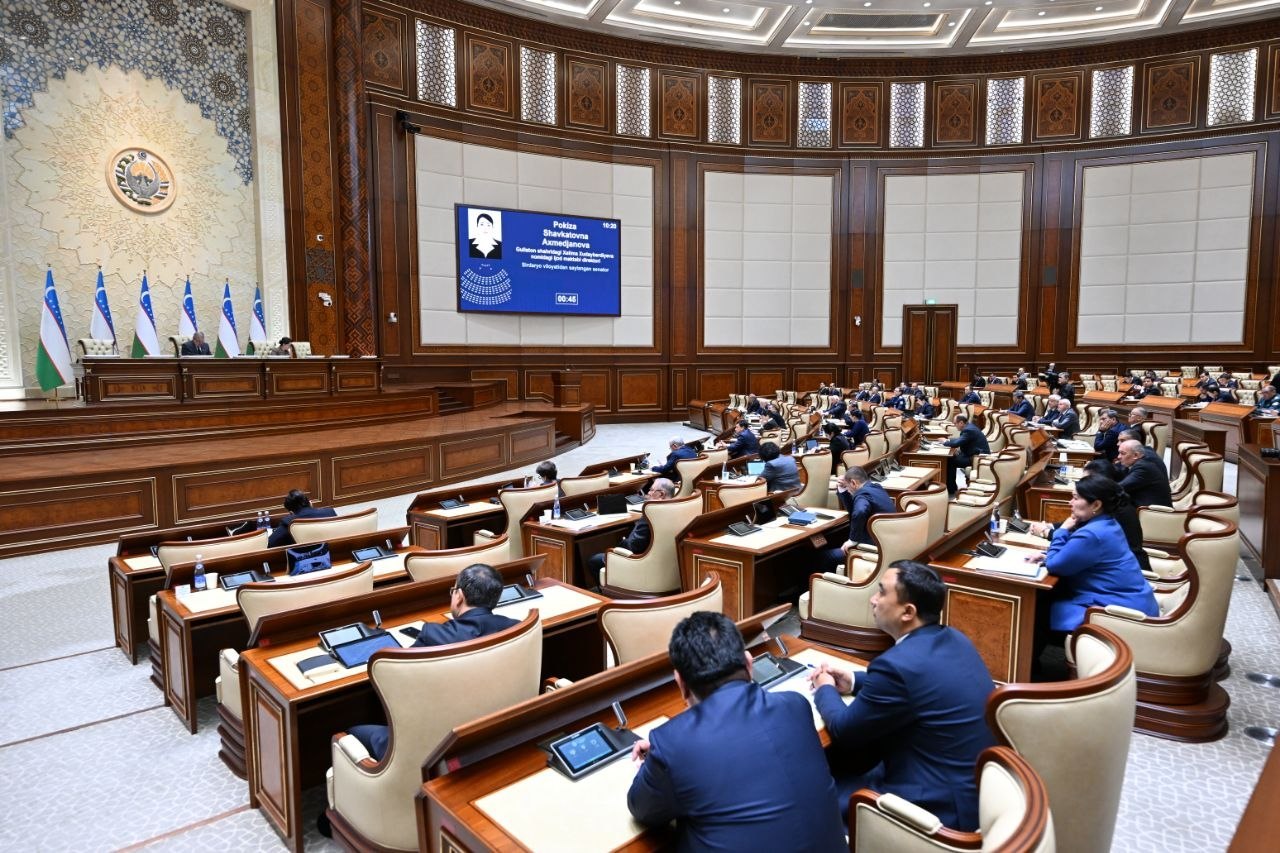
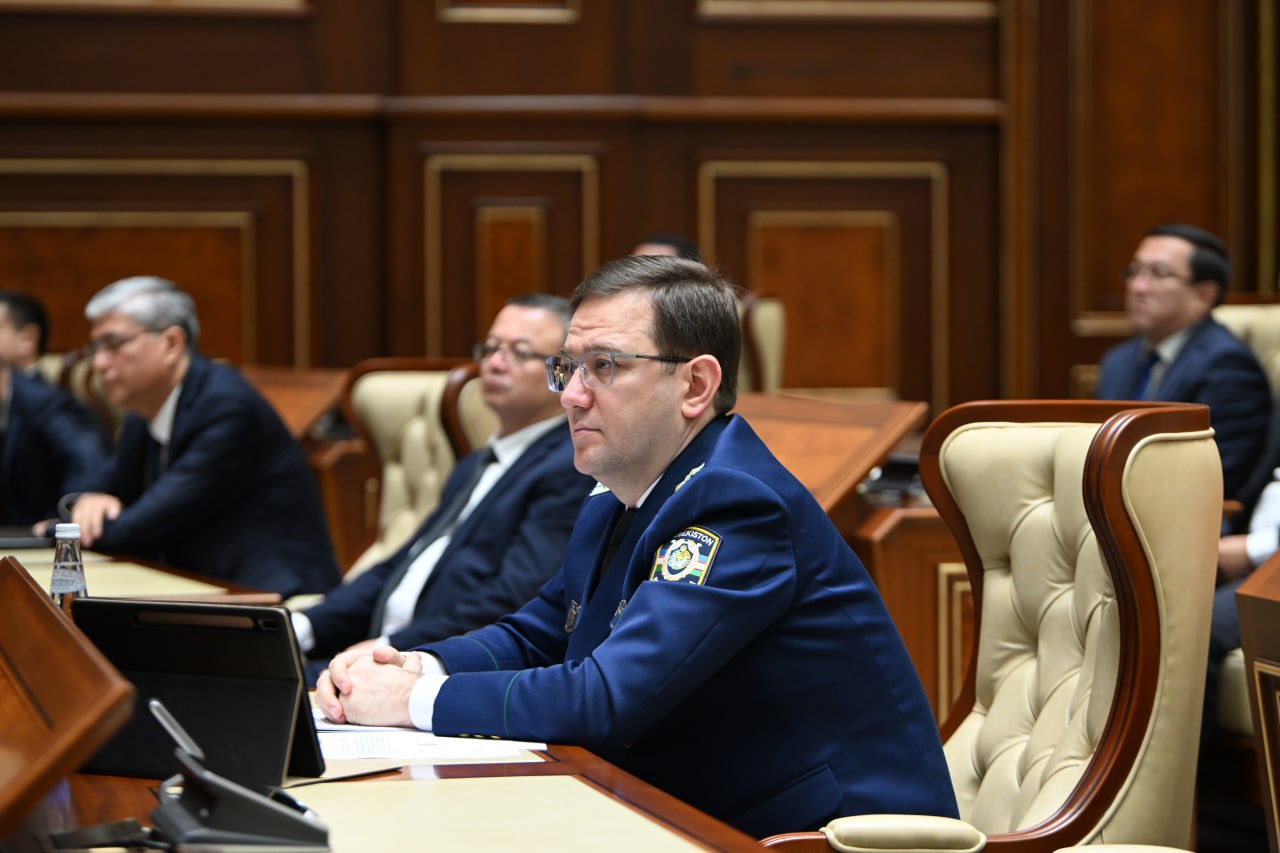
It was noted that in 2025, the Ombudsman Institution implemented a number of measures aimed at ensuring effective parliamentary oversight over compliance with legislation on human rights, freedoms, and legitimate interests, based on new constitutional provisions. Efforts were also directed at improving national legislation in this sphere, strengthening the national preventive mechanism, developing international cooperation, and enhancing citizens’ legal awareness and culture.
In 2025, a total of 26,372 appeals were submitted to the Ombudsman, representing an increase of 12.6% compared to 2024. Regionally, the highest number of appeals was recorded in Kashkadarya region (4,159), Surkhandarya region (2,769), and the city of Tashkent (3,599). The lowest number of appeals came from the Republic of Karakalpakstan (681) and Syrdarya region (696).
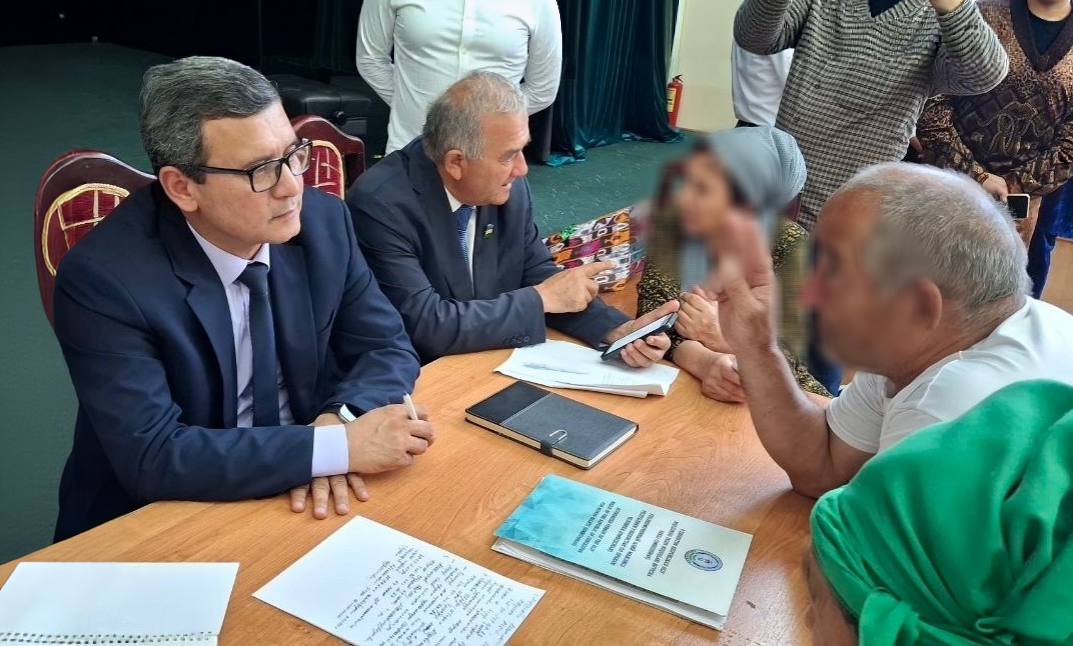
Within the framework of the Senate Resolution dated March 18, 2025, visits were conducted to districts with the highest number of appeals—Kasansky district of Kashkadarya region and Denau district of Surkhandarya region. Open dialogues with citizens were organized in more than 20 mahallas, with the participation of representatives of relevant agencies and civil society institutions, during which issues raised in appeals were discussed. As a result, proposals to improve the system for handling appeals were developed and submitted to the Senate Committee on Judicial and Legal Issues and Anti-Corruption.
In response to the increase in appeals related to violence against women, the Ombudsman initiated the launch of the “Equality and Respect” platform in 2025 to assess the effectiveness of legislation on women’s rights and to strengthen parliamentary oversight. More than 150 group and individual consultations were conducted in rehabilitation centers with women who had experienced violence, and assistance was provided. Based on the findings, proposals were developed and submitted to the chambers of the Oliy Majlis.
As part of the implementation of the Senate Resolution of March 18, 2025, the Ombudsman paid particular attention to identifying legislative gaps and issues in law enforcement practice through systematic analysis of appeals. In particular, in 2025, three draft laws aimed at further strengthening guarantees of human rights and freedoms were developed. 1 legislative proposal submitted under the right of legislative initiative was reviewed and adopted by the Legislative Chamber. Additionally, 11 regulatory legal acts were developed by state bodies based on the Ombudsman’s recommendations.
As a result of the review of appeals and monitoring visits, 194 response measures were introduced to eliminate human rights violations, 82% of which were resolved positively.
In 2025, a total of 11 billion 82 million soums were recovered based on citizens’ appeals. This included: housing compensations amounting to 3 billion 936 million soums; wages and other labor-related payments totaling 2 billion 715 million soums (including 409.3 million soums in wages for convicted persons); debts and damages amounting to 3 billion 361 million soums; and alimony payments exceeding 604 million soums.
A total of 118 officials who violated human rights were held accountable, including disciplinary, administrative, and criminal liability.
A total of 954 monitoring visits were conducted to institutions where persons with restricted freedom of movement are held (902 in 2024). More than 11,000 collective and 5,487 individual interviews were conducted with convicted persons and detainees. Based on the submitted recommendations, detention conditions in several institutions were improved, over 8.5 billion soums were allocated, and temporary detention facilities in the Chinaz, Kibray, and Yukorichirchik districts of Tashkent region were closed.
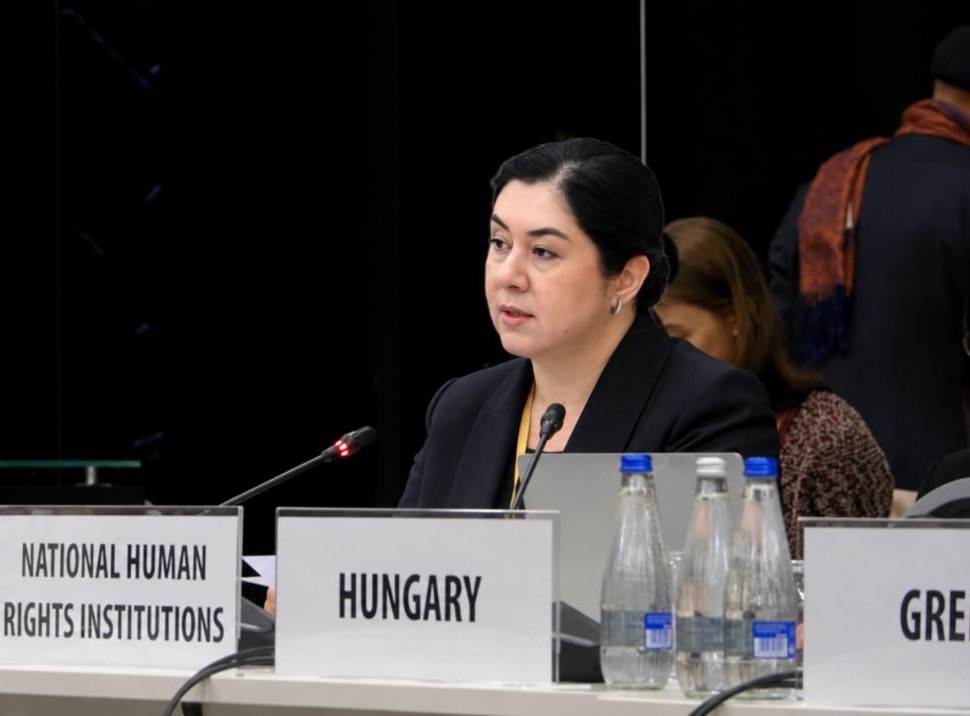
In the international sphere, the Ombudsman joined the Asia-Pacific Forum of National Human Rights Institutions, signed a “Roadmap” for 2025–2026 with the Human Rights Commissioner of the Russian Federation, and concluded memorandums of cooperation with the Danish Ombudsman and the Friedrich Ebert Foundation of Germany.
However, during the plenary session, it was noted that certain shortcomings and issues requiring attention remain.
In particular, the number of appeals received in 2025 (26,372) increased by 2,950, or 12.6%, compared to 2024.
An analysis of the appeals shows that 32% concerned economic rights, representing a 26% increase compared to 2024. Most of these appeals related to disagreements with court decisions, guarantees of private property, labor rights, and related issues.
In 2025, 585 appeals were received regarding harassment and violence against women, including domestic abuse and unlawful interference in private life, which is an increase of 291 cases, or 99%, compared to 2024 (294). This indicates the continued relevance of these issues and the need to further strengthen preventive and protective mechanisms.
Additionally, regional representatives of the Ombudsman received 7,010 appeals (3,857 in 2024), both from the central office and directly from citizens.
During the discussions, specific tasks were identified, including the effective use of legal response measures, analysis of appeals with regard to regions with the highest number of submissions, and improvement of the activities of regional representatives in preventing torture and other forms of cruel, inhuman, or degrading treatment or punishment.