


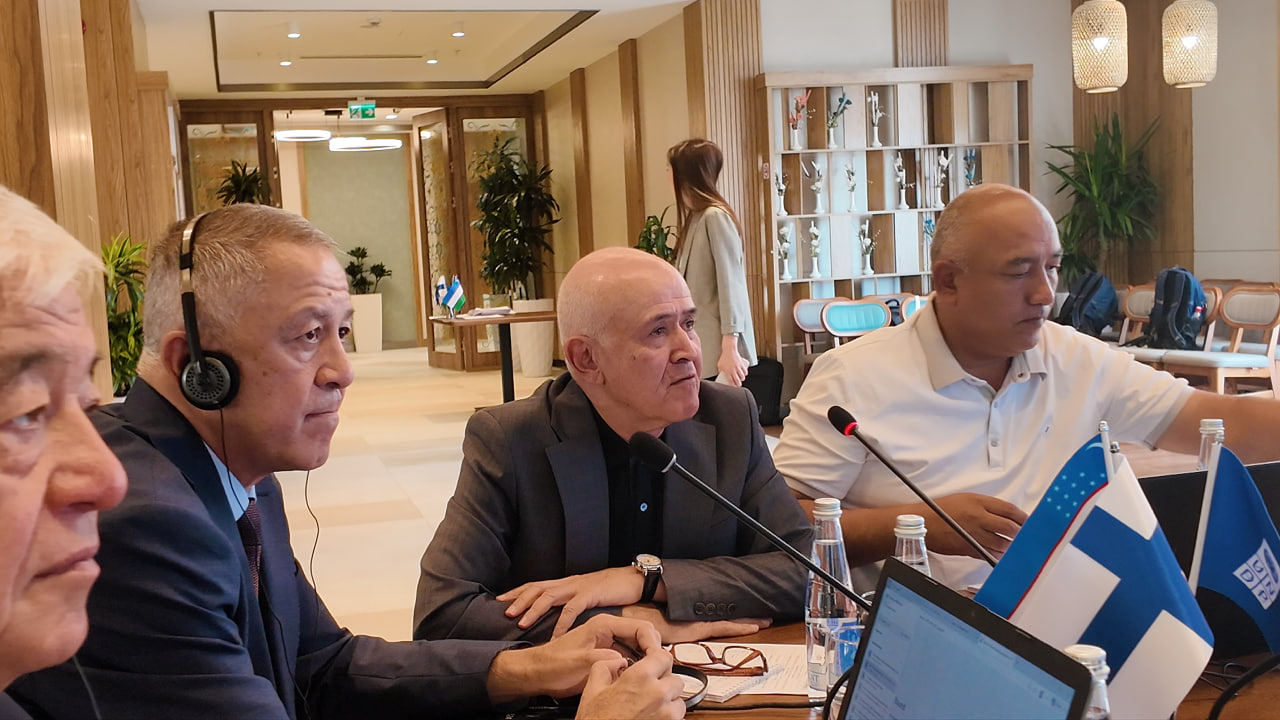

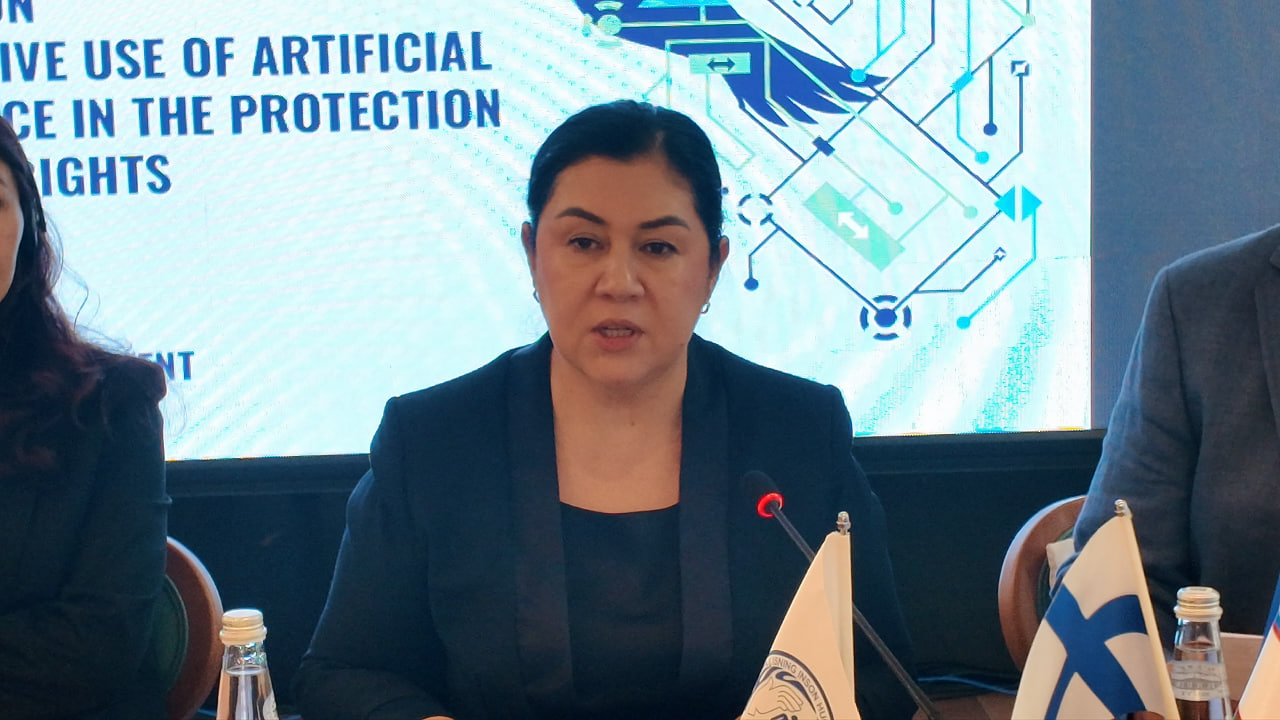
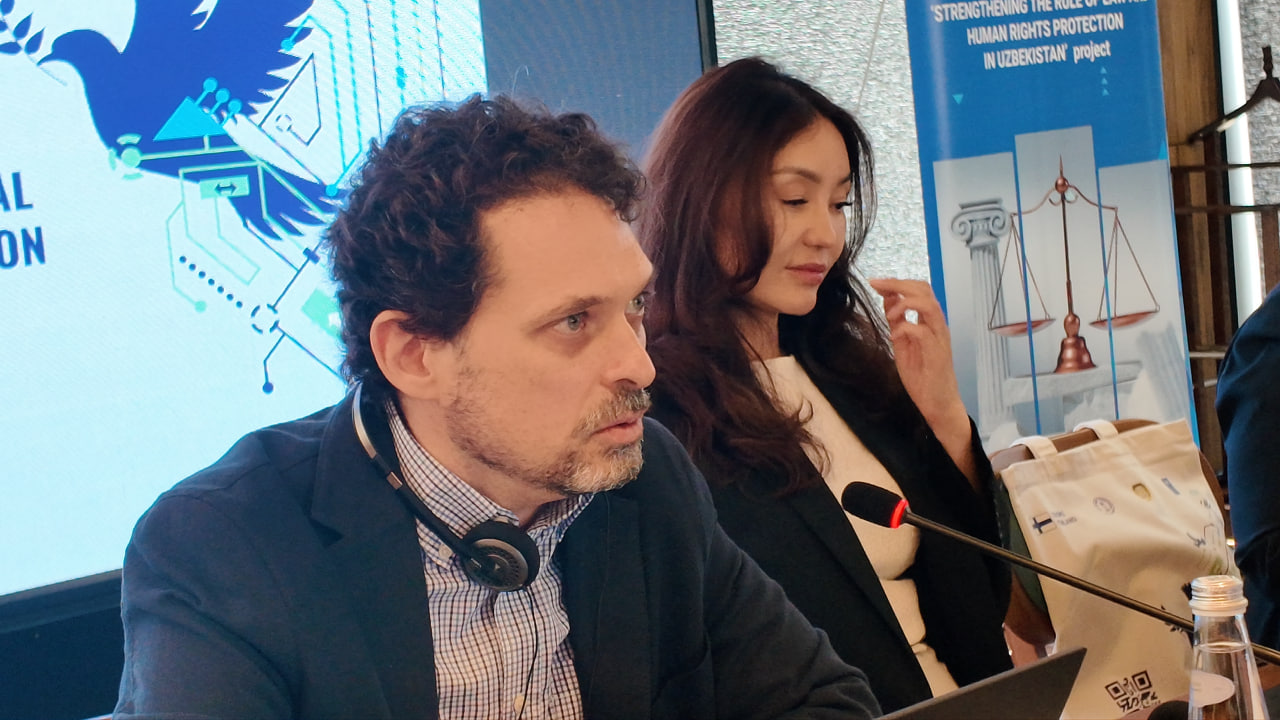
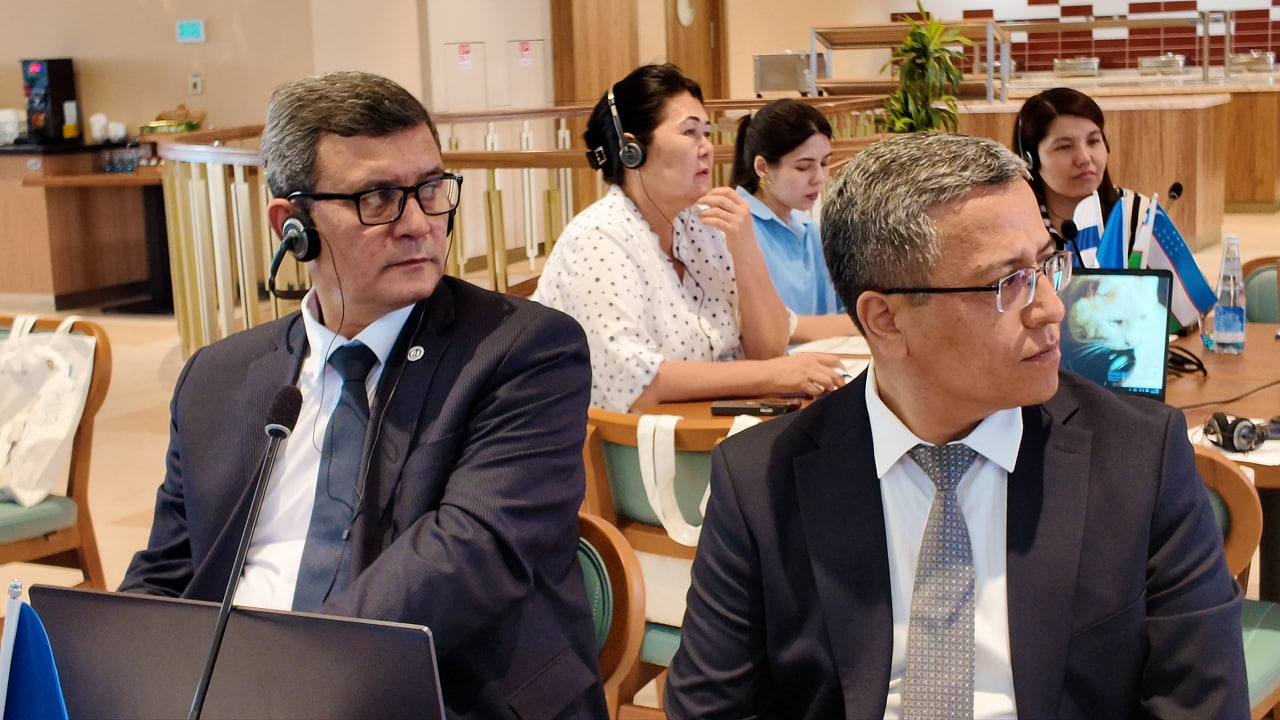

The event was organised in cooperation with the Commissioner of the Oliy Majlis for Human Rights (Ombudsman), the Ministry of Justice of the Republic of Uzbekistan, the United Nations Development Programme (UNDP) Country Office in Uzbekistan and the Ministry for Foreign Affairs of Finland. Experts from the Office of the United Nations High Commissioner for Human Rights (OHCHR) in Uzbekistan were also involved in the training sessions.
Today, artificial intelligence technologies are becoming increasingly integrated into the field of human rights protection, as they are in many other areas. Capabilities such as analysing large volumes of data, working with documents, systematising appeals and rapidly processing information can contribute to enhancing the effectiveness of national human rights institutions.
At the same time, the use of artificial intelligence is bringing a number of issues to the forefront, including the protection of personal data, assessment of its impact on human rights, and the responsible use of technology.
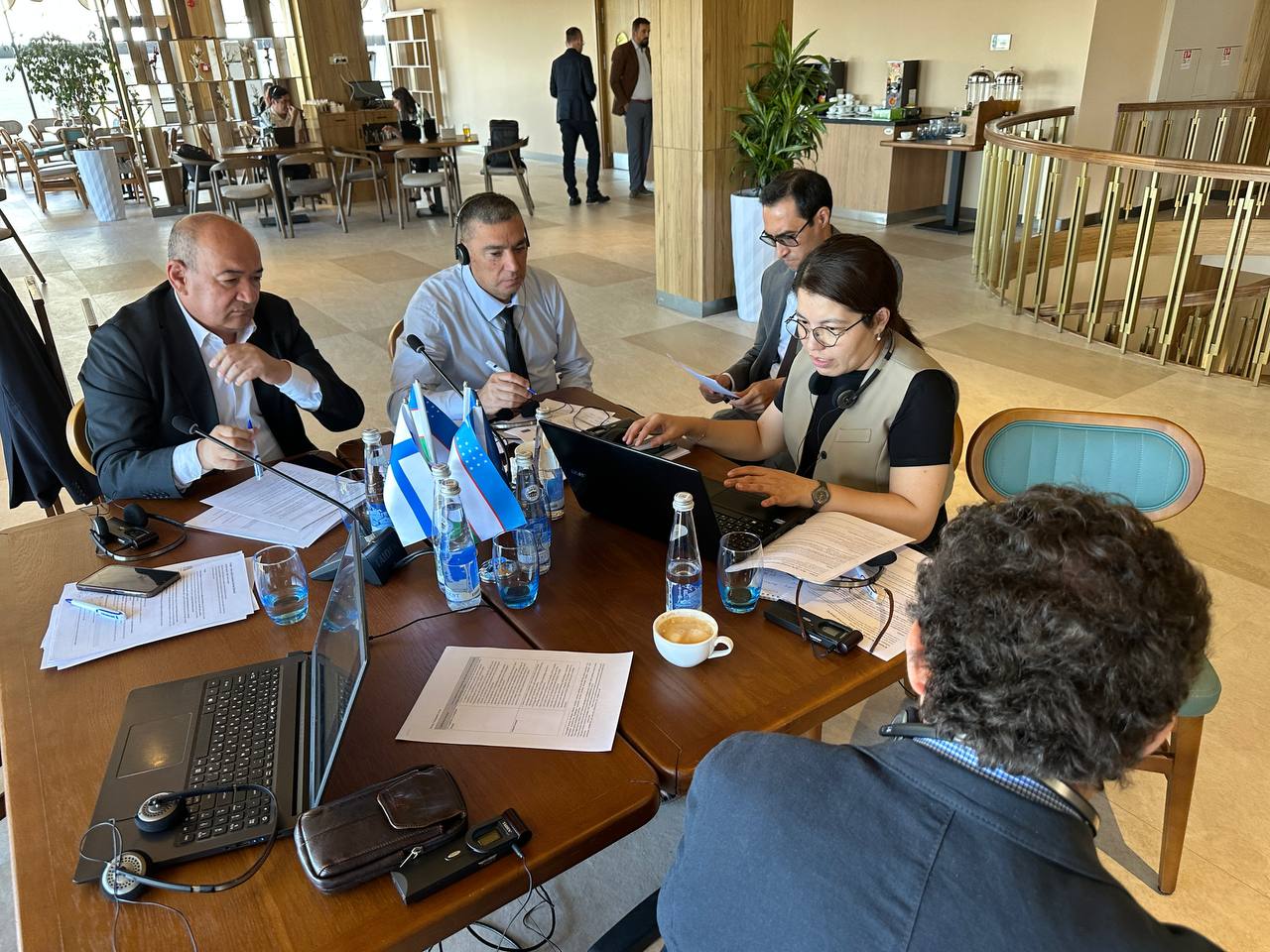
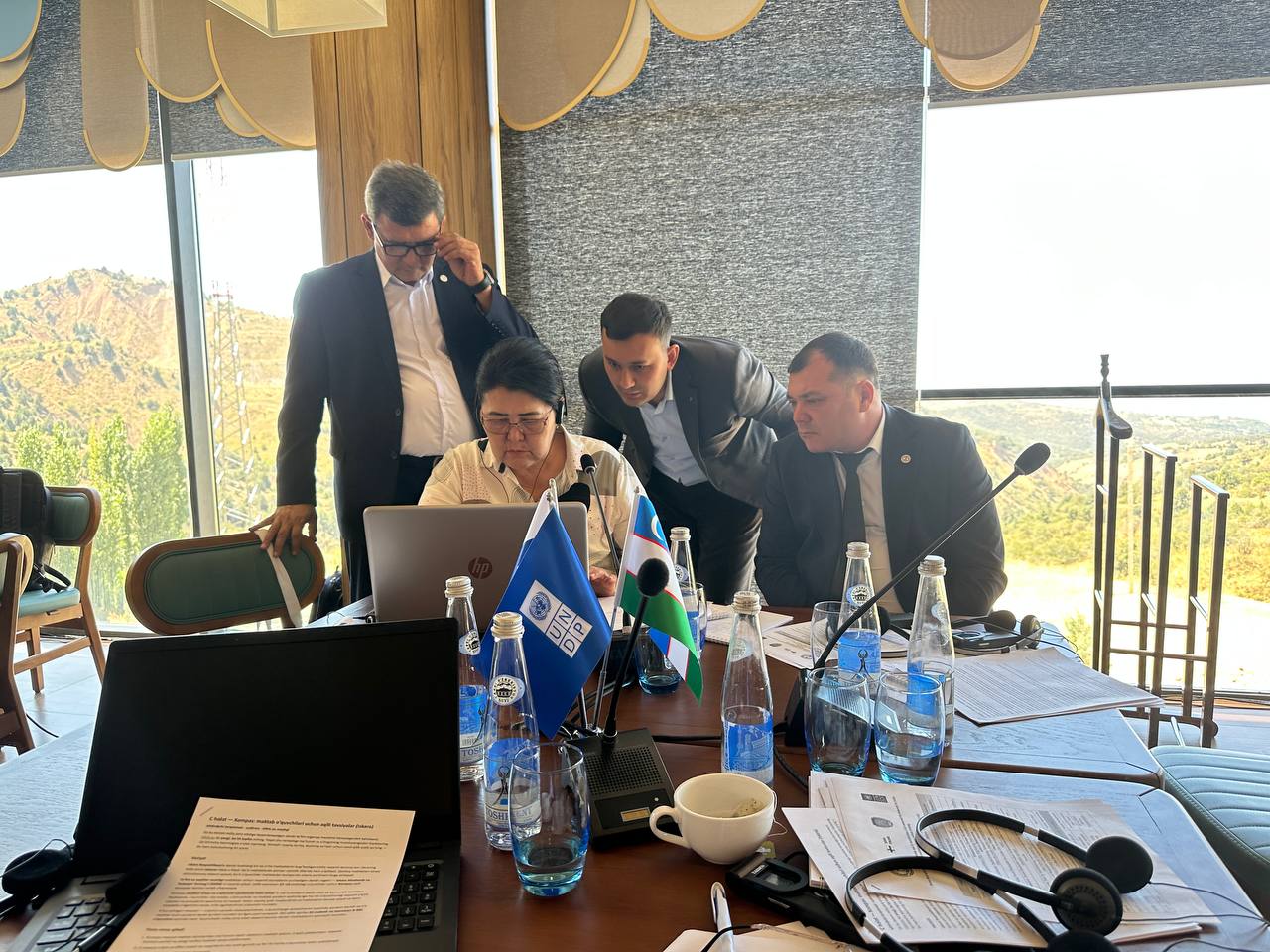
During the two-day seminar, participants took part in theoretical and practical sessions on the fundamentals of artificial intelligence and its impact on human rights, artificial intelligence and international human rights standards, as well as on effectively formulating requests — prompts — for artificial intelligence systems when working in the field of human rights.
In particular, participants learned about mechanisms for assessing the potential positive and negative impacts on human rights before introducing an AI-based tool or decision into practice, identifying risks in advance and mitigating them. The practical sessions addressed the application of these approaches in the field of human rights protection.
During the training, Ainura Bekkoenova, representative of UNDP’s Istanbul Regional Hub for Europe and Central Asia; Omer Fisher, representative of the Office of the United Nations High Commissioner for Human Rights in Uzbekistan; and international experts David Mark and Mindia Vashakmadze provided participants with theoretical knowledge and practical recommendations on the effective and responsible use of artificial intelligence in their day-to-day professional activities.
The training sessions were organised in the form of question-and-answer discussions, practical exercises and exchanges of views. Particular attention was paid to the principle that artificial intelligence should be used in human rights protection not as a substitute for a specialist, but as a tool that expands their analytical capabilities, while final decision-making and responsibility must remain with humans.
At the conclusion of the two-day seminar, which included interactive question-and-answer sessions and engaging interactive activities, participants were awarded certificates.
Press Service of the Commissioner of the Oliy Majlis for Human Rights (Ombudsman)