
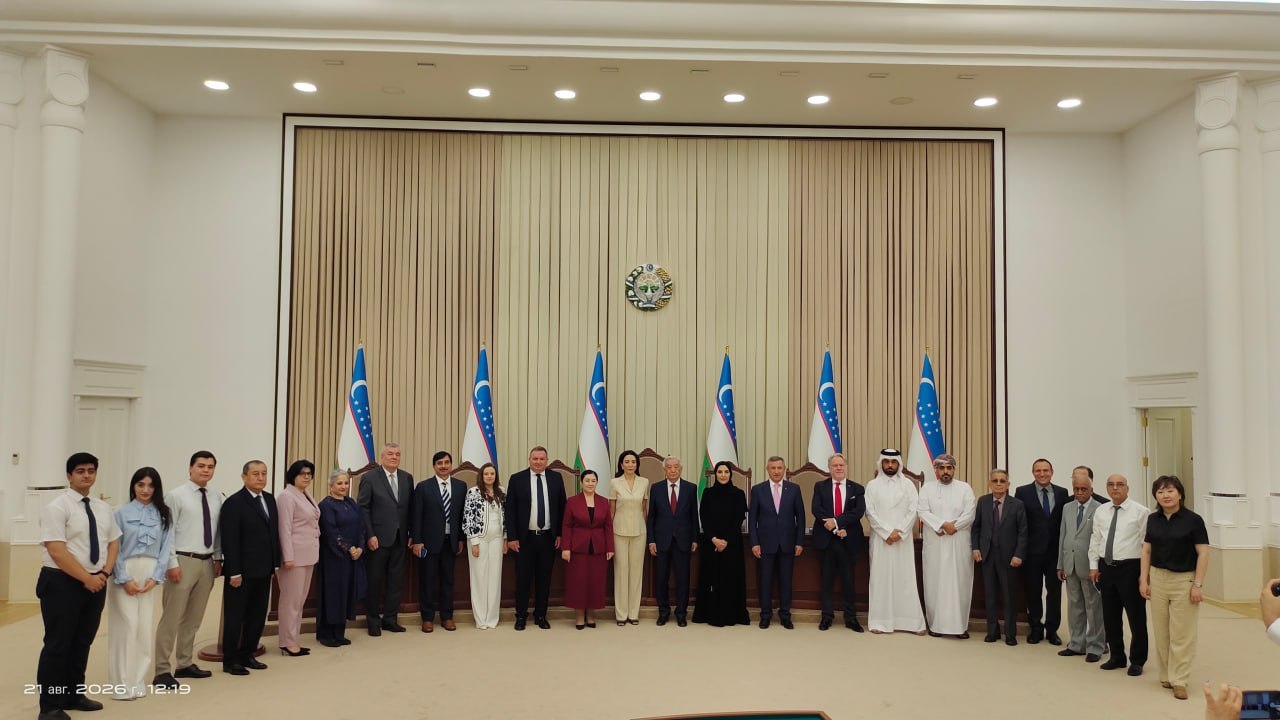
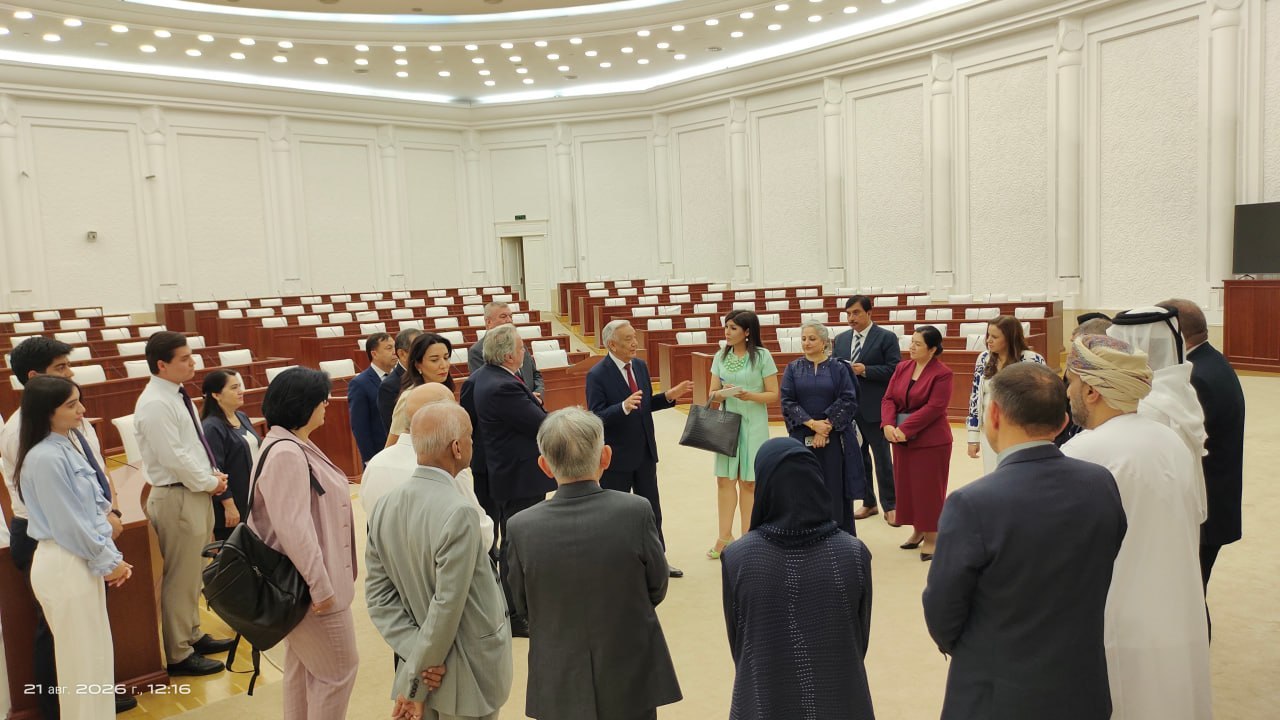
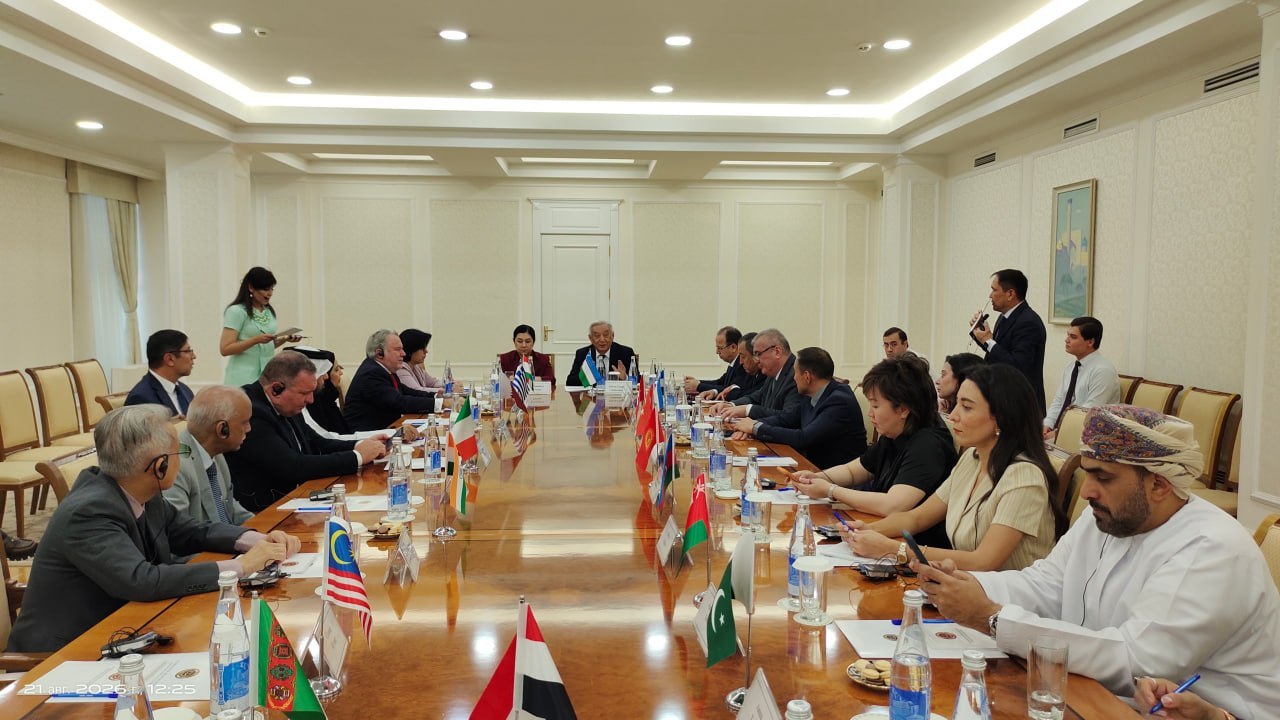
The meeting was also attended by the Commissioner of the Oliy Majlis of the Republic of Uzbekistan for Human Rights (Ombudsman), F. Eshmatova, judges of the Constitutional Court and staff members of its Office.
The meeting was opened with welcoming remarks by M. Abdusalomov, Chairperson of the Constitutional Court of the Republic of Uzbekistan. He noted that the theme of the international conference “Human Rights in the Context of Digital Transformation: Modern Approaches”, organized by the Commissioner of the Oliy Majlis for Human Rights, is today not only relevant to every country and every sector, but is also of strategic importance from the perspective of the future of human rights.
At a time when digital technologies are becoming deeply integrated into almost all areas of public and state life, artificial intelligence, electronic public services, databases and digital platforms are helping to make people’s lives easier, improve the efficiency of public administration and create new opportunities.
At the same time, digitalization is also creating new challenges in the field of human rights protection. Issues such as the protection of personal data, privacy, information security, and ensuring fairness and transparency in AI-based decision-making are becoming increasingly important.
In this context, it is essential that the main criterion of digital transformation should not be the speed at which technologies are developing, but the extent to which such progress ensures human rights and freedoms.
The Constitution in its new edition recognizes the human being, their life, rights and freedoms, honour and dignity as the highest value. It also more clearly and firmly establishes that the primary responsibility of the State is to ensure human rights and freedoms. These constitutional provisions define the legal and institutional foundations for the activities of all state bodies.
In the context of digital transformation, the importance of this constitutional approach is increasing further. Technologies change, digital platforms evolve, and the capabilities of artificial intelligence expand. However, the fundamental essence of human rights must remain unchanged. On the contrary, new technologies should become new instruments for the realization of human rights and should serve not as means of restricting them, but as mechanisms for ensuring them more effectively.
In this regard, new tasks are also being set before the Constitutional Court. In particular, Presidential Decree No. PF-253 of 18 December 2025 “On Measures to Further Improve the Activities of the Constitutional Court of the Republic of Uzbekistan and Introduce Modern Digital Technologies” is aimed at increasing the effectiveness of constitutional review, strengthening guarantees of access to justice and fully digitalizing the Court’s activities.
It was emphasized that, in the context of digital transformation, cooperation among constitutional courts, Ombudsman institutions, and national and international human rights organizations is an important factor in developing appropriate legal responses to emerging challenges.
Particular attention was drawn to the important role of the Constitutional Court and the Ombudsman institution in ensuring human rights and freedoms. It was noted that the signing on 10 July of this year of a Memorandum of Cooperation between the Constitutional Court of the Republic of Uzbekistan and the Commissioner of the Oliy Majlis of the Republic of Uzbekistan for Human Rights (Ombudsman) is of particular significance.
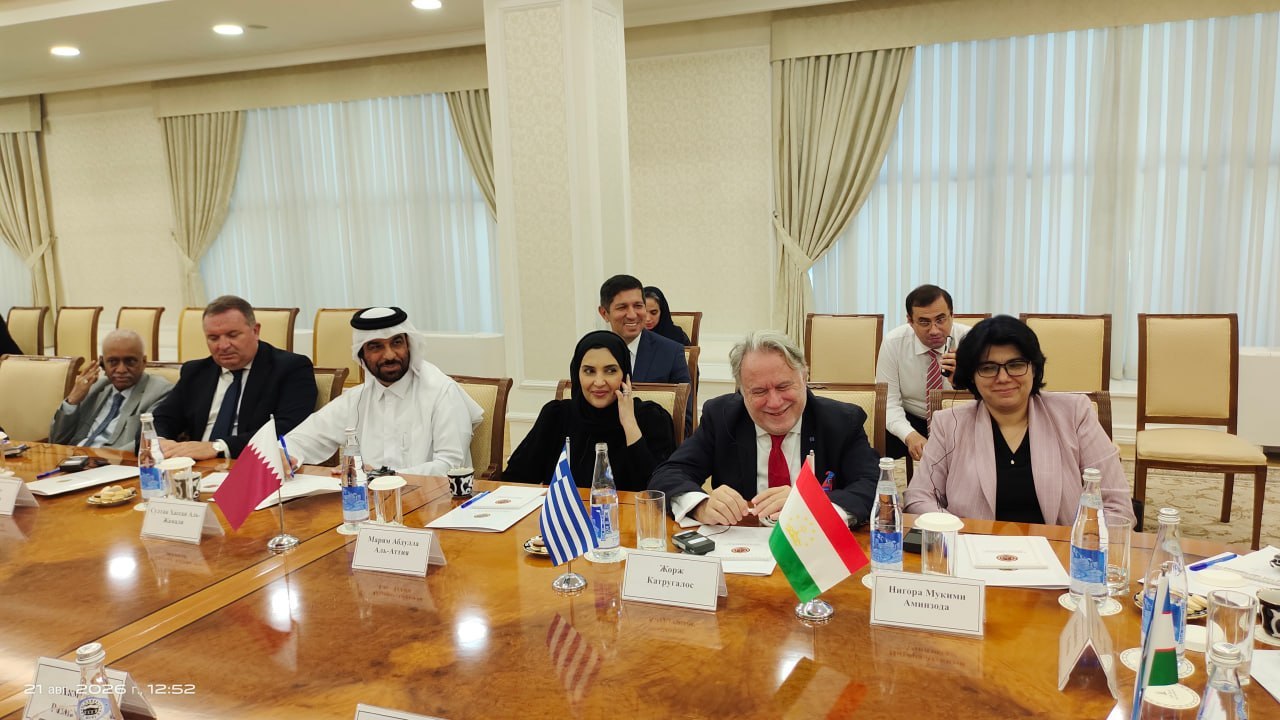
During the meeting, Georgios Katrougalos, UN Independent Expert on the promotion of a democratic and equitable international order and Professor of Public Law at the Democritus University of Thrace (Greece), and Sultan Hassan Al-Jamali, Secretary-General of the National Human Rights Committee of Qatar, expressed their gratitude for the meeting, asked questions concerning the powers of the Constitutional Court of Uzbekistan, and put forward proposals for further cooperation.
The meeting was held in a friendly atmosphere conducive to an open exchange of views and the further strengthening of mutual cooperation.