

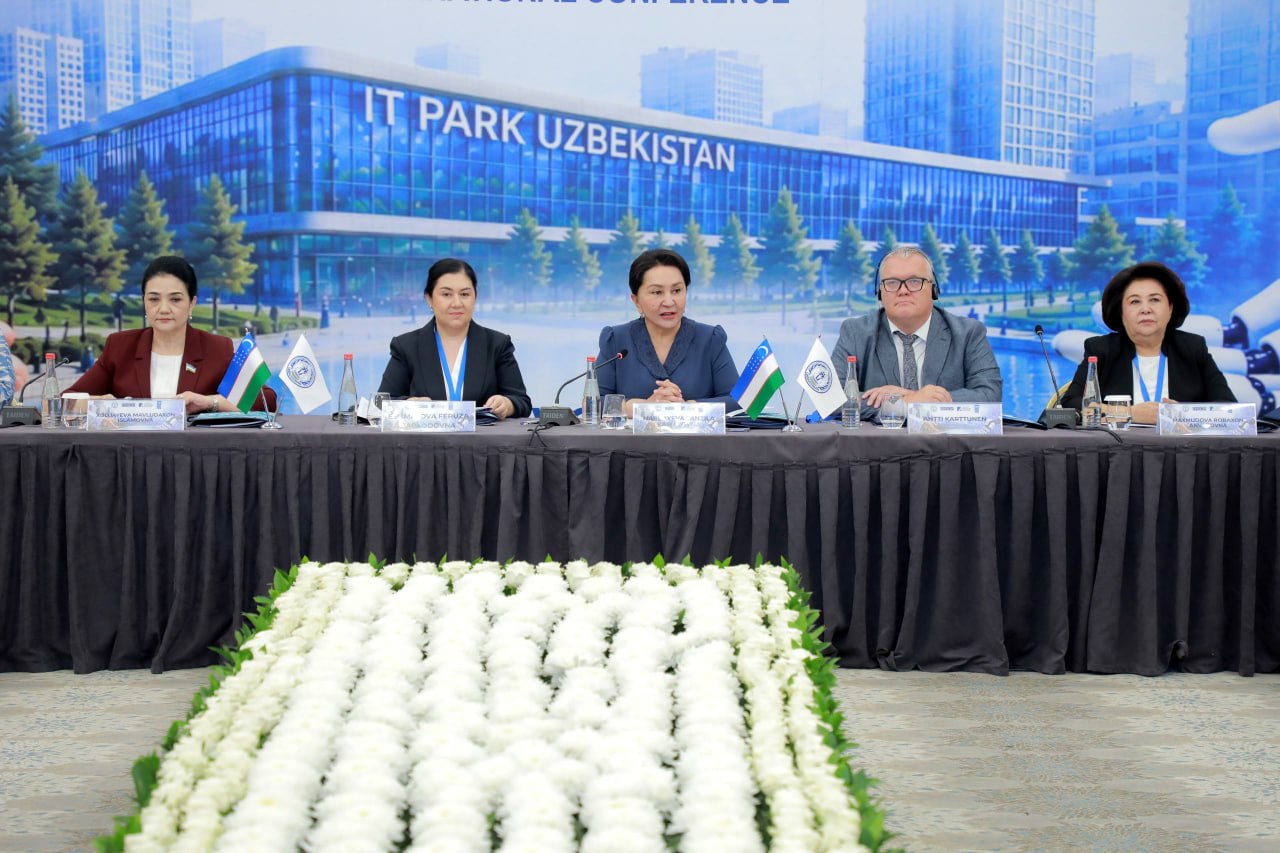
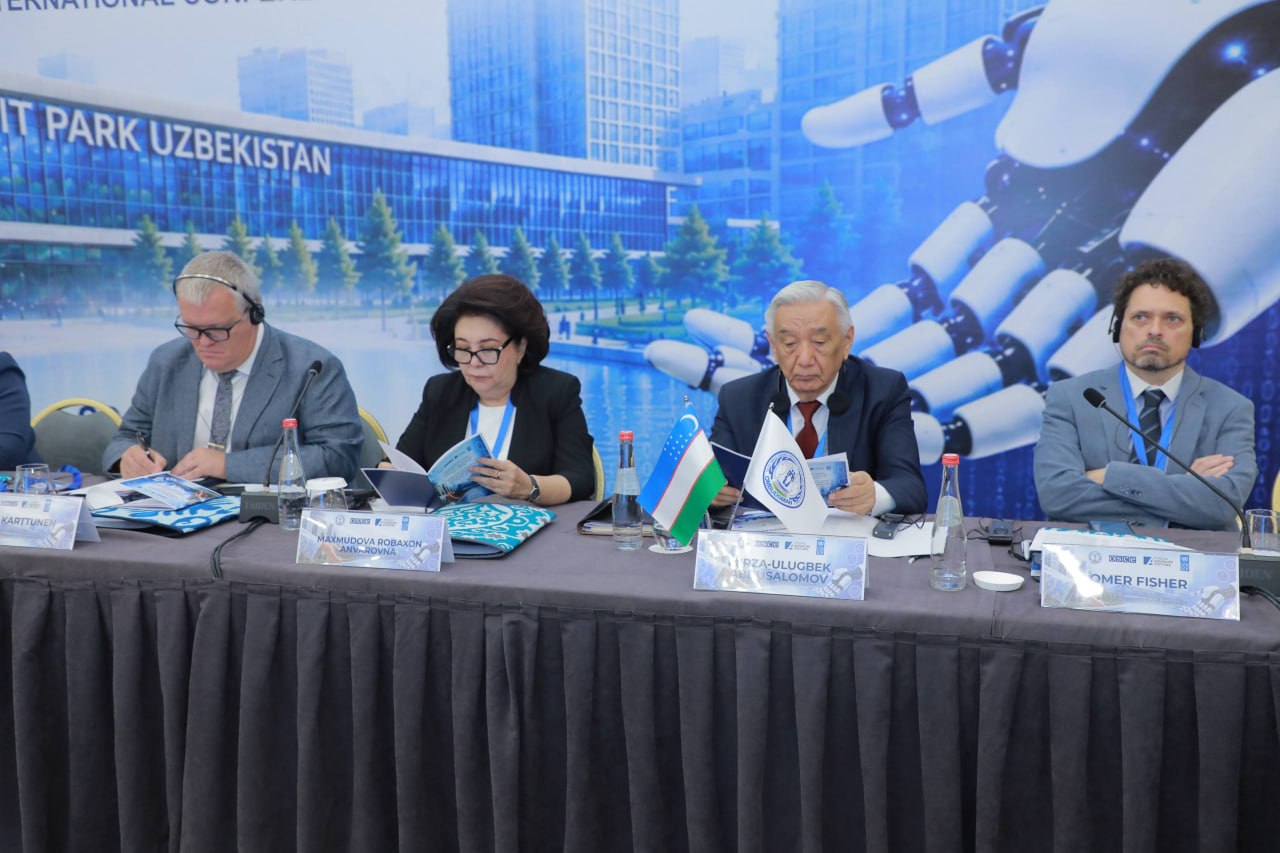
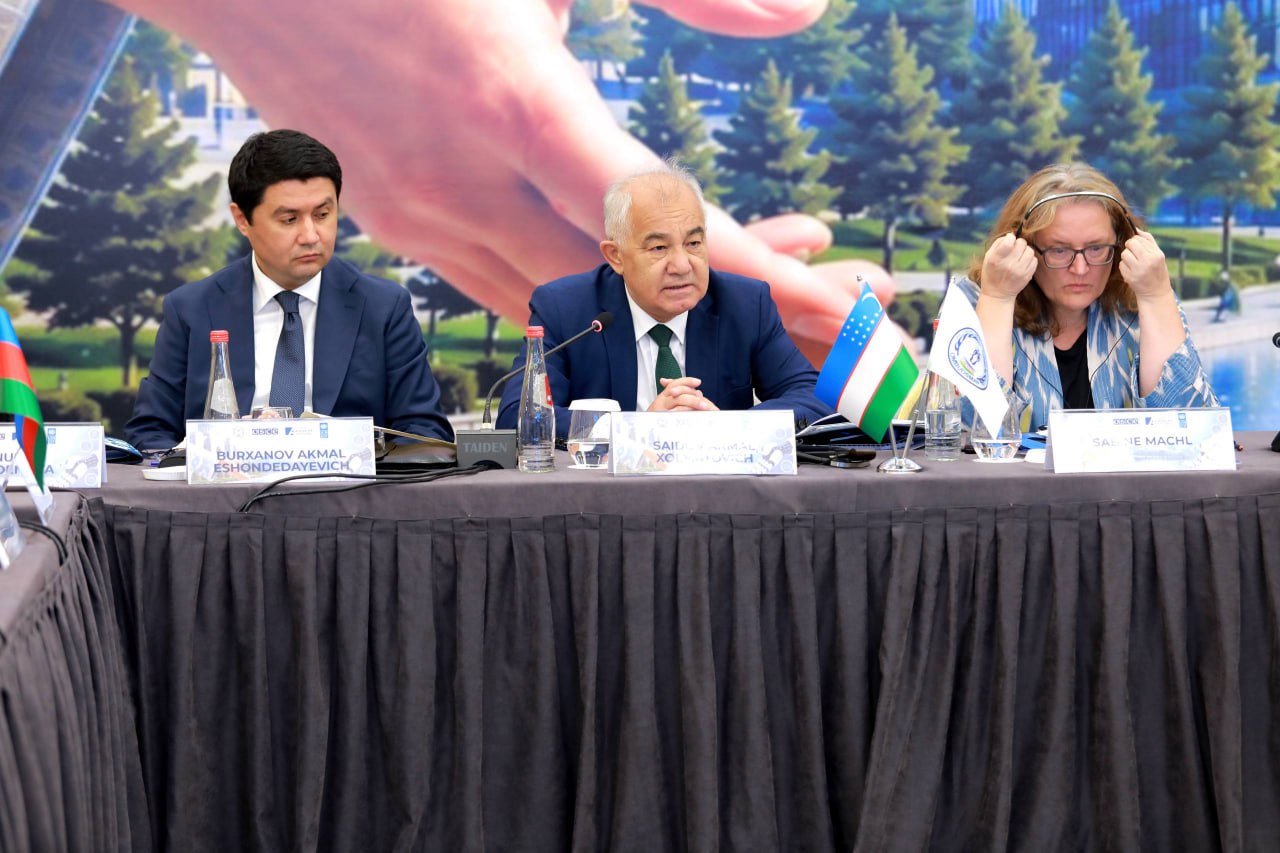
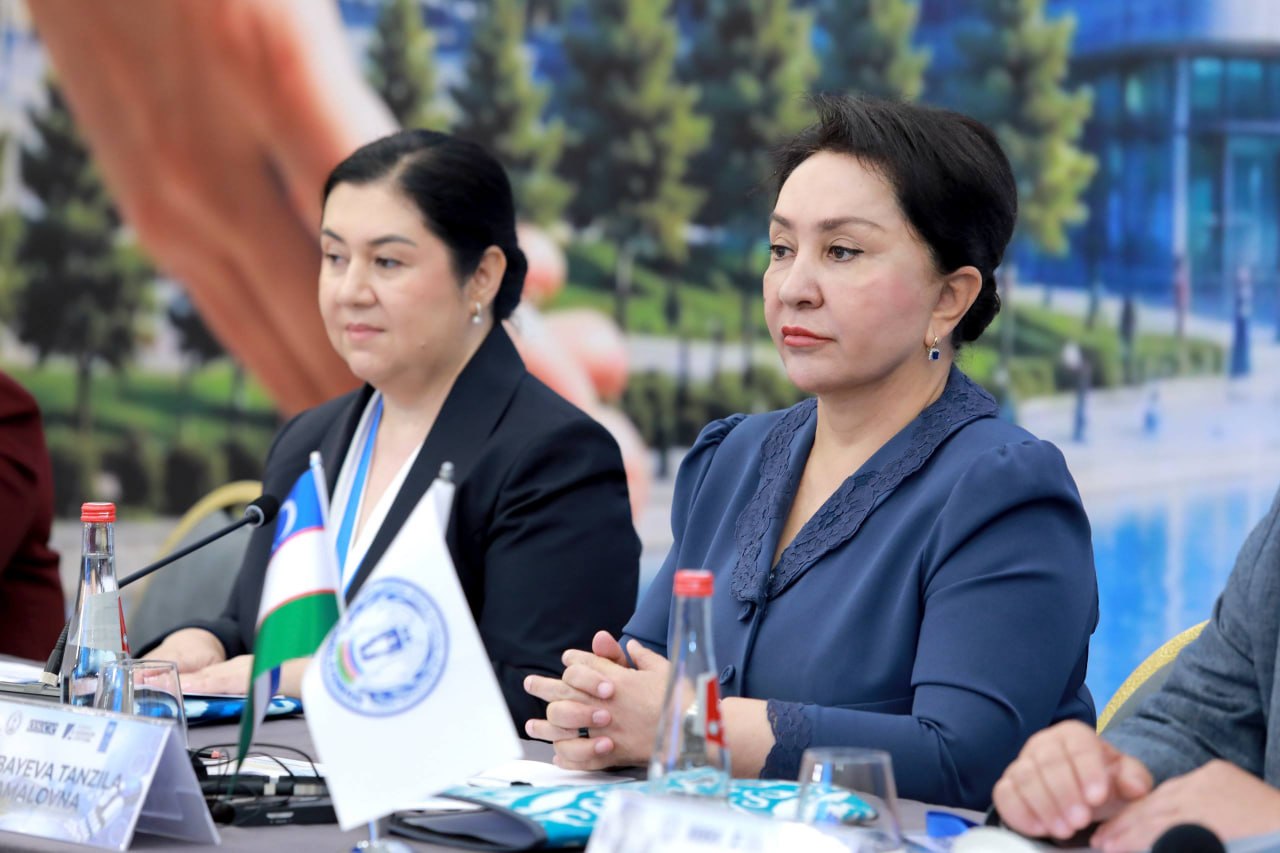
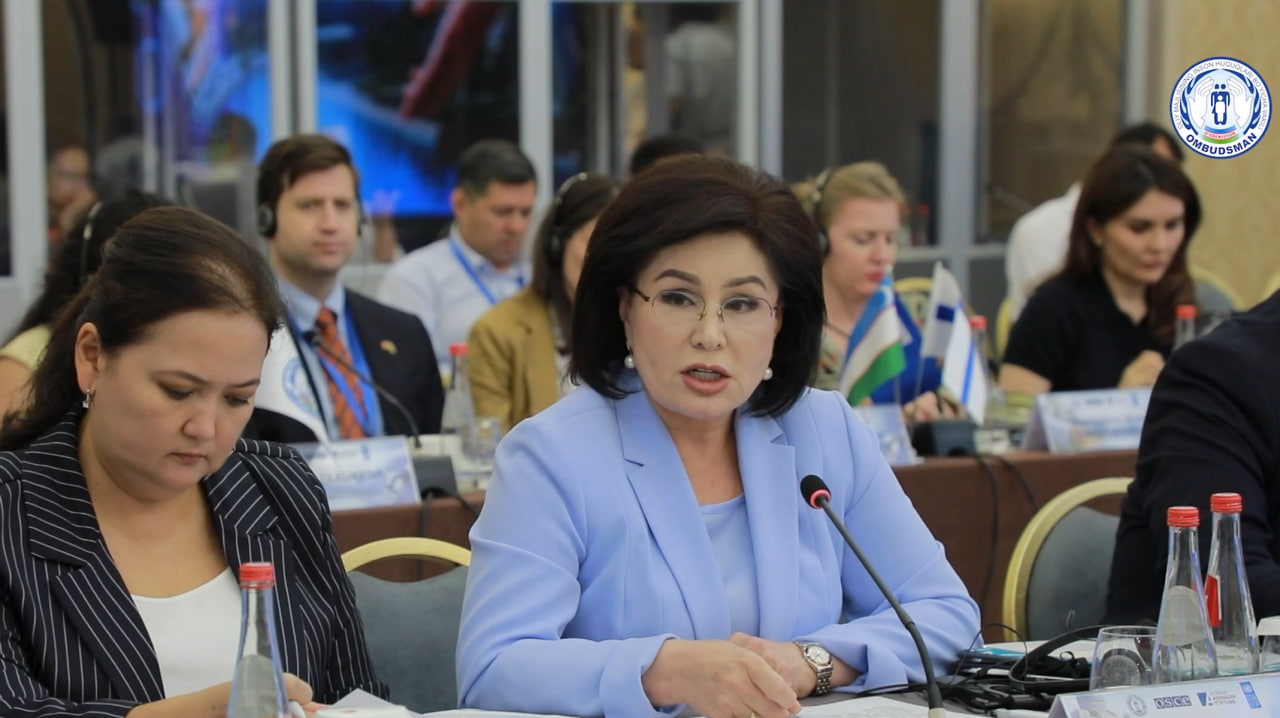
Organised on the occasion of the 35th anniversary of the state independence of the Republic of Uzbekistan, the international conference was aimed at discussing modern approaches to ensuring and protecting human rights and freedoms in the context of digital transformation, exchanging advanced international practices, and strengthening cooperation between national human rights institutions and international organisations.
Today, digital technologies are creating new opportunities for people to receive education, work, access public services, obtain information and participate in public life. At the same time, issues such as the privacy of personal data, cyberbullying, online violence and discrimination, harmful content, and equal access to digital services are emerging as new and pressing areas of human rights protection.
In this context, the conference placed particular emphasis on the principle that digital development should serve the interests of people and that human rights and dignity must remain a priority throughout the introduction of new technologies.
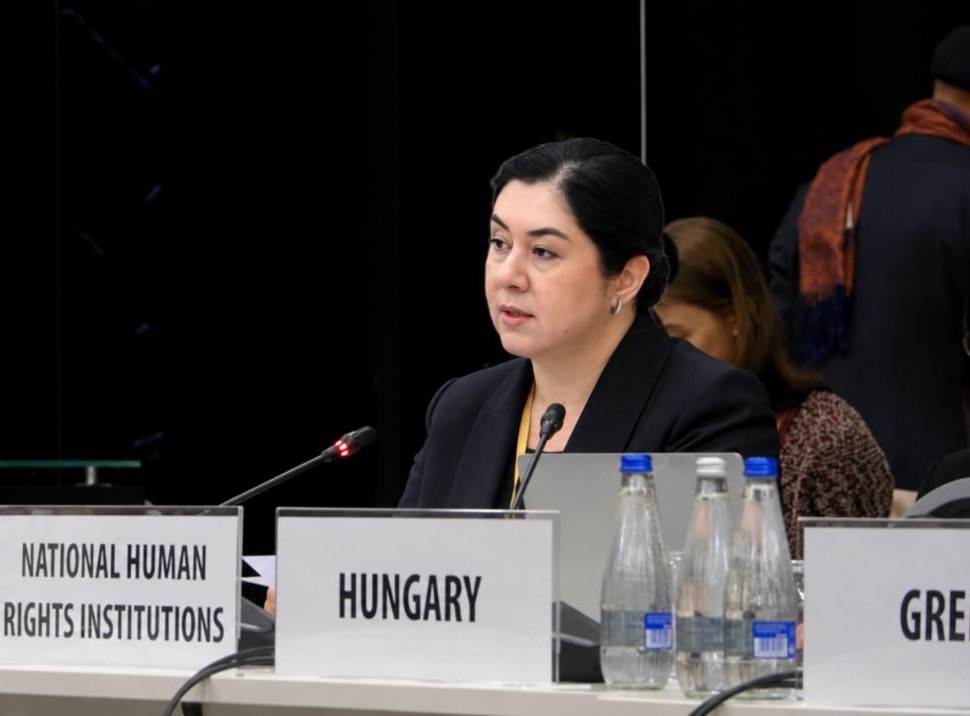
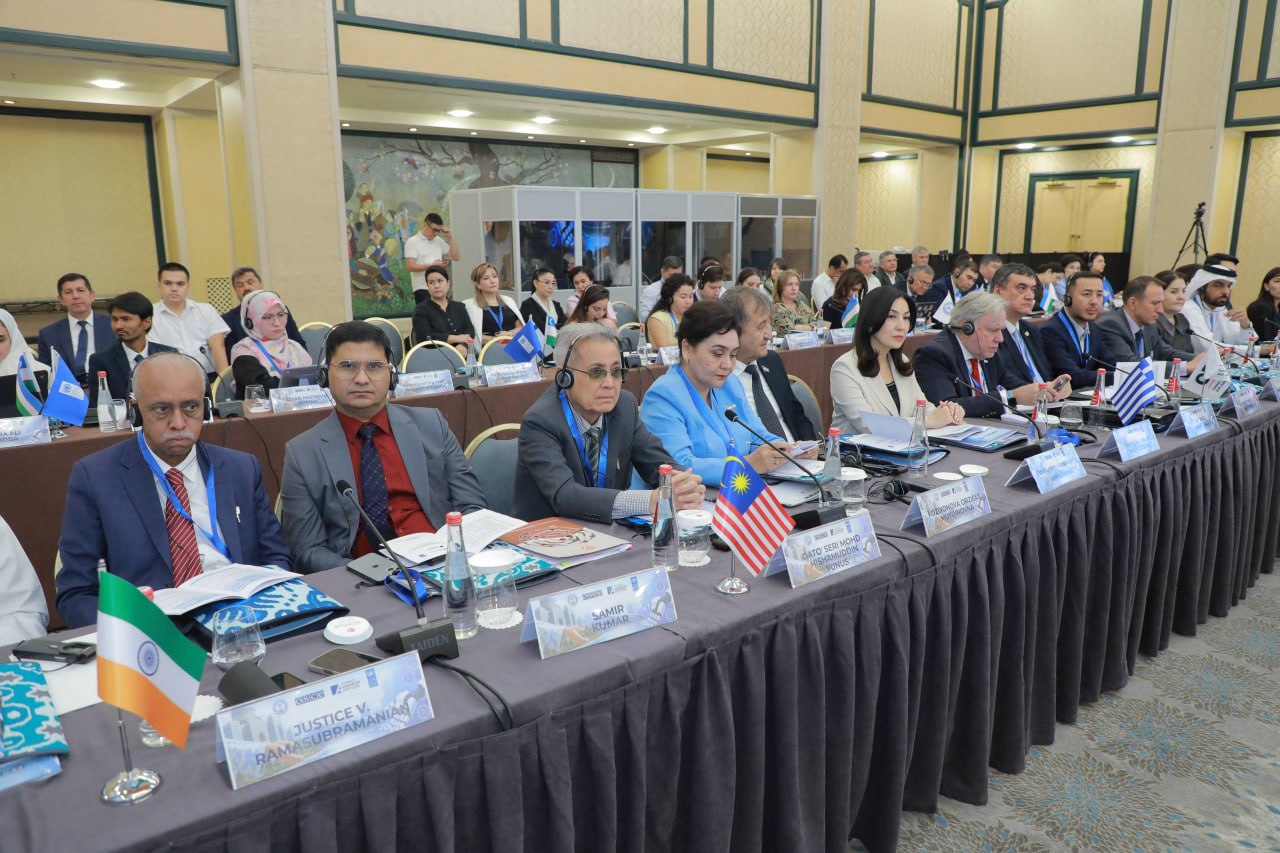
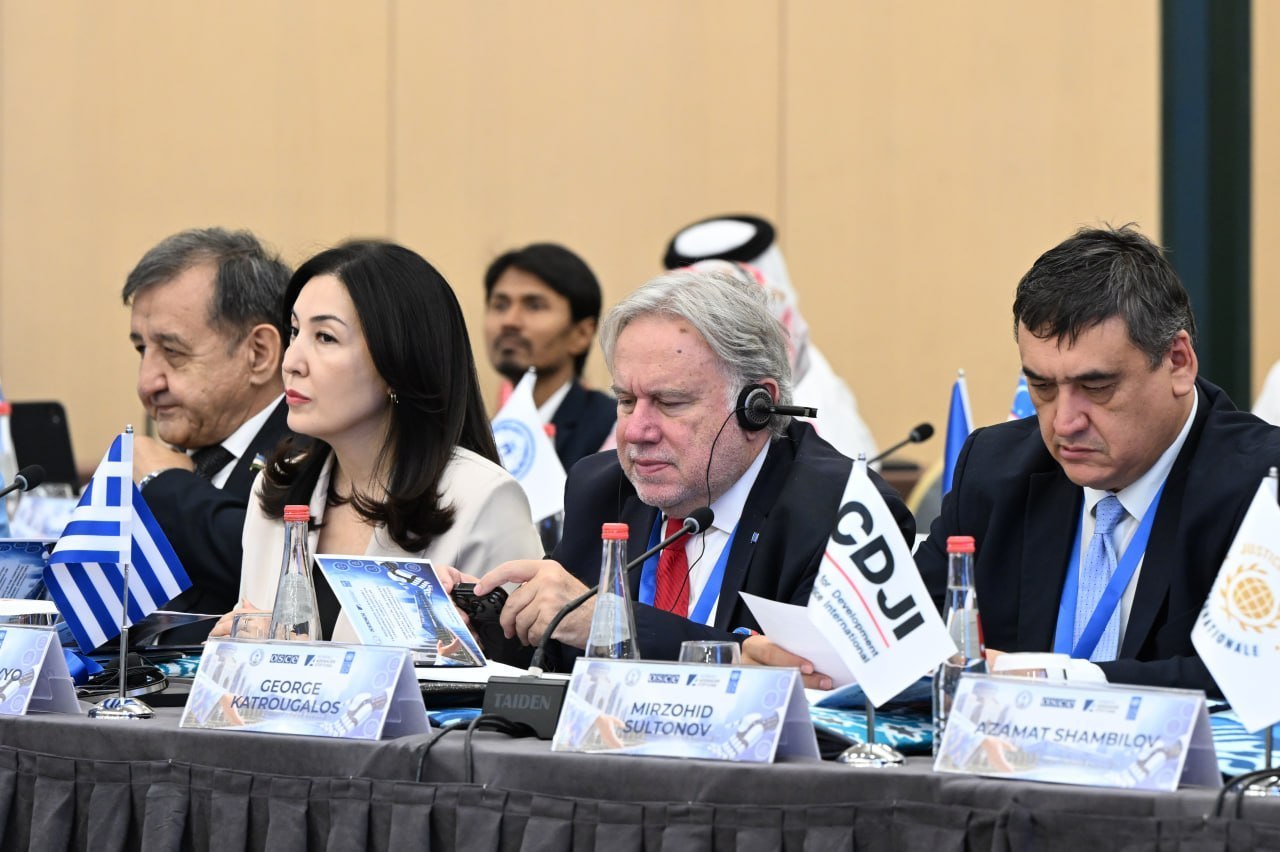
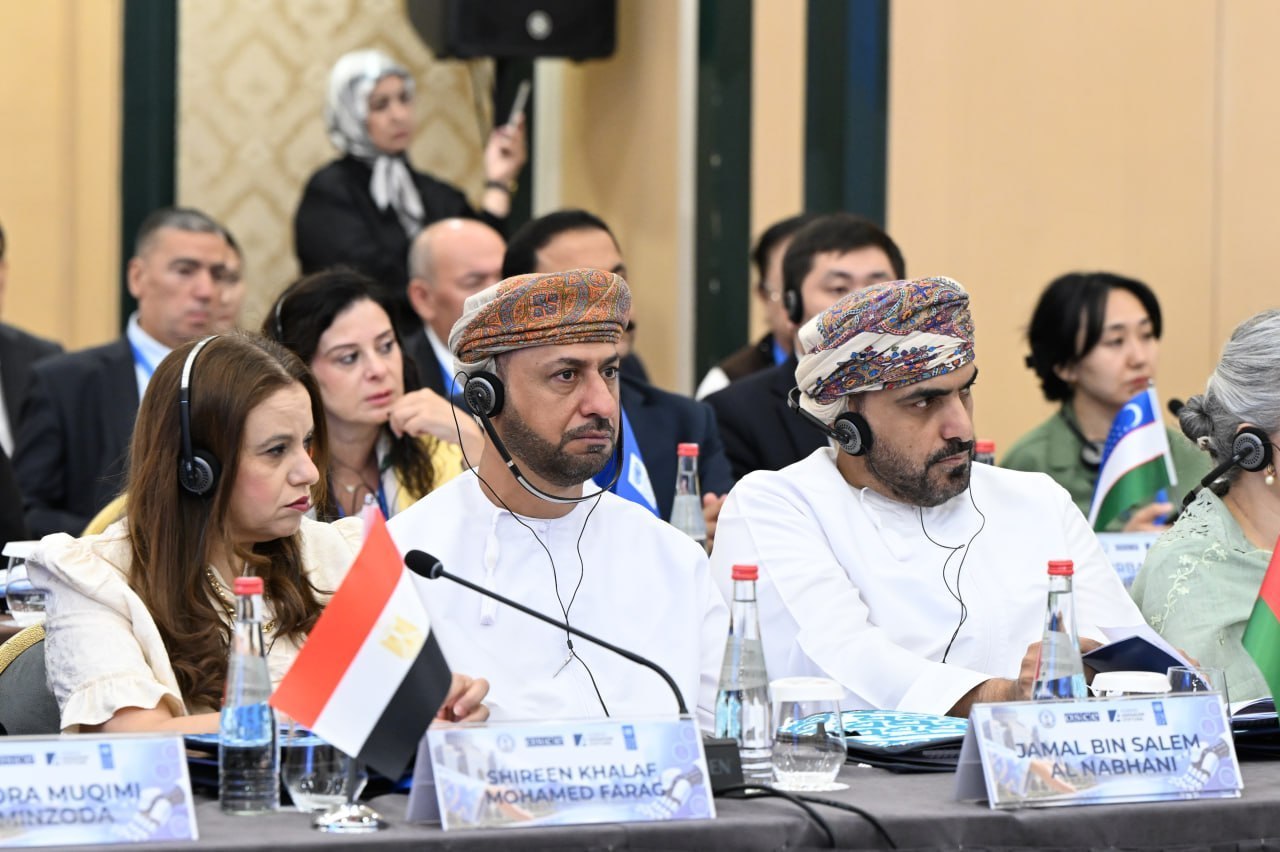
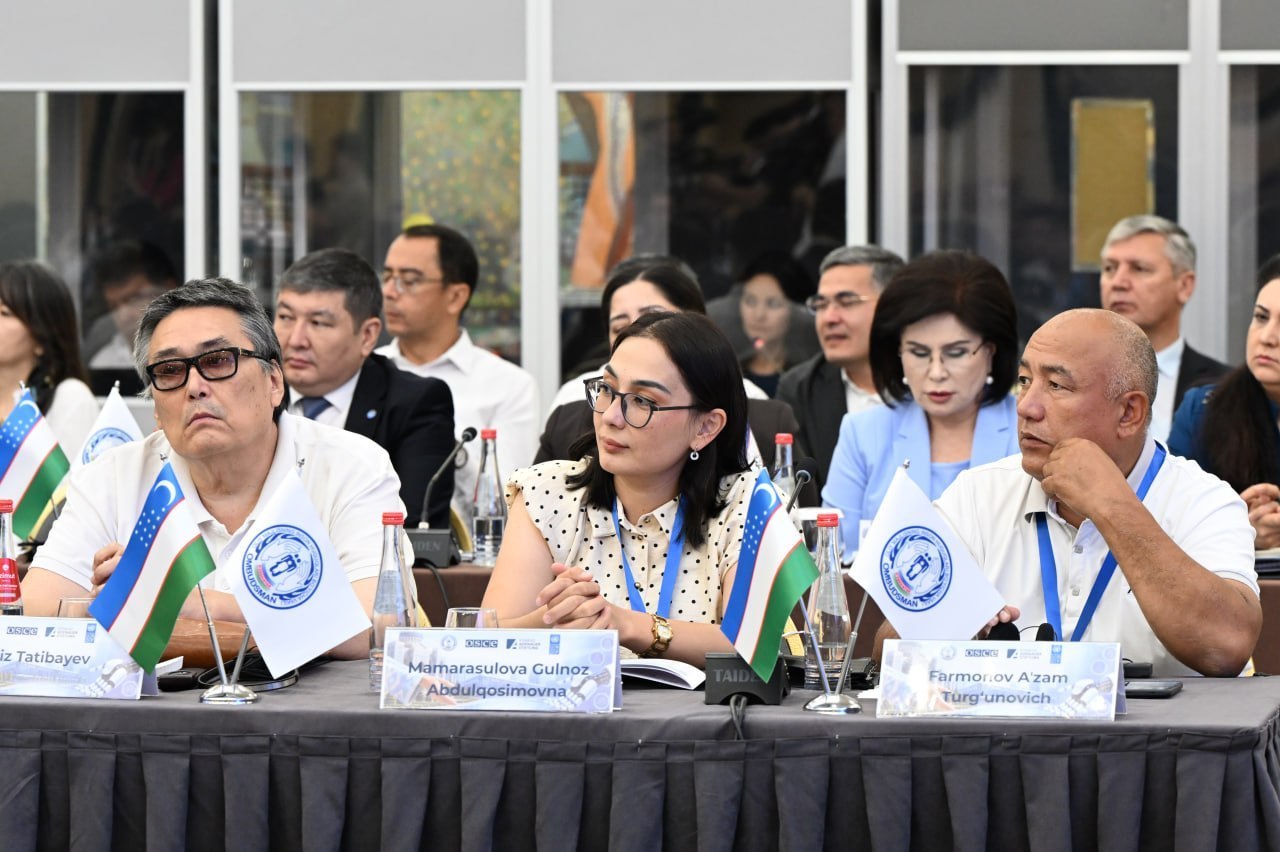
The event brought together Ombudspersons, representatives of national human rights institutions and international organisations, and experts from more than 25 countries. In particular, representatives of Greece, Georgia, Spain, Italy, Qatar, the Kyrgyz Republic, Kazakhstan, Malaysia, Egypt, Azerbaijan, Pakistan, Russia, Slovakia, Thailand, Tajikistan, Türkiye, Turkmenistan, Oman, India and Switzerland participated in the conference discussions. The event was also attended by members of Parliament, representatives of a number of state organisations, ministries and agencies, members of the diplomatic corps, members of the Commission under the Commissioner of the Oliy Majlis for Human Rights (Ombudsman), academics, representatives of civil society and non-governmental non-profit organisations, as well as representatives of the media.
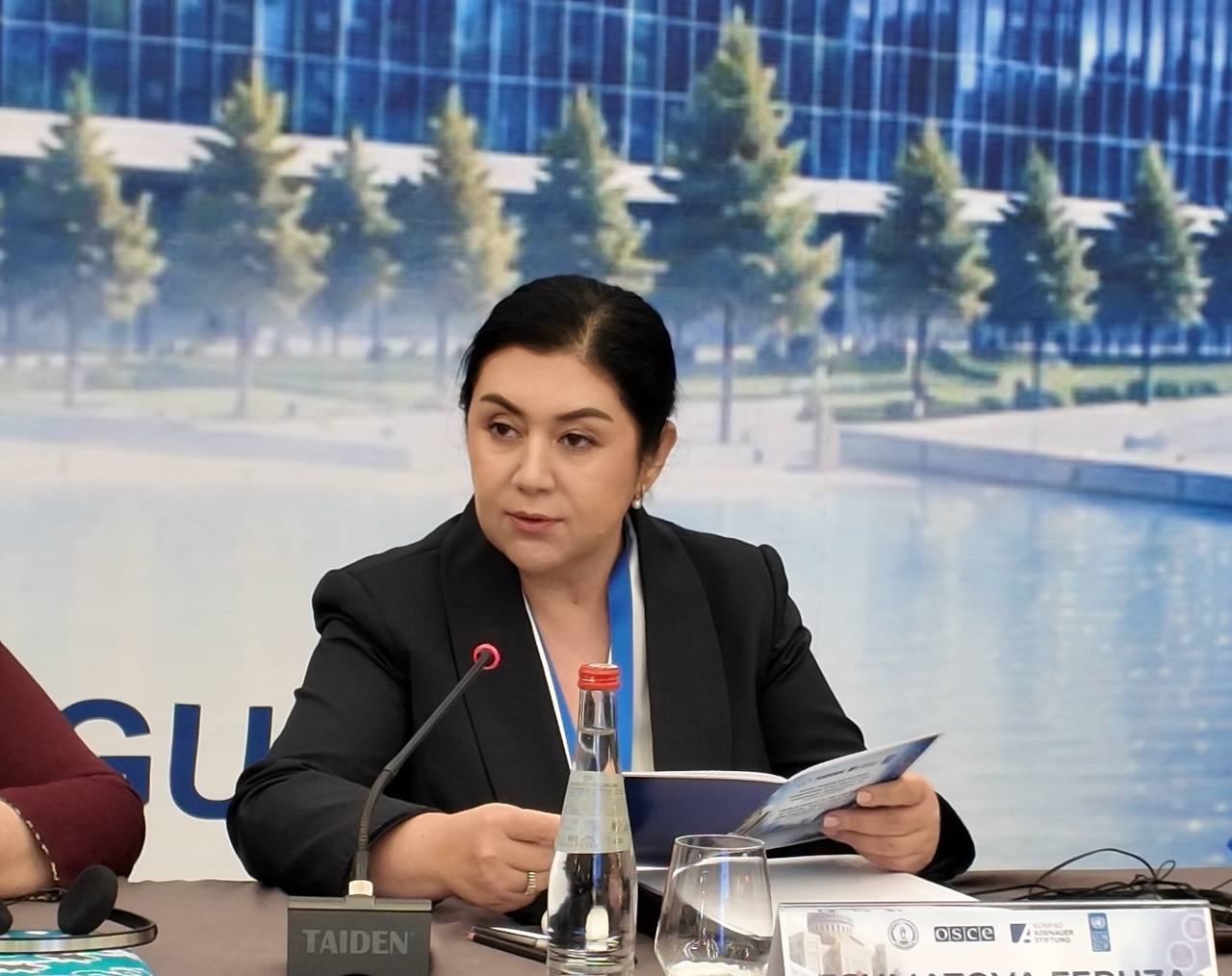
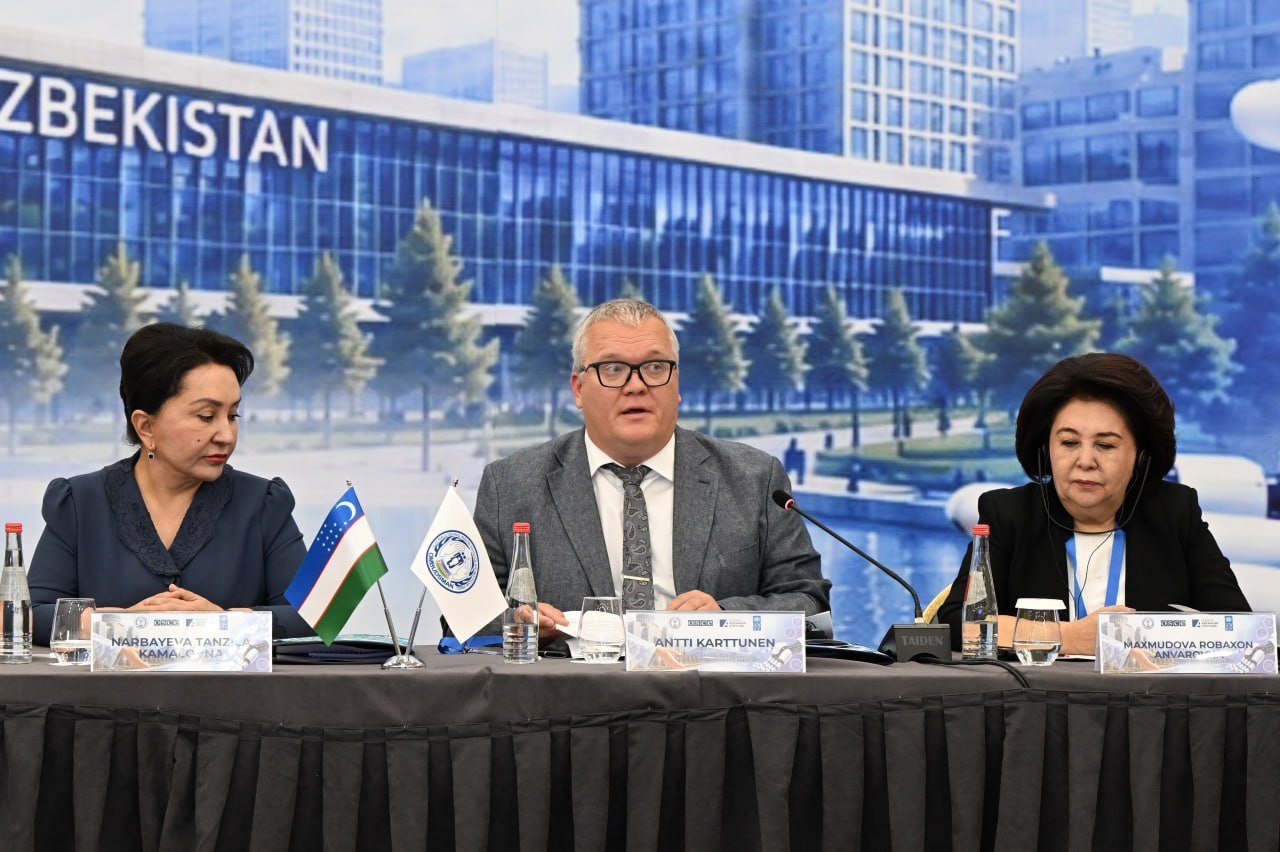
In her opening remarks, the Commissioner of the Oliy Majlis for Human Rights, Feruza Eshmatova, noted that digital transformation is creating not only new opportunities for the protection of human rights, but also new responsibilities.
“For us, digital transformation is not merely about technological modernisation; it is also about our responsibility to uphold human dignity in today’s changing environment. Today, human rights, dignity, personal data and security must be reliably protected not only in real life, but also in the online space,” said F. Eshmatova.
The Chairperson of the Senate of the Oliy Majlis of the Republic of Uzbekistan and the Deputy Speaker of the Legislative Chamber of the Oliy Majlis of the Republic of Uzbekistan, who opened the international conference, particularly highlighted the importance of the Ombudsman institution in ensuring human rights in New Uzbekistan.
The international conference continued with thematic sessions focusing on three areas requiring particular attention in ensuring human rights in the digital environment.
The international conference continued its work in three thematic sessions.
The sessions addressed the following issues:
- ensuring women’s rights and gender equality in the digital world and protecting women from online violence, cyber threats and digital discrimination;
- protecting the rights of young people in the context of digital transformation, ensuring online safety, preventing cyberbullying and protecting personal data;
- developing inclusive digital services for persons with disabilities and ensuring equal access to information and electronic public services.
During the discussions, participants emphasized the importance of strengthening a human rights-based approach to the use of digital technologies and artificial intelligence, ensuring that certain groups of the population are not excluded from the new opportunities created by technological progress, promoting digital inclusion, and strengthening the role of national human rights institutions in these processes.
A number of documents aimed at further strengthening the cooperation of the Commissioner of the Oliy Majlis for Human Rights (Ombudsman) with national and international partners were signed within the framework of the conference. In particular, cooperation documents were signed with the National Human Rights Committee of Qatar, the Human Rights Commission of Malaysia and other institutions.


At the conclusion of the conference, the Tashkent Declaration was adopted, reflecting the participants’ common approaches to ensuring human rights and freedoms in the context of digital transformation, strengthening international cooperation, promoting digital inclusion, ensuring the responsible use of digital technologies and artificial intelligence, and improving legal and institutional mechanisms for the protection of human rights in the digital environment.
Press Service of the Commissioner of the Oliy Majlis for Human Rights (Ombudsman)