


During the monitoring visits, the conditions of sleeping places of persons held in the institutions, shower rooms, canteens, medical departments, provision and storage conditions of food products and medicines, libraries, cultural leisure rooms, telephone communication facilities, rooms for short-term and long-term visits, rooms for searches, investigators and meetings with lawyers, walking yards, as well as the condition of video surveillance cameras installed within the institutions were examined.
Some shortcomings were identified during the monitoring. In particular, at the Republican Specialized Scientific and Practical Narcology Center in Jalakuduk district, responsible security personnel failed to arrive after the security service had been called through a special emergency button installed at the facility.
It was also established that the transition of the security service to a 12-hour work schedule has created certain difficulties. In particular, staff of the Center noted that in many cases involving conflicts caused by persons in a state of intoxication, security personnel are absent from the workplace. In this regard, a proposal was put forward to introduce a 24-hour duty regime at the security post.
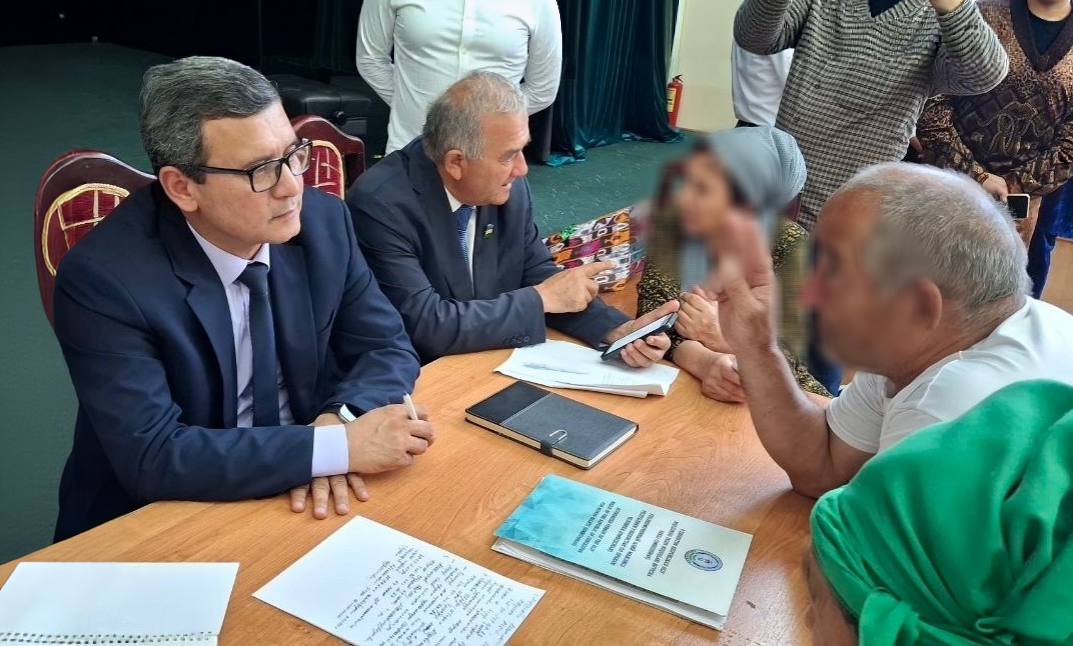
Appeals received through the “Ombudsman Boxes,” as well as during confidential receptions, were taken under control. Legal explanations were provided on-site regarding certain appeals.
Based on the monitoring results, Ombudsman documents in the form of response measures concerning the identified shortcomings were submitted to the relevant ministries and agencies.
Press Service of the Commissioner of the Oliy Majlis for Human Rights (ombudsman)