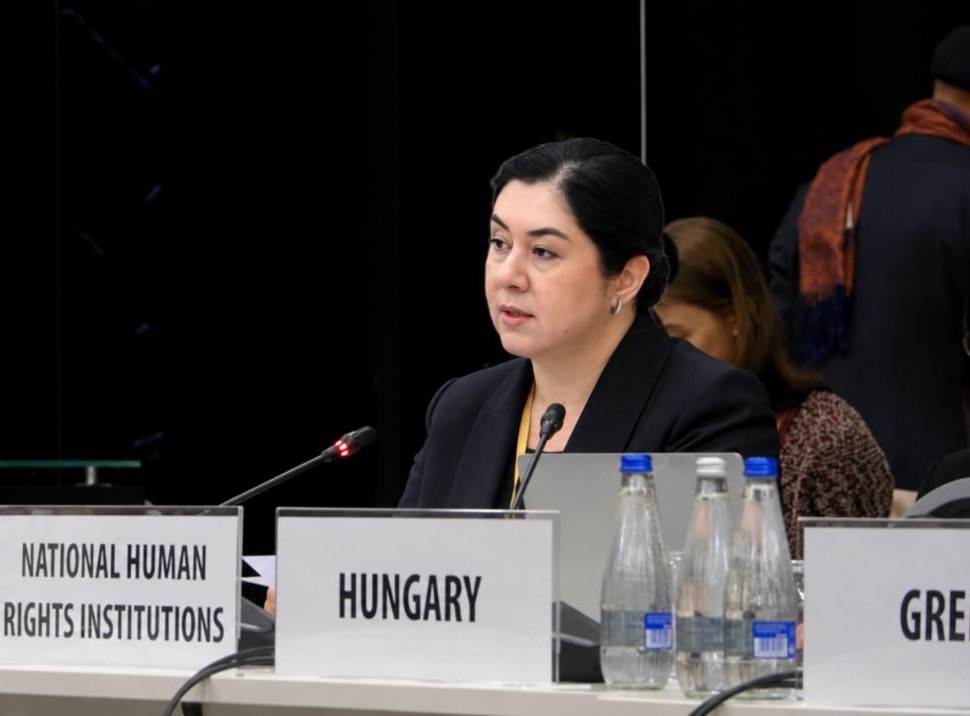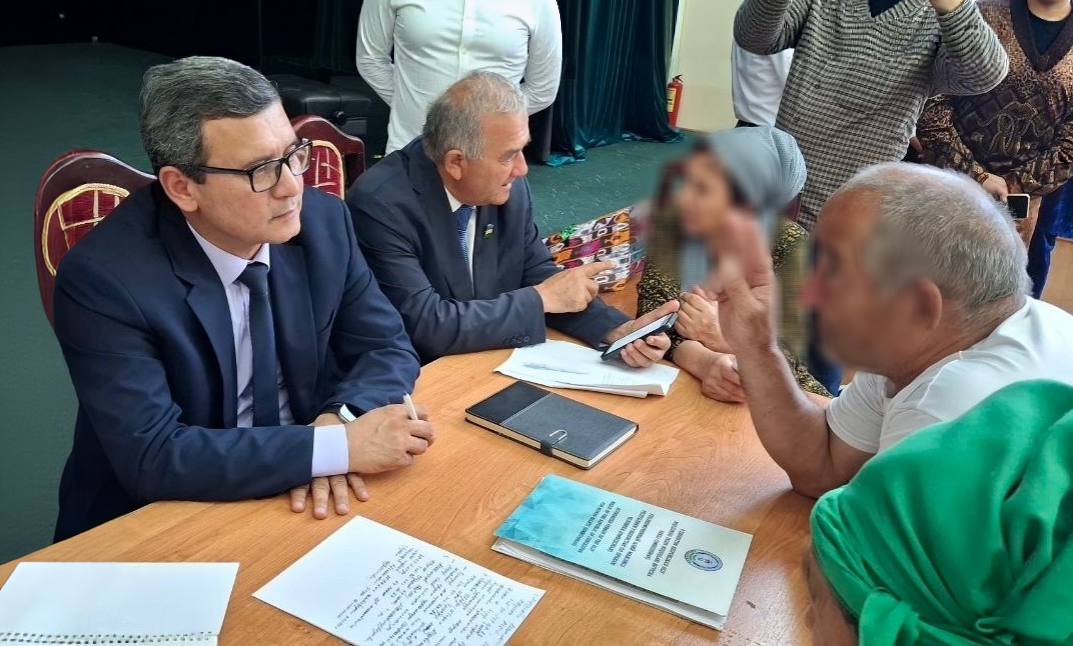

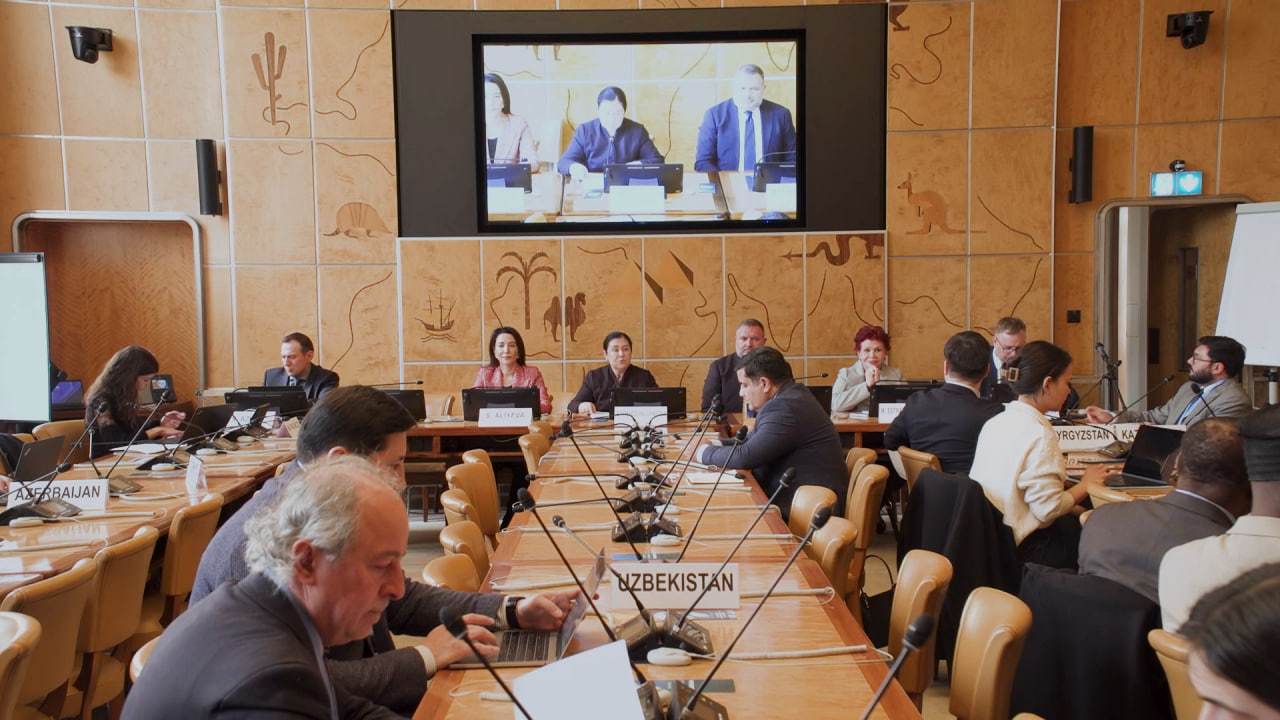
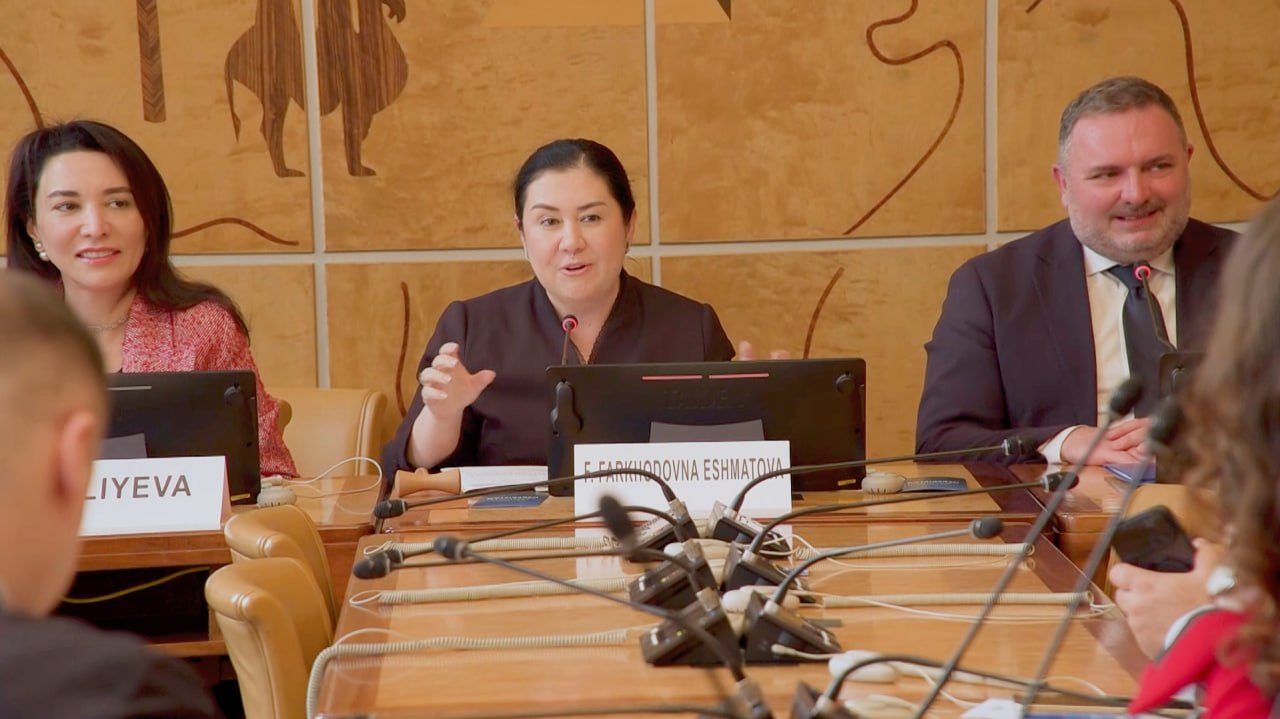
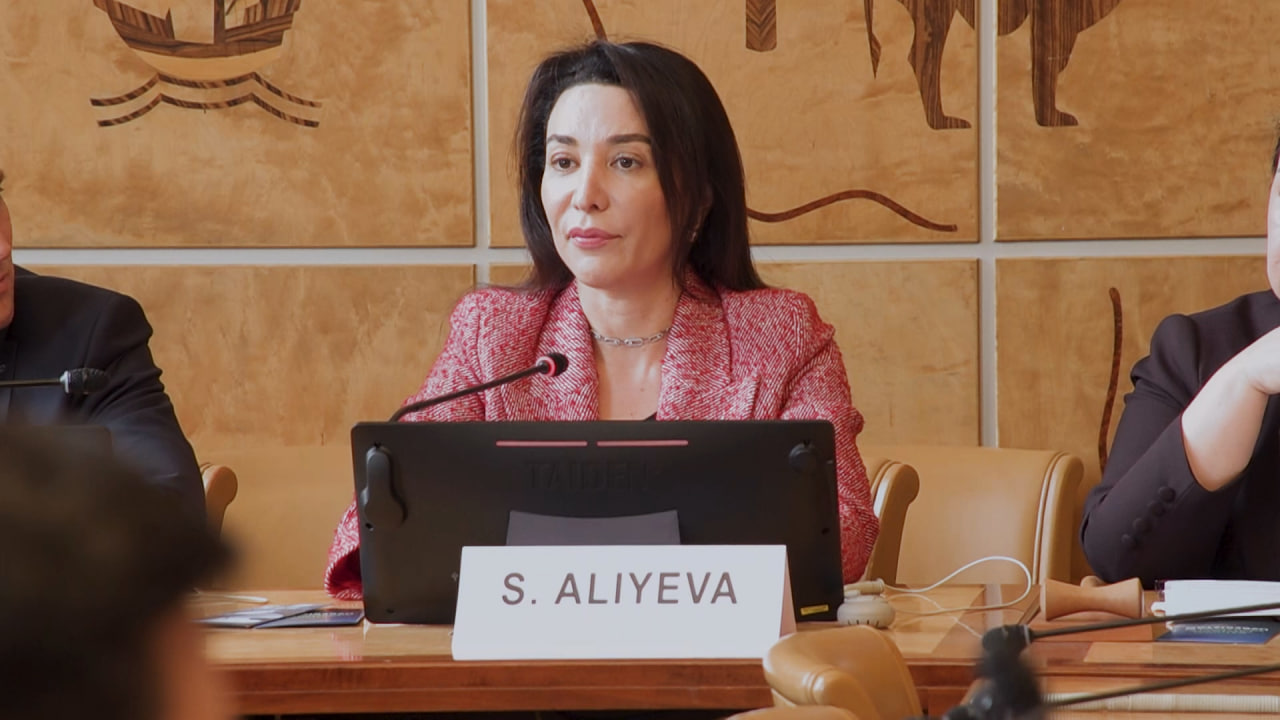
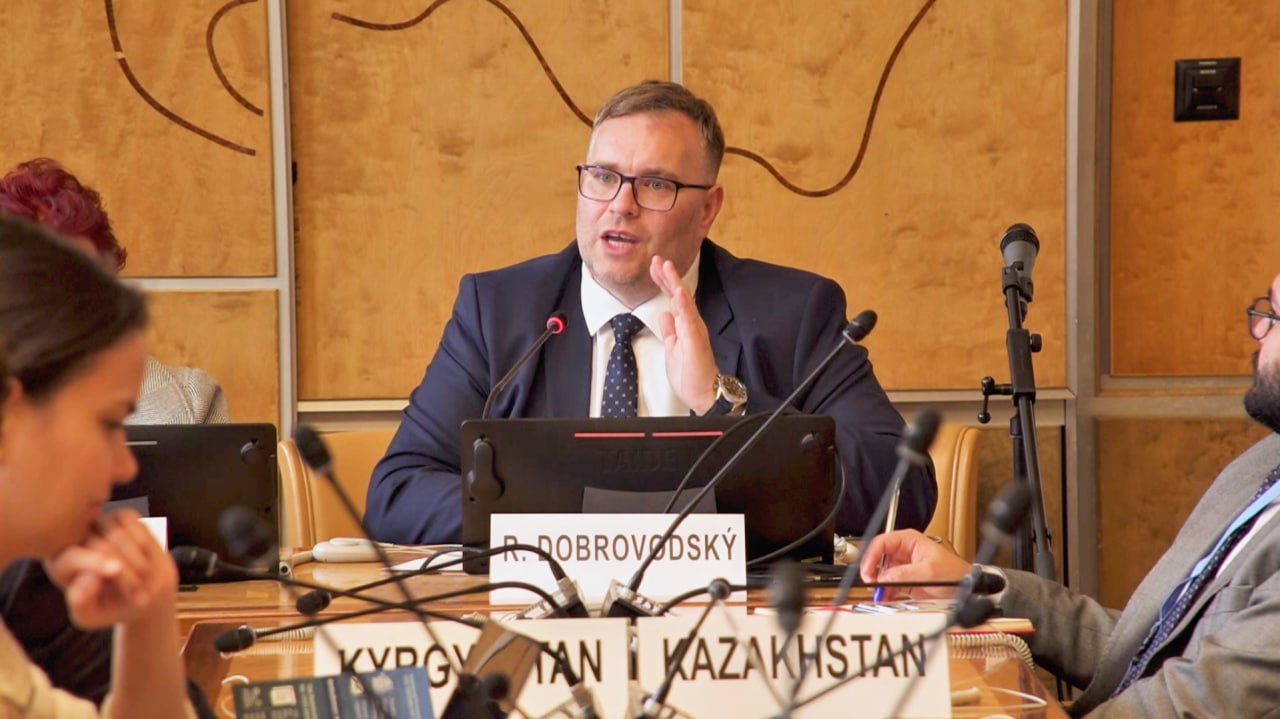
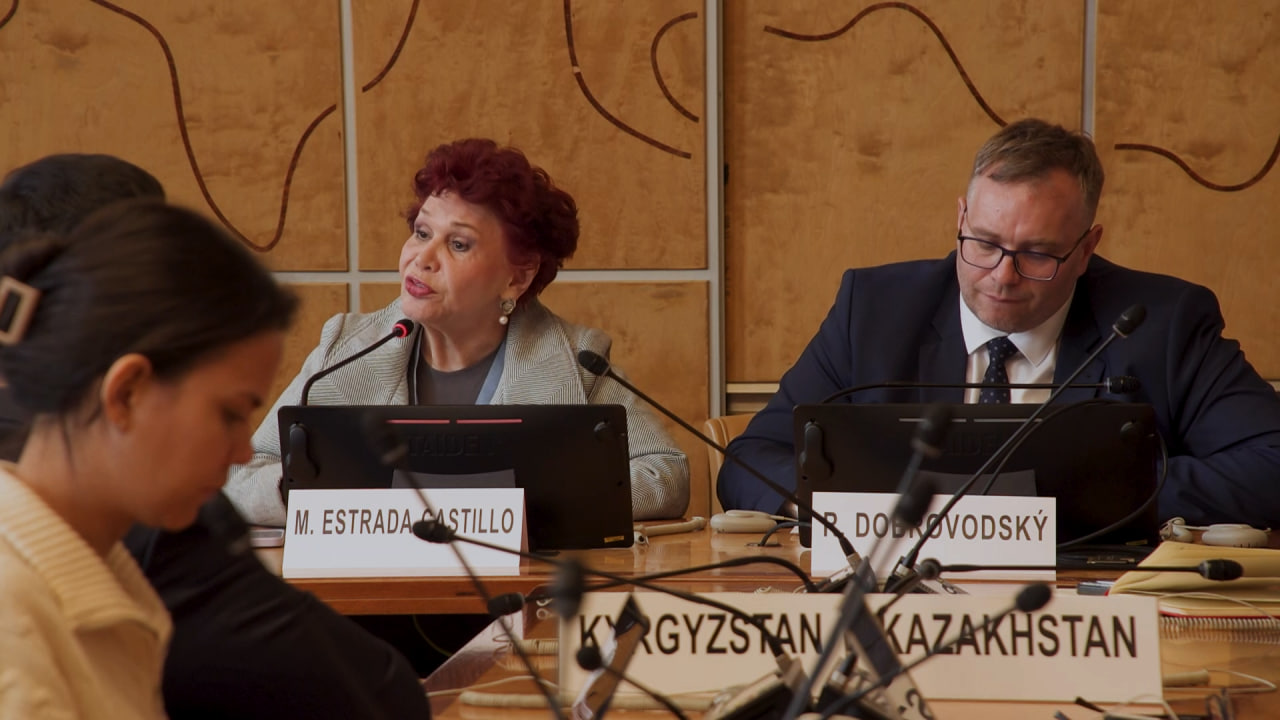
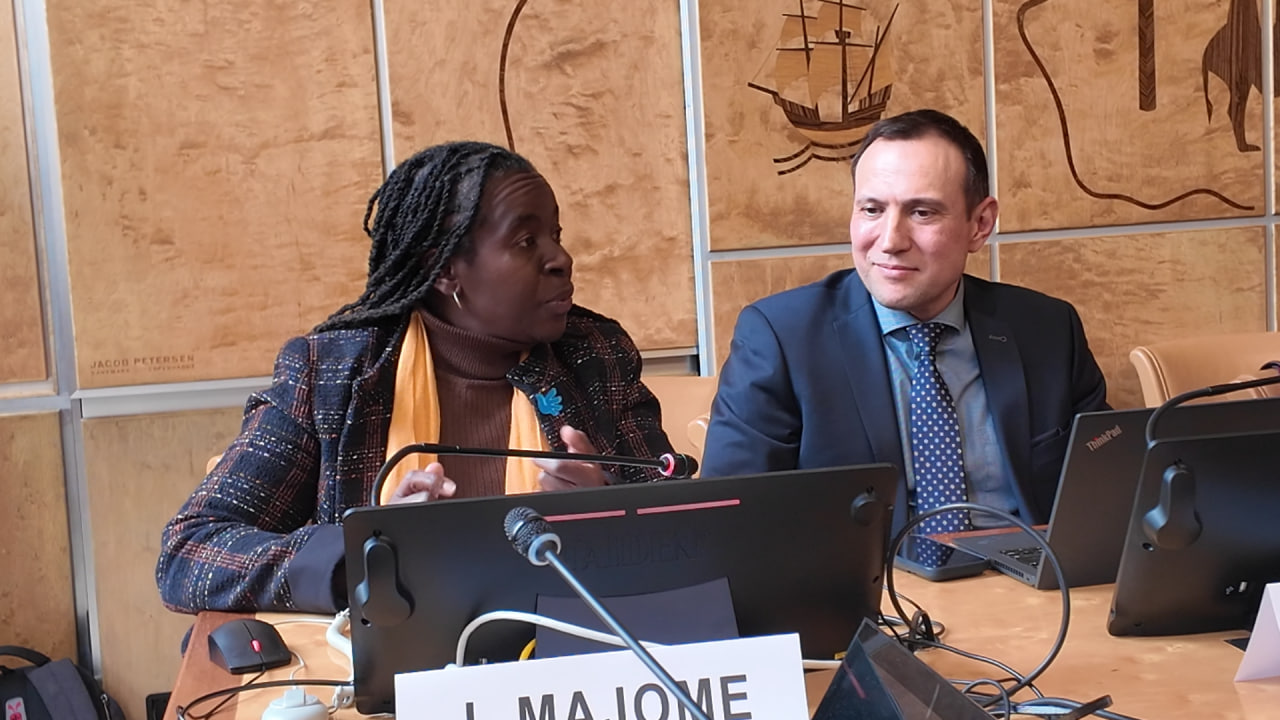
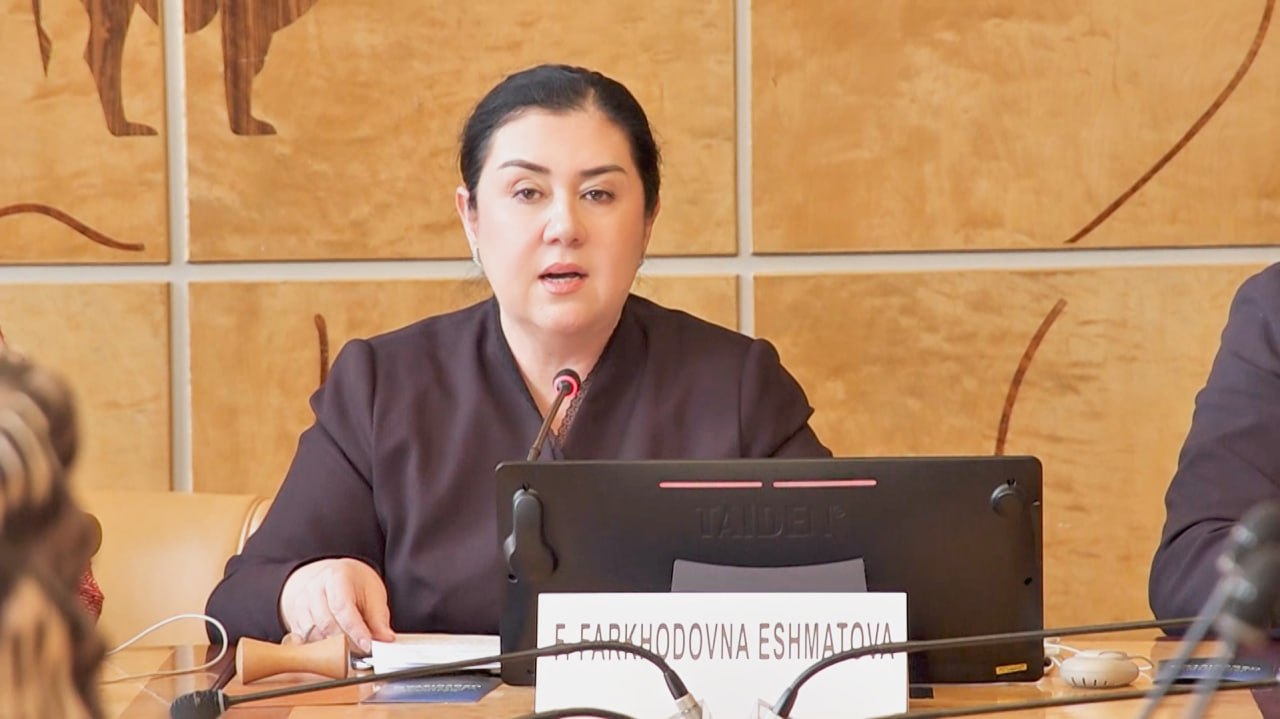
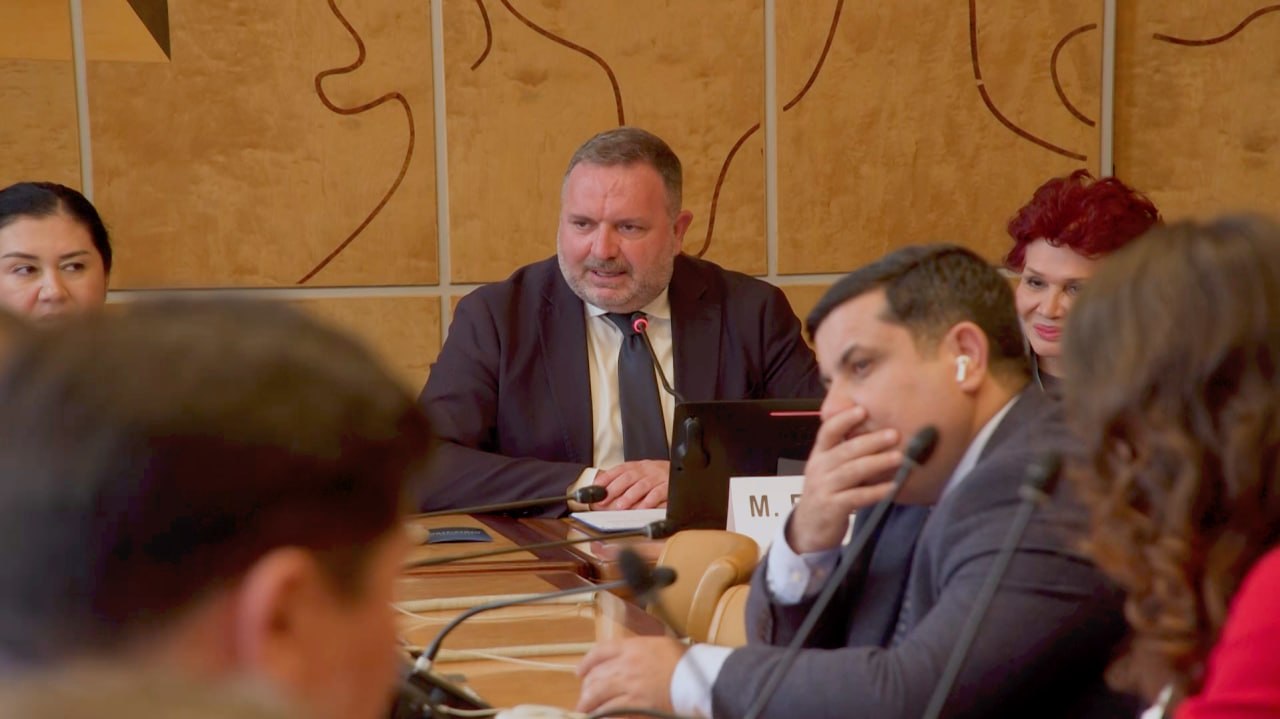
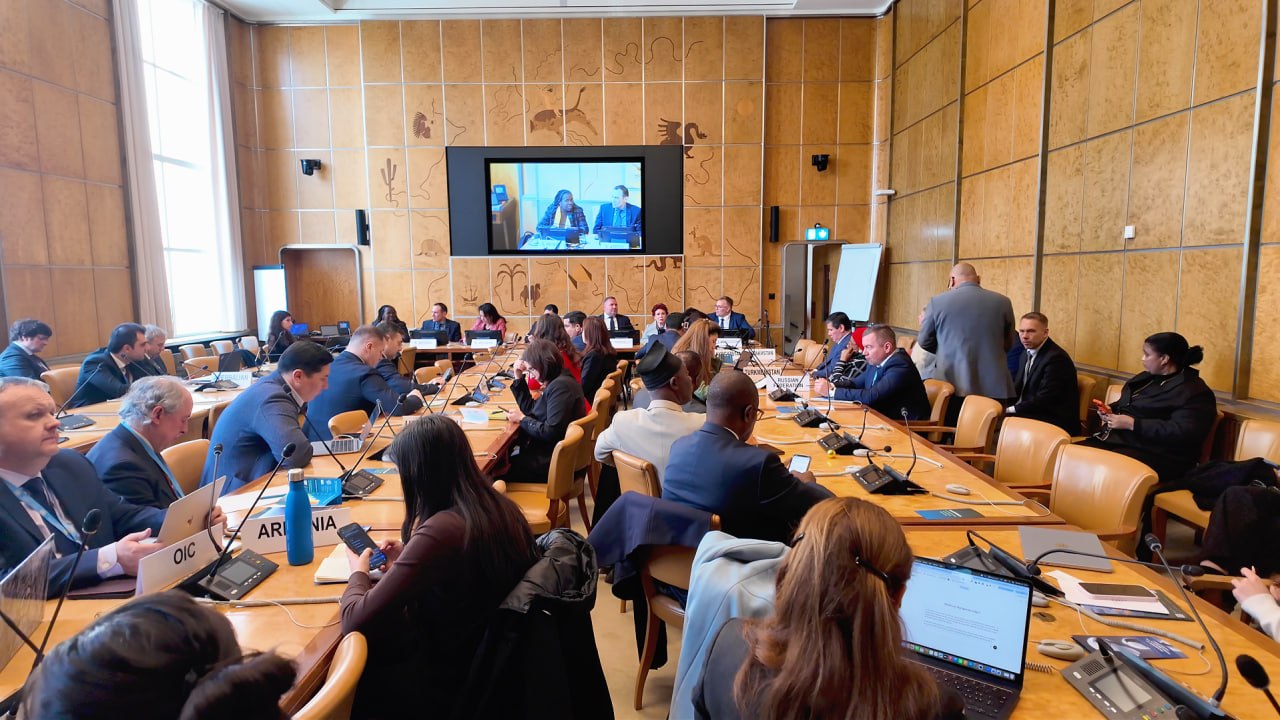
The event was attended by ombudspersons from more than 20 countries, as well as representatives of various international organizations.
Today, we live in a rapidly evolving digital society where the virtual environment has become an integral part of everyday life. Digitalization is not merely the introduction of technologies, but a profound transformation of lifestyles, thinking, and social relations, bringing not only new opportunities but also new challenges and risks.
These include the rise of online discrimination and violence, attacks on personal data, the spread of disinformation, the growing influence of artificial intelligence on decision-making processes, and the dissemination of harmful content on the internet.
In the context of rapid digital development, the protection of human rights in the online environment has become one of the key priorities. In this regard, national human rights institutions play an important role.
During the event, participants discussed the adaptation of national human rights institutions to the digital environment, protection of personal data and privacy, prevention of online discrimination and violence, the use of digital mechanisms in receiving and processing complaints, as well as emerging challenges related to artificial intelligence.
The main objective of the side event was to facilitate the exchange of best practices among national human rights institutions from different regions, discuss modern approaches to protecting human rights in the digital space, highlight the experience and initiatives of the Ombudsman of Uzbekistan, and strengthen international cooperation.
In particular, opening the event, the Commissioner of the Oliy Majlis of the Republic of Uzbekistan for Human Rights (Ombudsman), Feruza Eshmatova, presented information on ongoing digitalization reforms in the country, as well as the consistent introduction of modern mechanisms for protecting human rights and freedoms in line with the evolving needs of society.
The event featured participation from ombudspersons of Azerbaijan, Italy, and Slovakia, representatives of the Zimbabwe Human Rights Commission, experts from international organizations and the United Nations system, including Justice pour Tous Internationale (JPTi), who shared advanced practices and approaches in protecting human rights in the digital environment.
The event brought together national human rights institutions and international experts from four continents (Asia, Europe, Africa, and Australia), serving as an important platform for experience exchange in the field of digital human rights protection.
At the conclusion of the event, participants agreed on the need to strengthen the protection of digital rights at the national level, expand international cooperation in this area, and reinforce continuous dialogue among national institutions.
Press Service of the Commissioner of the Oliy Majlis for Human Rights (Ombudsman)