
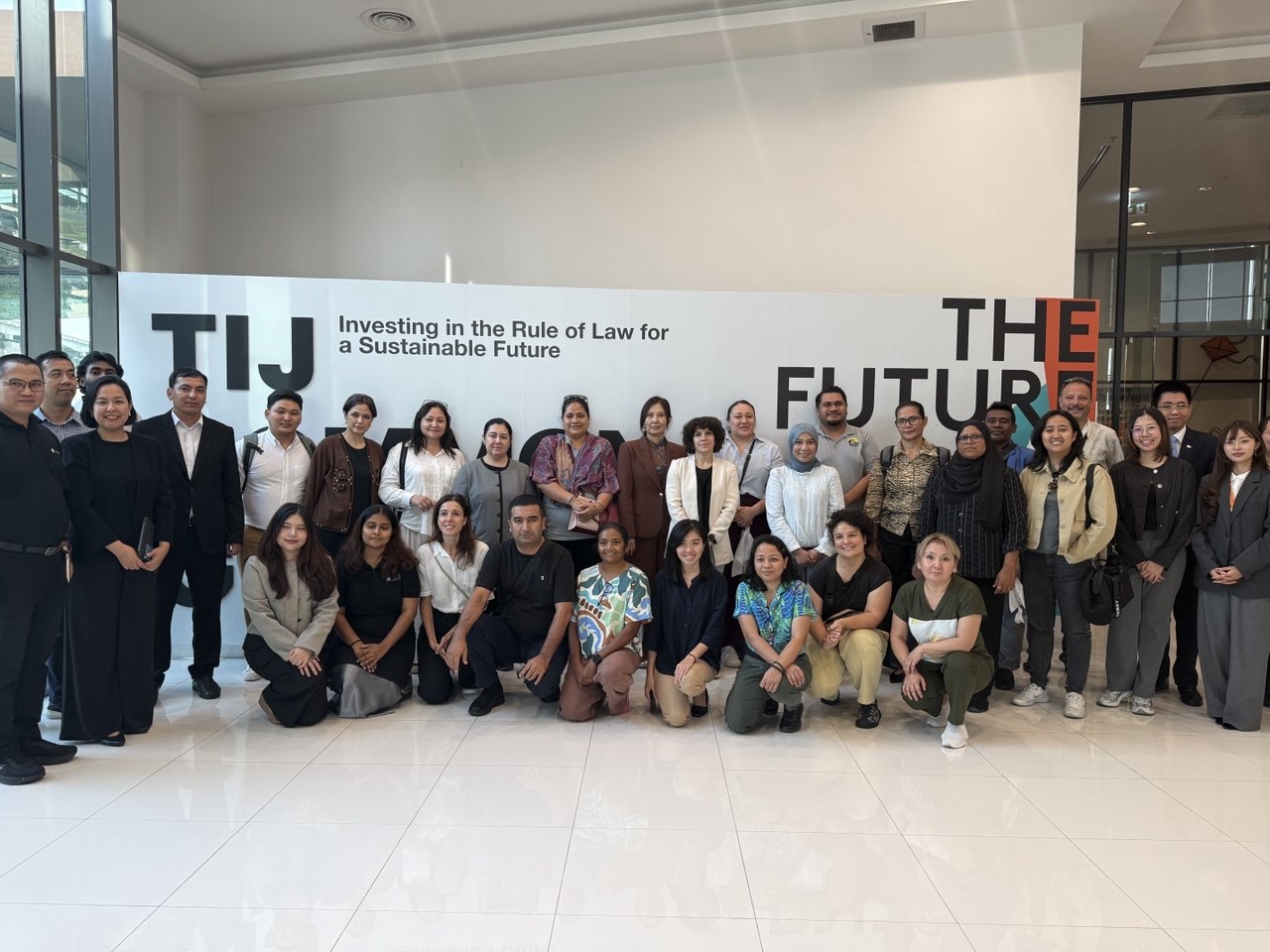
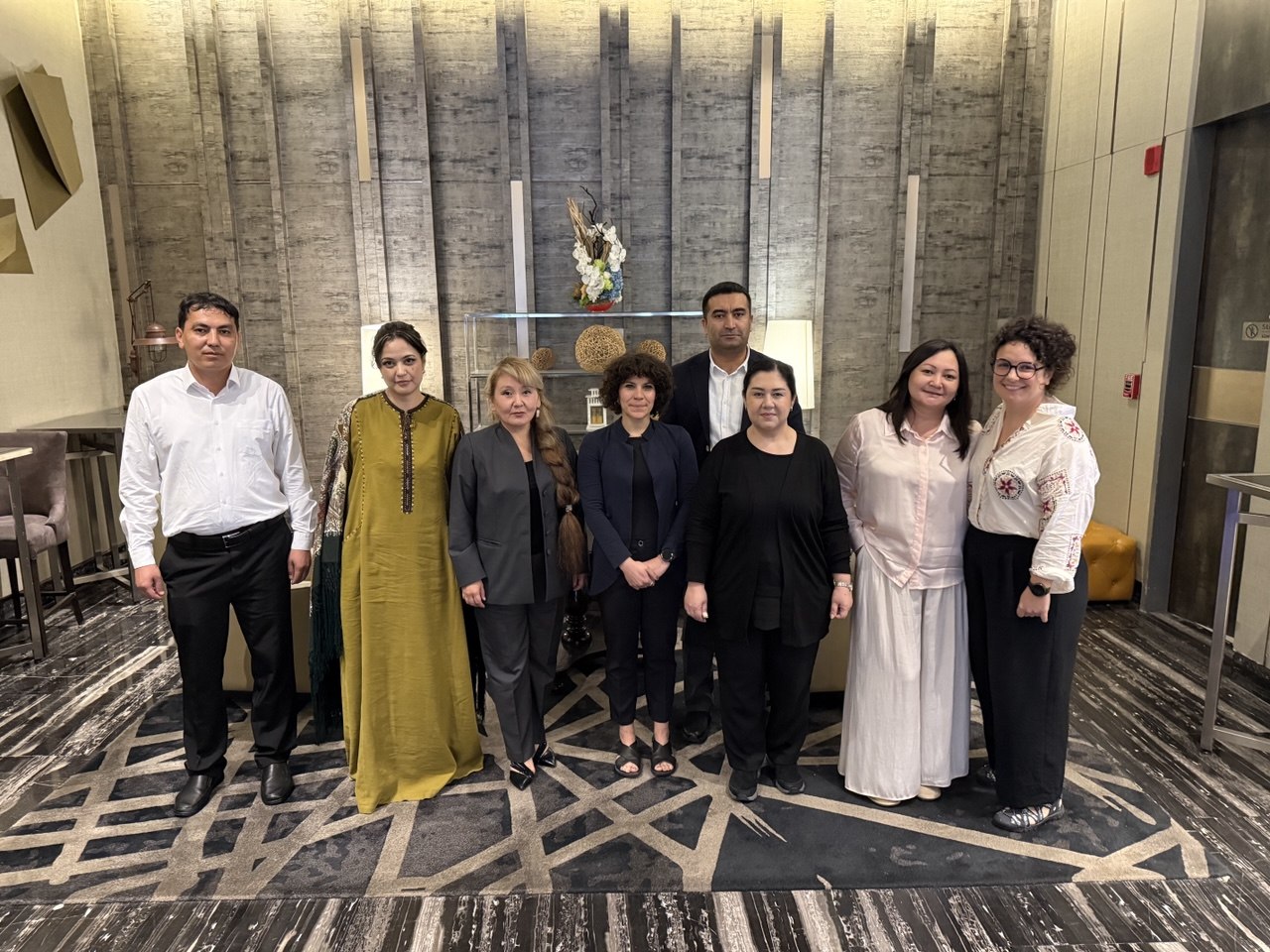

Representatives of national human rights institutions and Ombudsman offices from Malaysia, the Maldives, Mongolia, Samoa, Thailand, Timor-Leste, Turkmenistan, Fiji, the Philippines, Sri Lanka, New Zealand, and Kyrgyzstan also took part in the event.
The discussions focused on key international standards for the prevention of torture and ill-treatment, the importance of taking gender-related factors into account, as well as the United Nations Rules for the Treatment of Women Prisoners and Non-custodial Measures for Women Offenders (the Bangkok Rules) and their practical application.
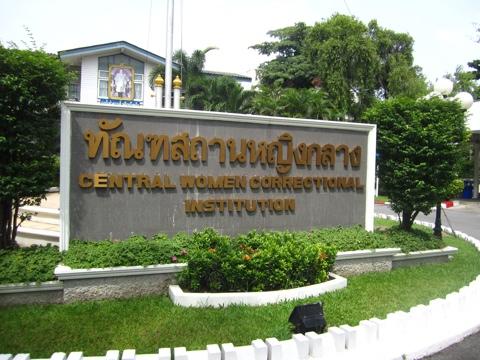
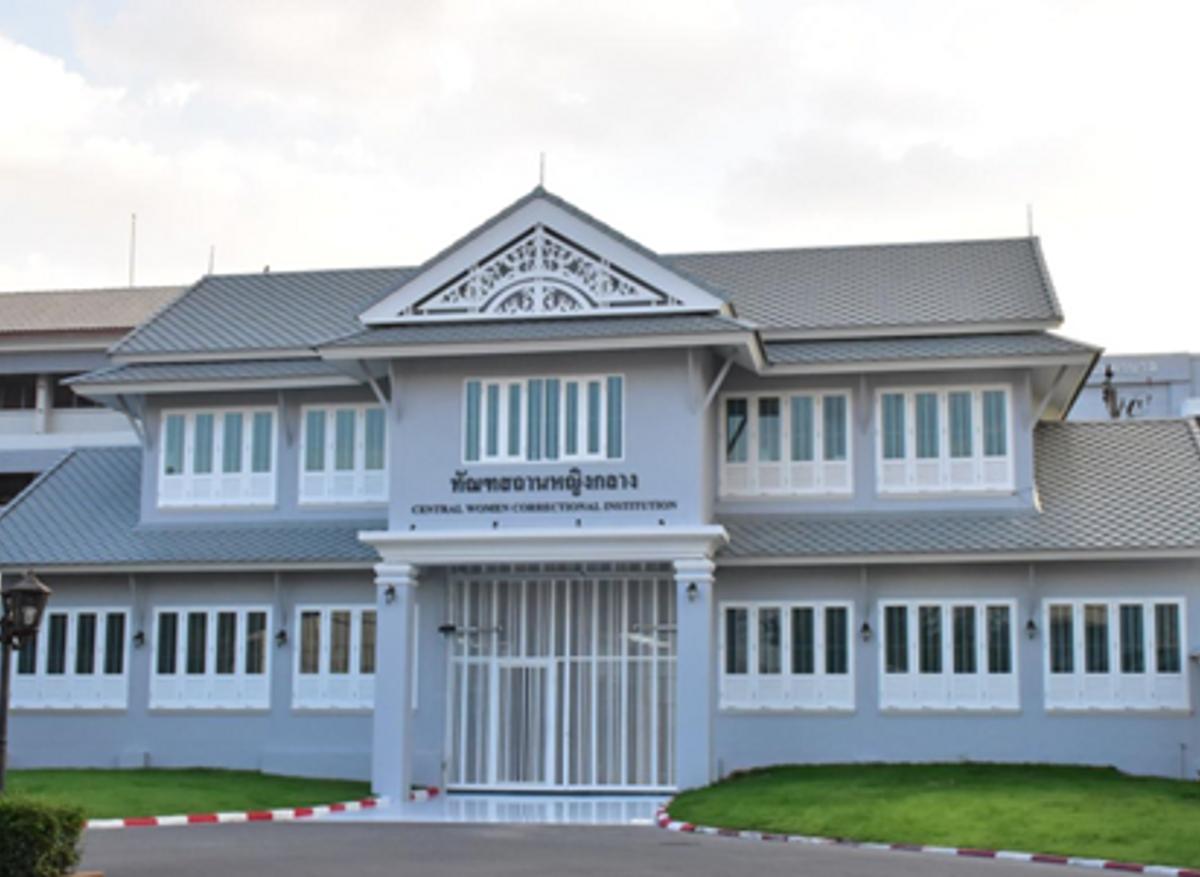
As part of the programme, participants visited Thailand’s Central Women’s Correctional Institution, where they learned about conditions in places of detention and practical approaches to safeguarding human rights. A presentation of the “Restart Academy” programme was also held at the Thailand Institute of Justice. The programme aims to support the social reintegration of individuals released from places of detention.
Particular attention was also paid to taking gender-specific characteristics and different vulnerability factors into account when monitoring places of detention, conducting interviews in a trauma-informed manner, and making effective use of the mandates of national human rights institutions in preventing torture.
The event served as an important platform for exchanging experiences among national human rights institutions, strengthening torture prevention mechanisms, and promoting cooperation to integrate gender and intersectionality approaches into national practice.